Gear
The grinders, machines and brewing kit behind the cup
Grinders
25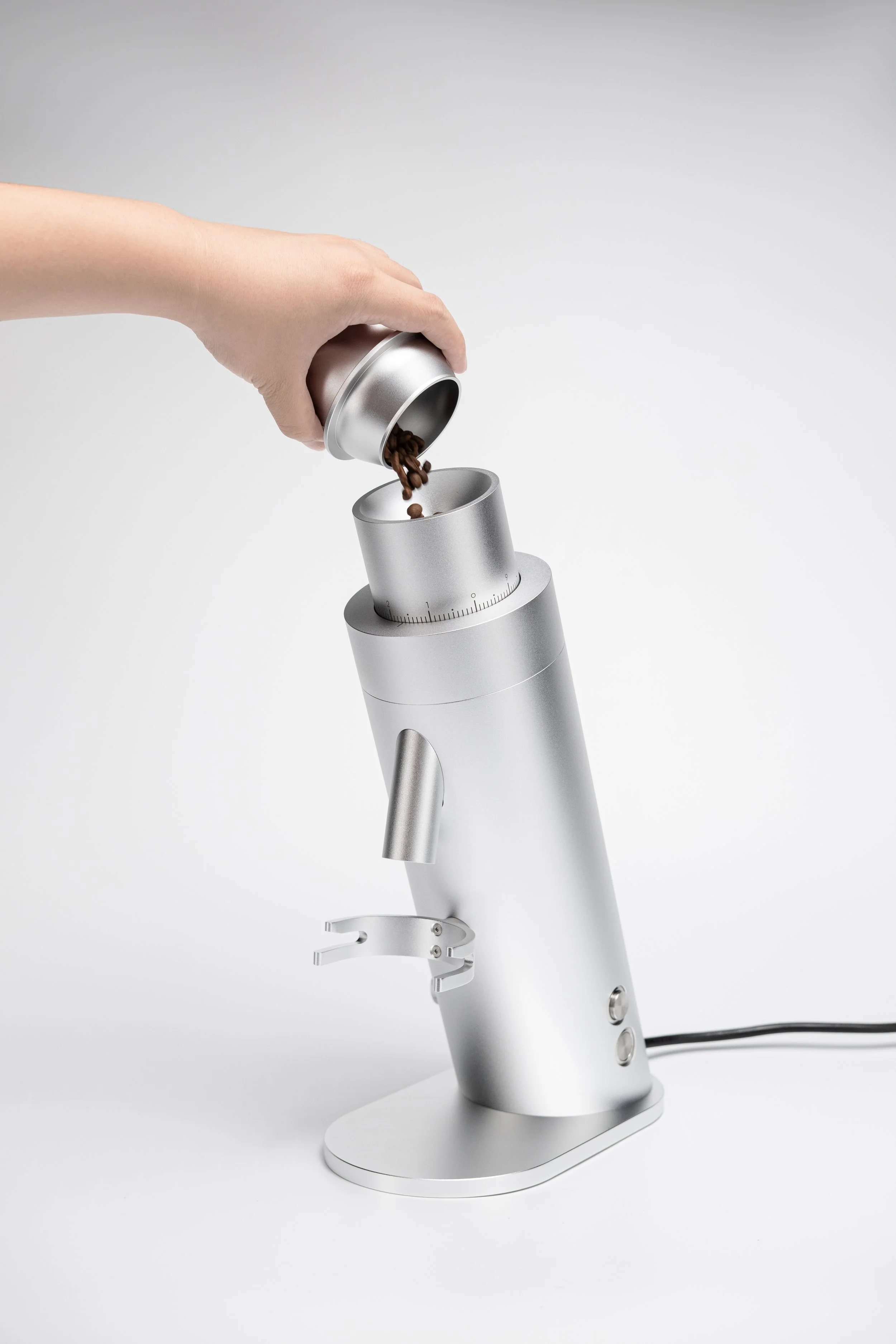
Option-O
Option-O is a Singapore maker whose LAGOM line put single-dosing on the map — near-zero retention, stepless adjustment, and in-house Mizen flat and conical burrs. The range runs from compact desktop units up to large dual-geometry cafe machines, widely rated among the best single-dose grinders made.
1Zpresso
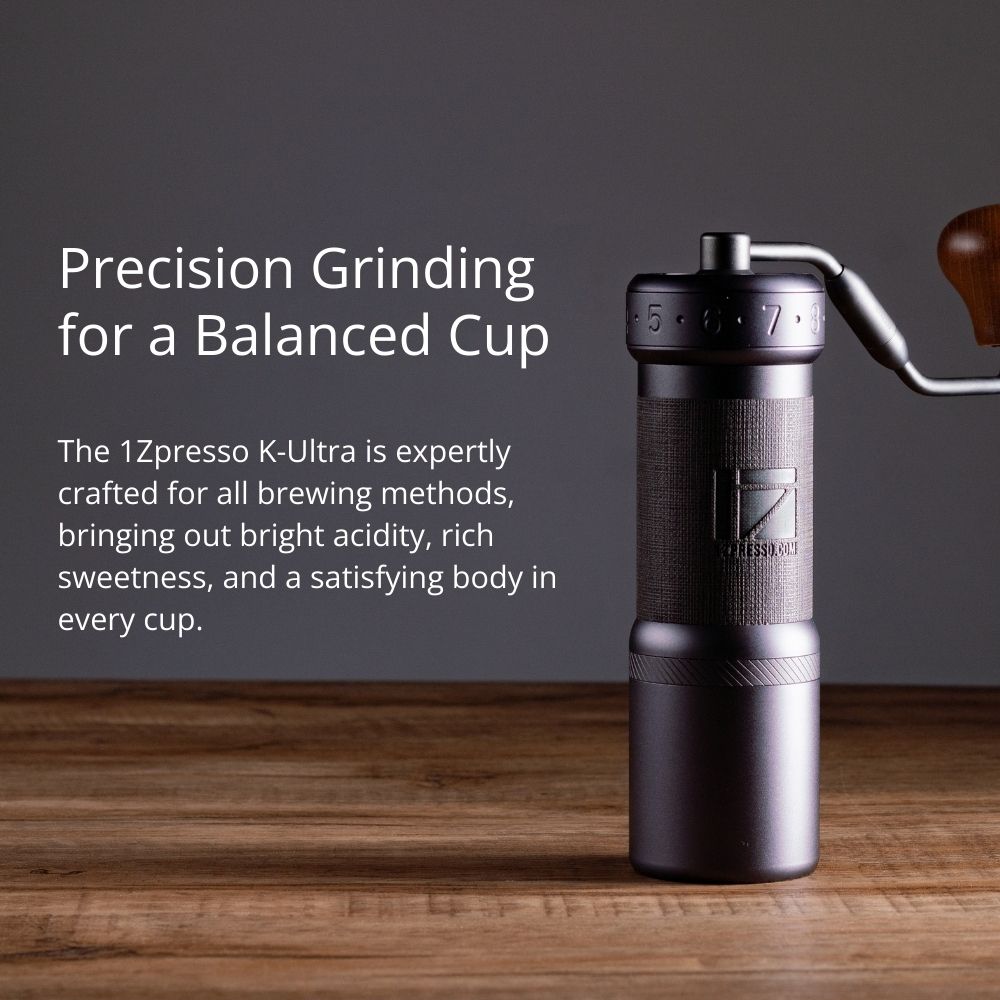
1Zpresso is a Taiwanese company that builds precision hand grinders engineered around calibrated conical burrs and stepped, click-based adjustment systems that dial grind size down to single-digit microns per click. CNC-machined aluminum bodies and dual-bearing axles keep the burrs aligned and wobble-free. The result is electric-grinder consistency in a portable form used by everyone from travelers to World Brewers Cup competitors.
Fiorenzato
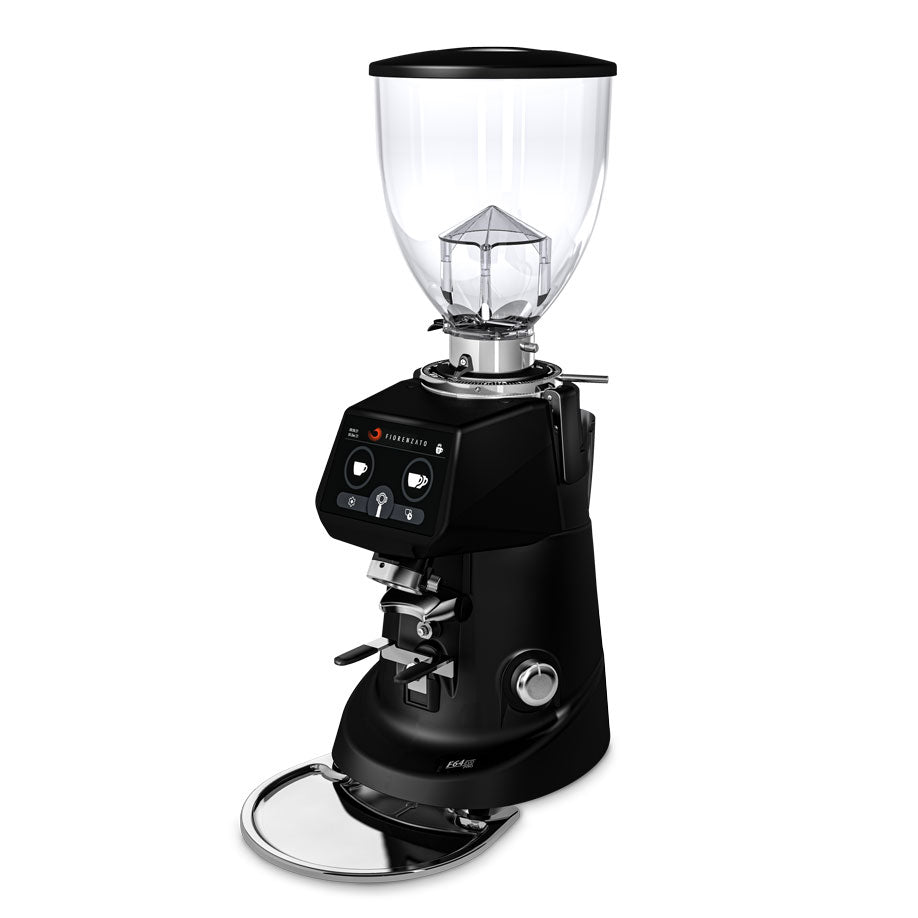
An Italian manufacturer building die-cast espresso grinders around long-life flat burrs and touchscreen dosing. From the F4 Nano home unit to the F64 EVO's temperature-managed grind chamber, Fiorenzato anchors both home bars and cafe counters with Made-in-Italy hardware.
Baratza
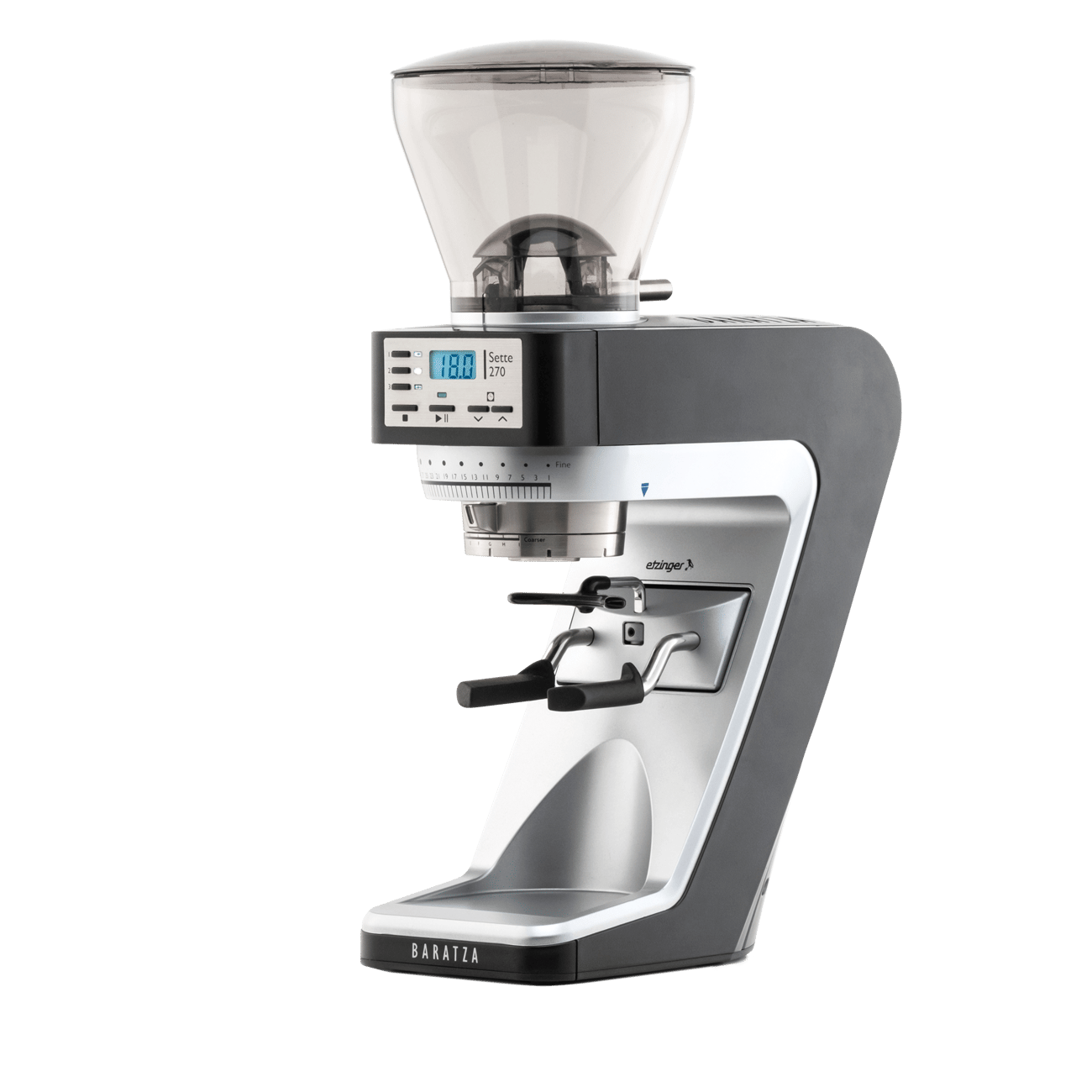
Baratza builds home coffee grinders around repairability and consistent particle size — the piece of gear that decides whether the rest of your setup can perform. From the entry-level Encore to the espresso-focused Sette, its burr grinders are designed to be serviced and rebuilt part by part rather than replaced.
Ceado
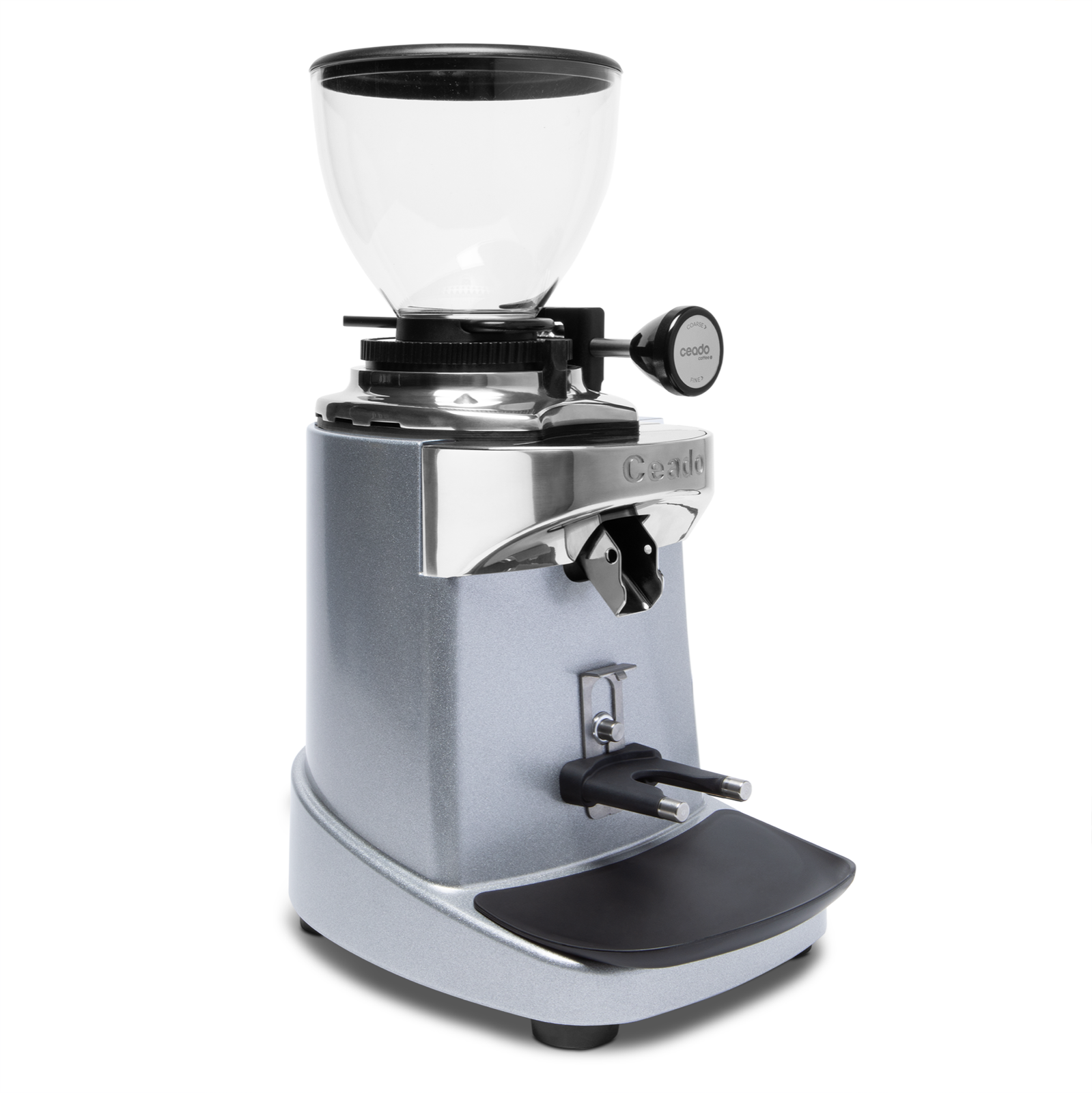
Ceado has been building professional coffee grinders in Venice, Italy since 1949, machining each unit by hand at its mainland facility. The lineup runs from touchscreen café workhorses to zero-retention single-dose grinders, most riding on large flat burrs with stepless micrometric adjustment. Red-Speed and DLC burr coatings and 45-degree grind chambers are recurring signatures across the range.
Comandante
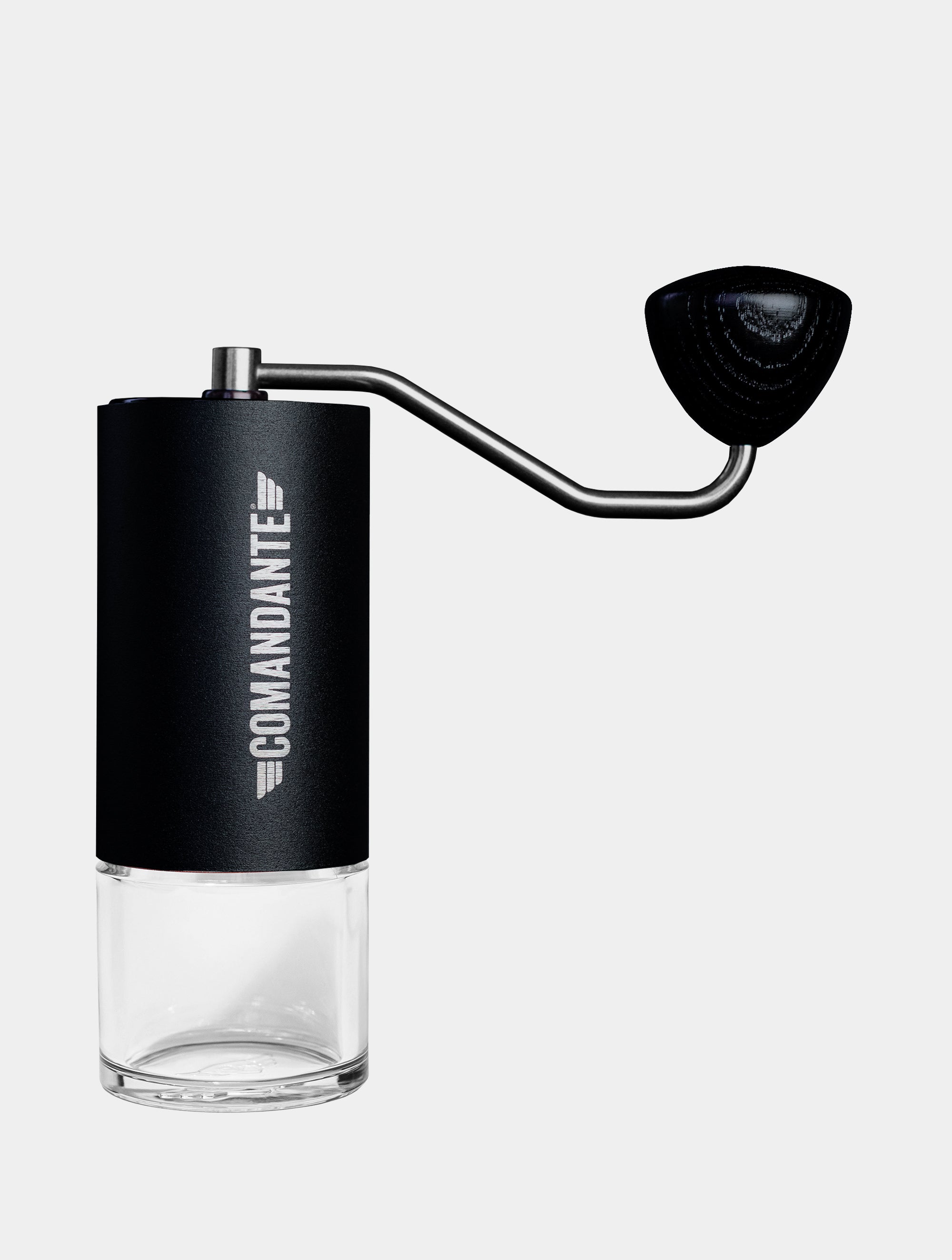
Comandante is a family-run German maker of high-performance manual coffee grinders, engineered and assembled just outside Munich. Its proprietary burrs are cut from high-nitrogen stainless steel for a uniform particle distribution that lets the cup express clarity and sweetness across everything from espresso to French press. Milled stainless bodies on ball-bearing axles make them built to last for decades of daily use.
Compak
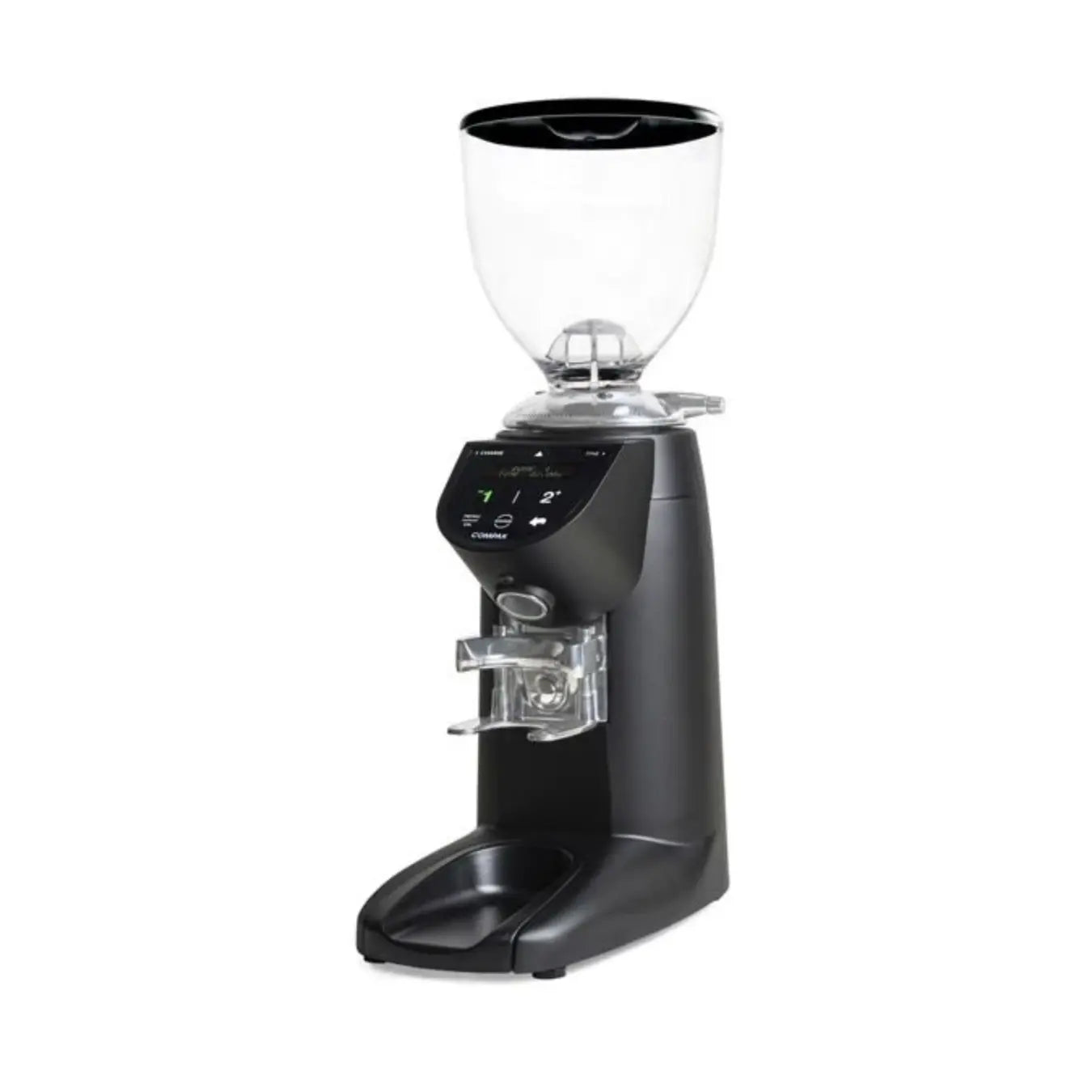
Barcelona-built grinders that have been shaping coffee since 1952. Compak pairs stepless micrometric adjustment with precision-machined flat and conical burrs, from home espresso grinders to single-dose commercial workhorses. Over 500,000 units sold across 80-plus countries.
DF64
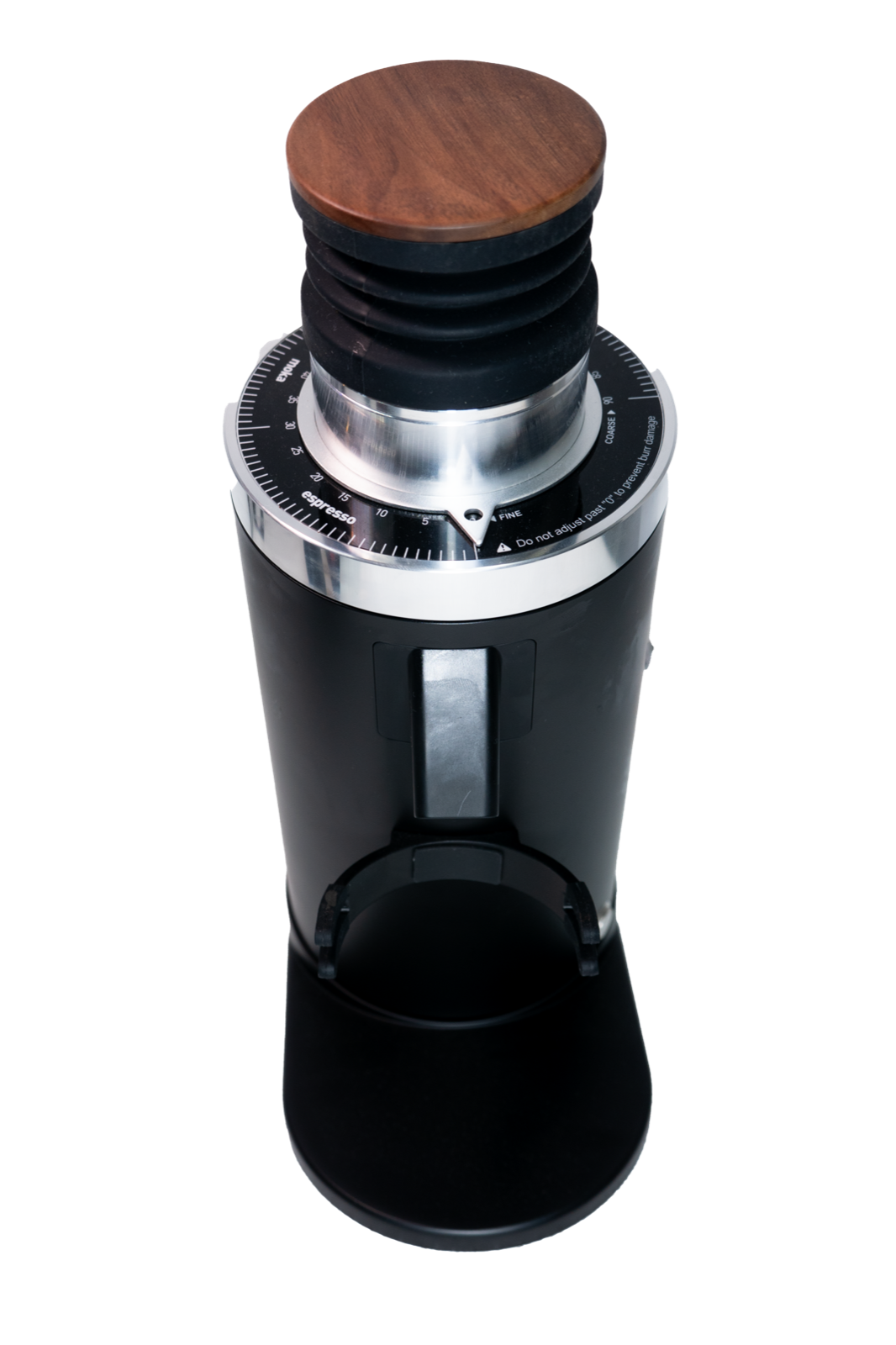
DF64 builds single-dose flat-burr grinders engineered for low retention, so what you brew tastes like the beans you loaded, not yesterday's. Stepless adjustment and plasma anti-static exit chutes deliver clean, consistent grounds across espresso, pour-over, and coarser methods — putting specialty-grade grinding on the home counter.
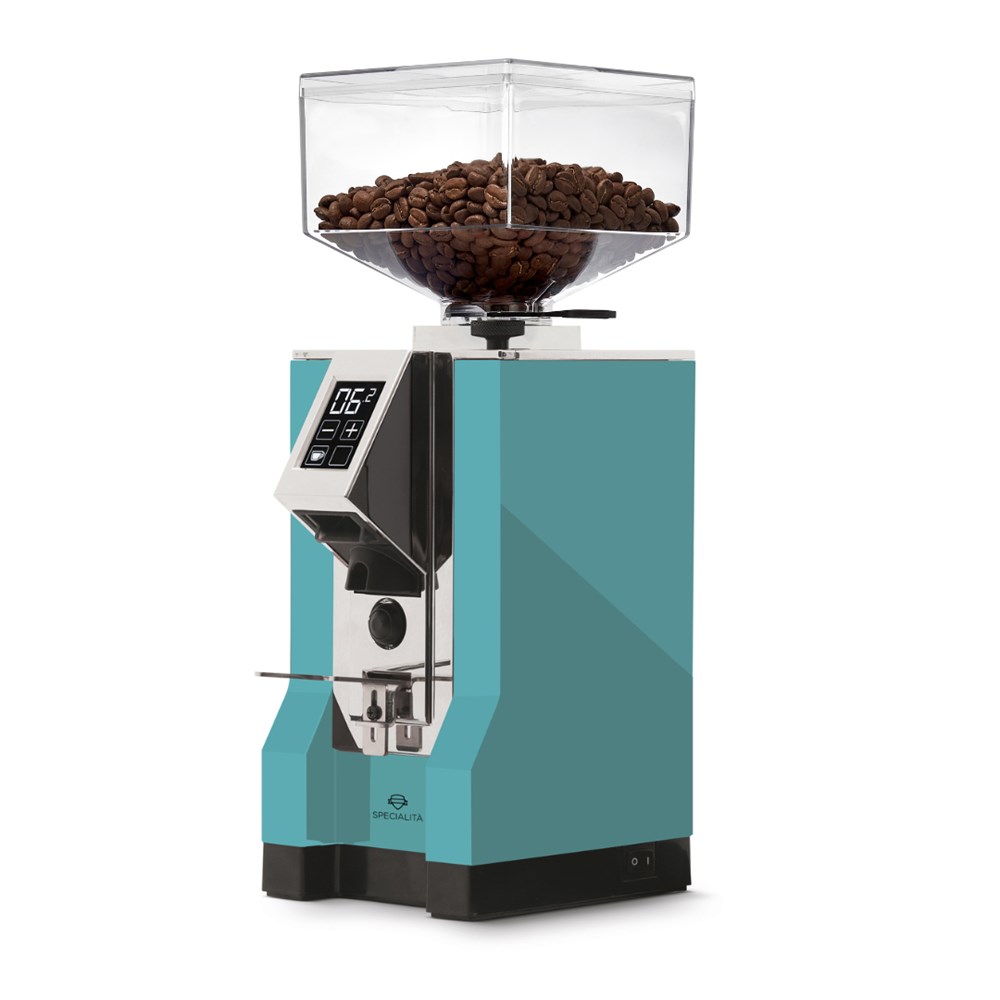
Eureka
Eureka is an Italian grinder maker from Florence, building on-demand espresso grinders known for stepless micrometric adjustment, quiet operation, and low grind retention. Its Mignon line brought café-grade flat-burr grinding to home espresso setups; its Atom and single-dose models push into pro and enthusiast territory.
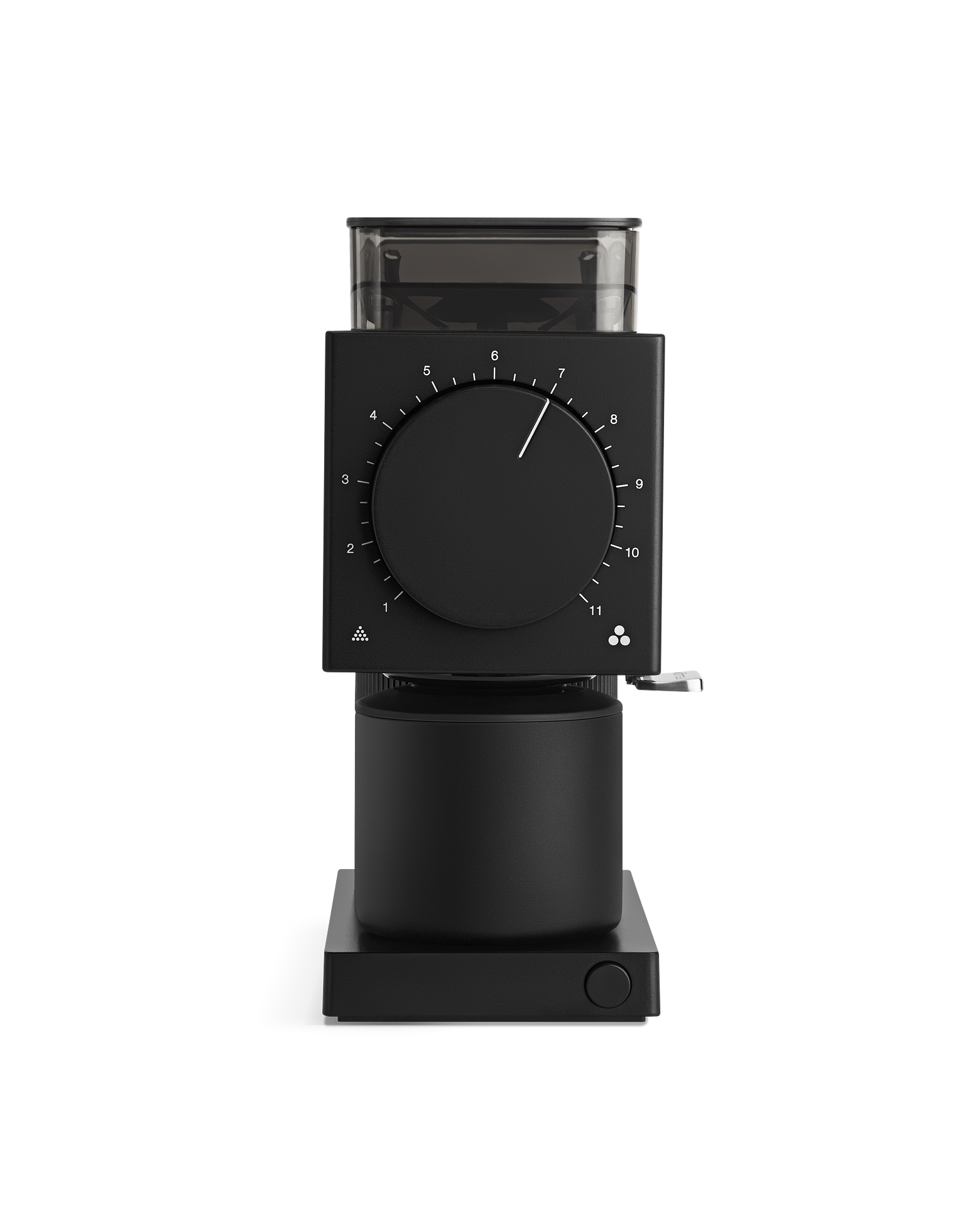
Fellow
Fellow makes design-forward brewing gear — burr grinders, temperature-controlled kettles, and precision scales — that treats the countertop as seriously as the cup. Its Ode and Opus grinders and Stagg EKG kettle turned specialty-coffee precision into objects people actually want to leave out.
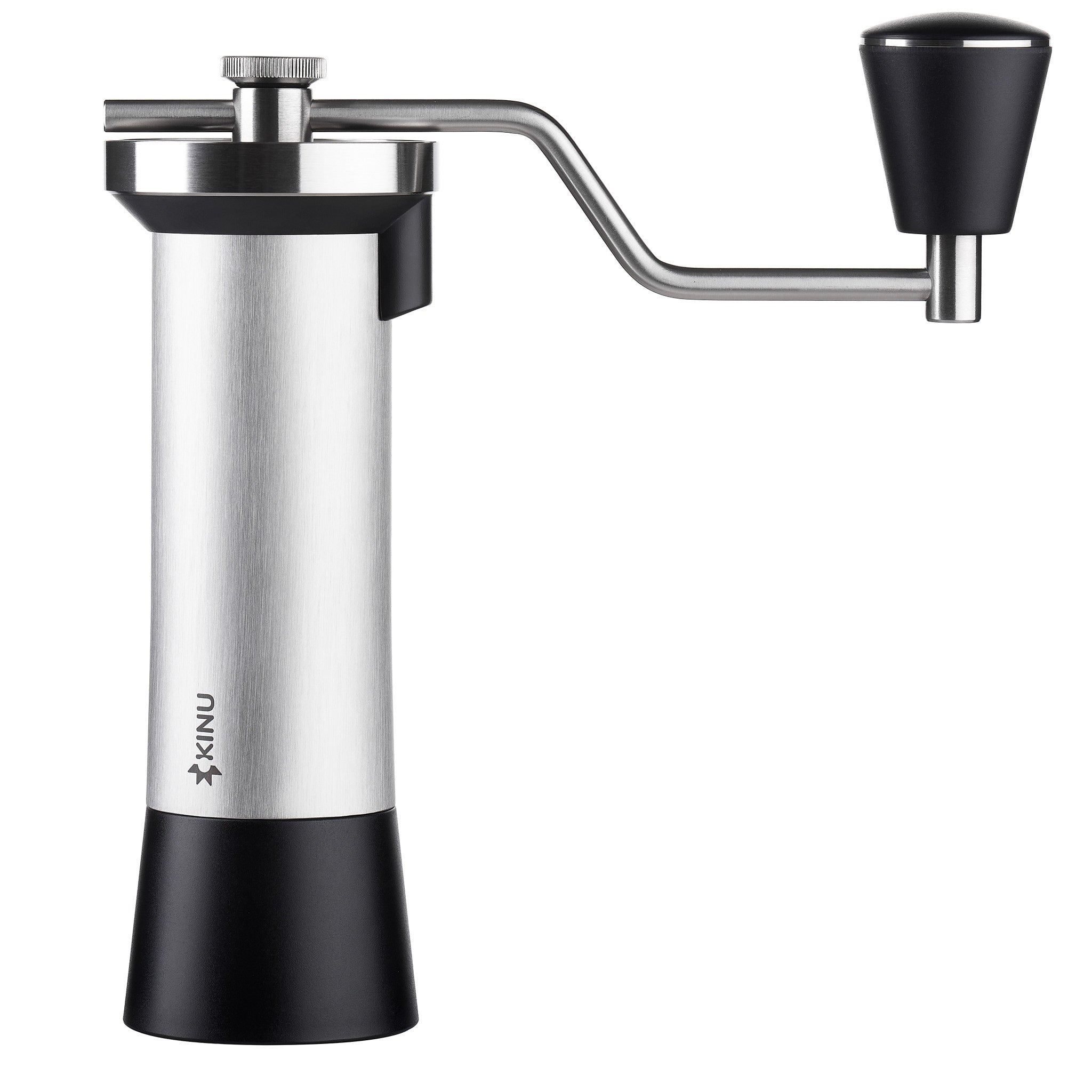
Kinu
Kinu is a German maker of precision hand-cranked coffee grinders built around 47mm professional-grade conical burrs, auto-centered and running on ball bearings for fast, consistent grinding. It's known for a stepless adjustment system that dials in grind size in increments as fine as a few microns, and for over-engineered all-metal builds backed by a 5-year warranty. Its grinders span espresso to filter, prized for repeatable extraction across the whole range.
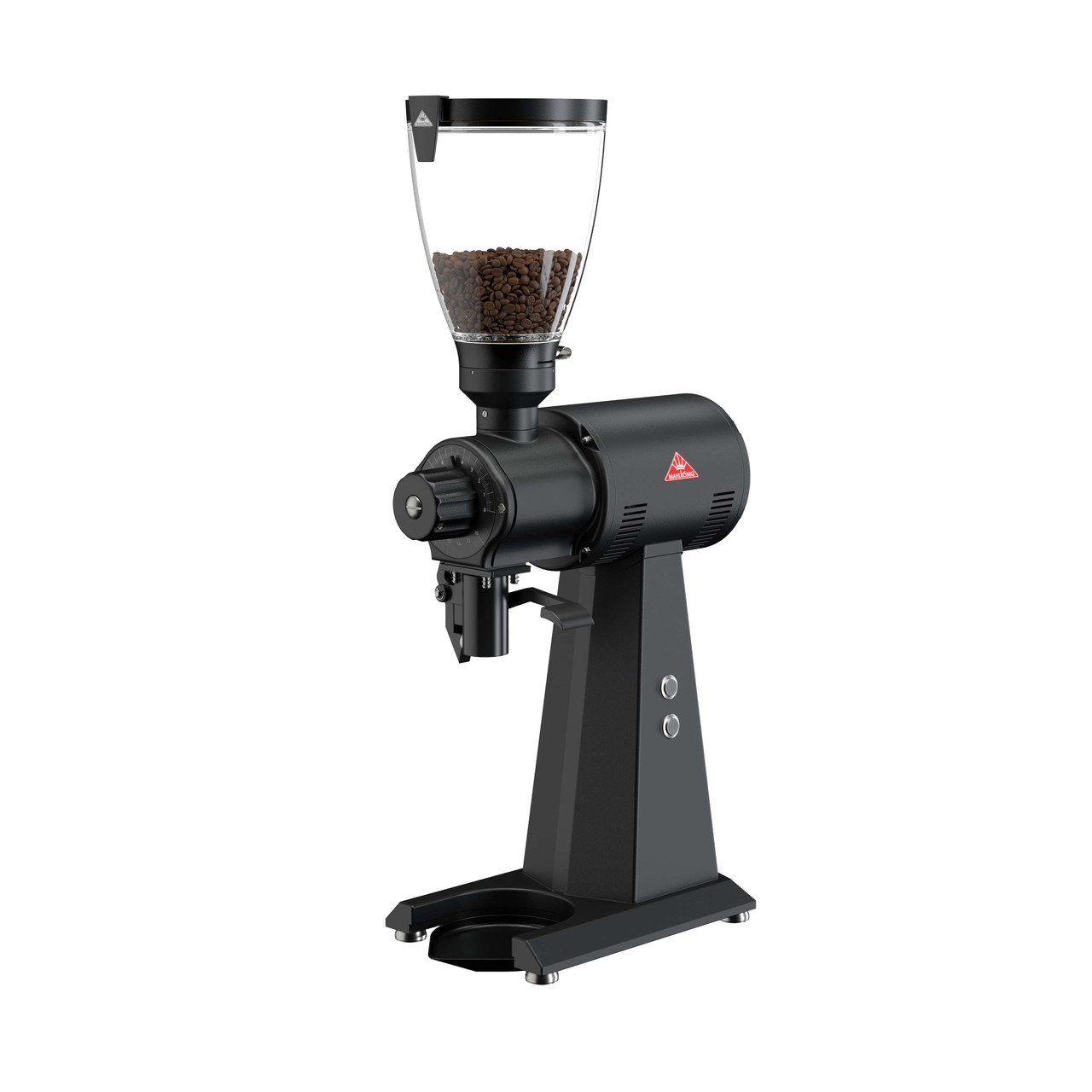
Mahlkönig
German-engineered burr grinders that put a number on extraction. From the cult-favorite EK43 to gravimetric grind-by-weight espresso grinders, Mahlkönig builds the flat-burr machines that define specialty-coffee consistency in cafes and homes alike.
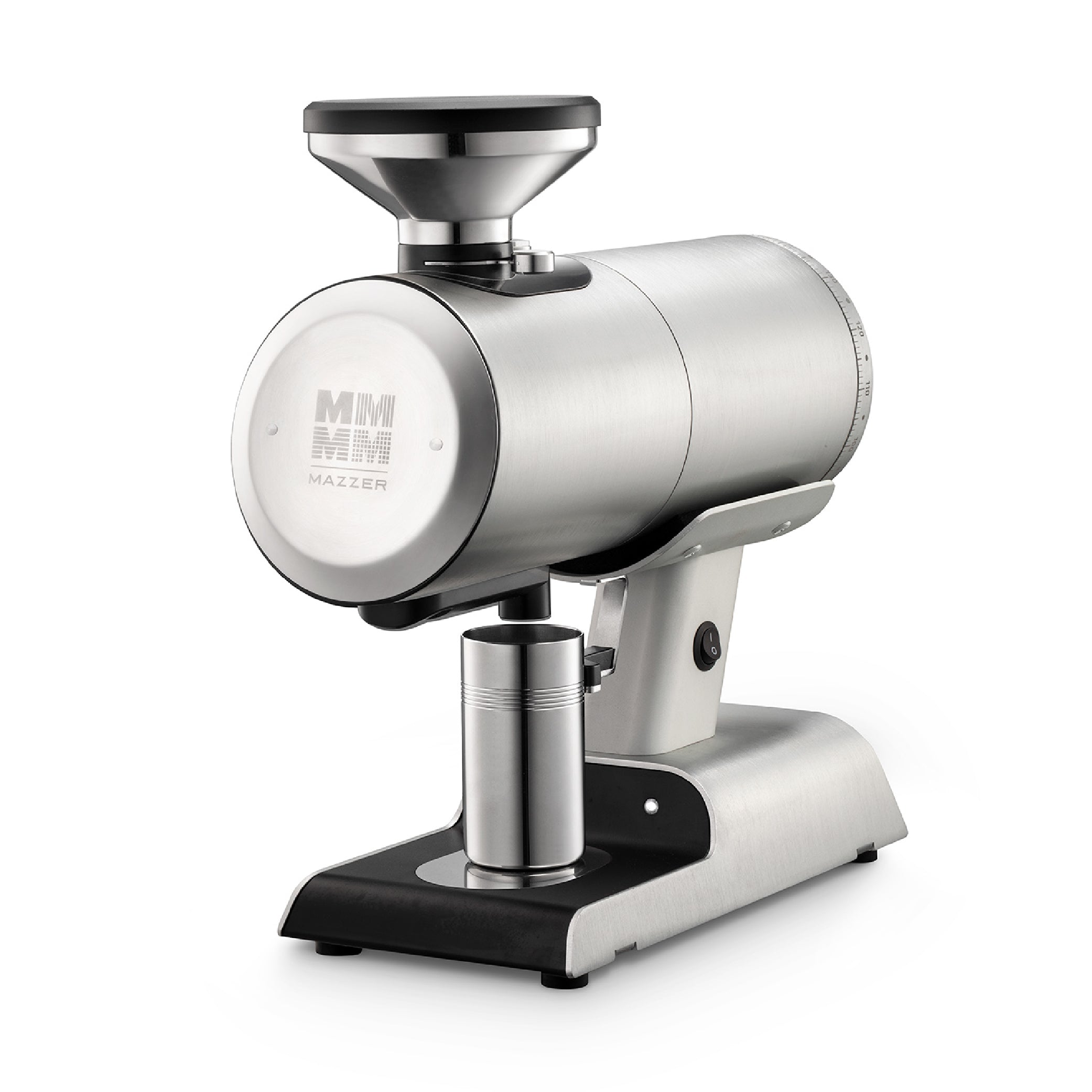
Mazzer
A family-run Venetian workshop grinding since 1948, Mazzer builds die-cast, stepless grinders that anchor cafe counters and serious home setups alike. From the flat-burr Mini to the micron-precise, digitally adjustable ZM, the range trades hype for durability and repeatable extraction.
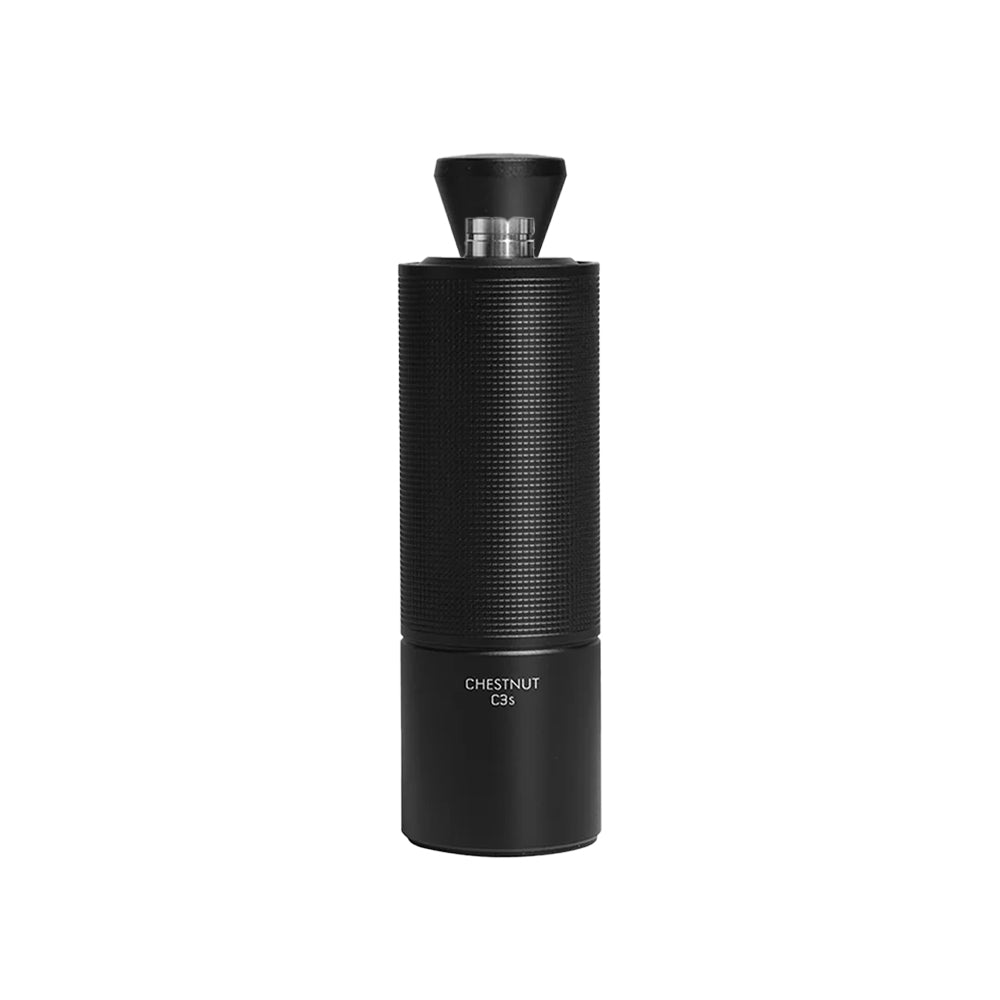
Timemore
Timemore is a Chinese design house that builds precision coffee grinders around its patented S2C stainless-steel conical and flat burrs. From pocketable hand grinders with dual-bearing spindles to the Sculptor line of stepless electric grinders, every model is engineered to put a repeatable number on grind size — carrying uniform particle distribution from espresso to French press.
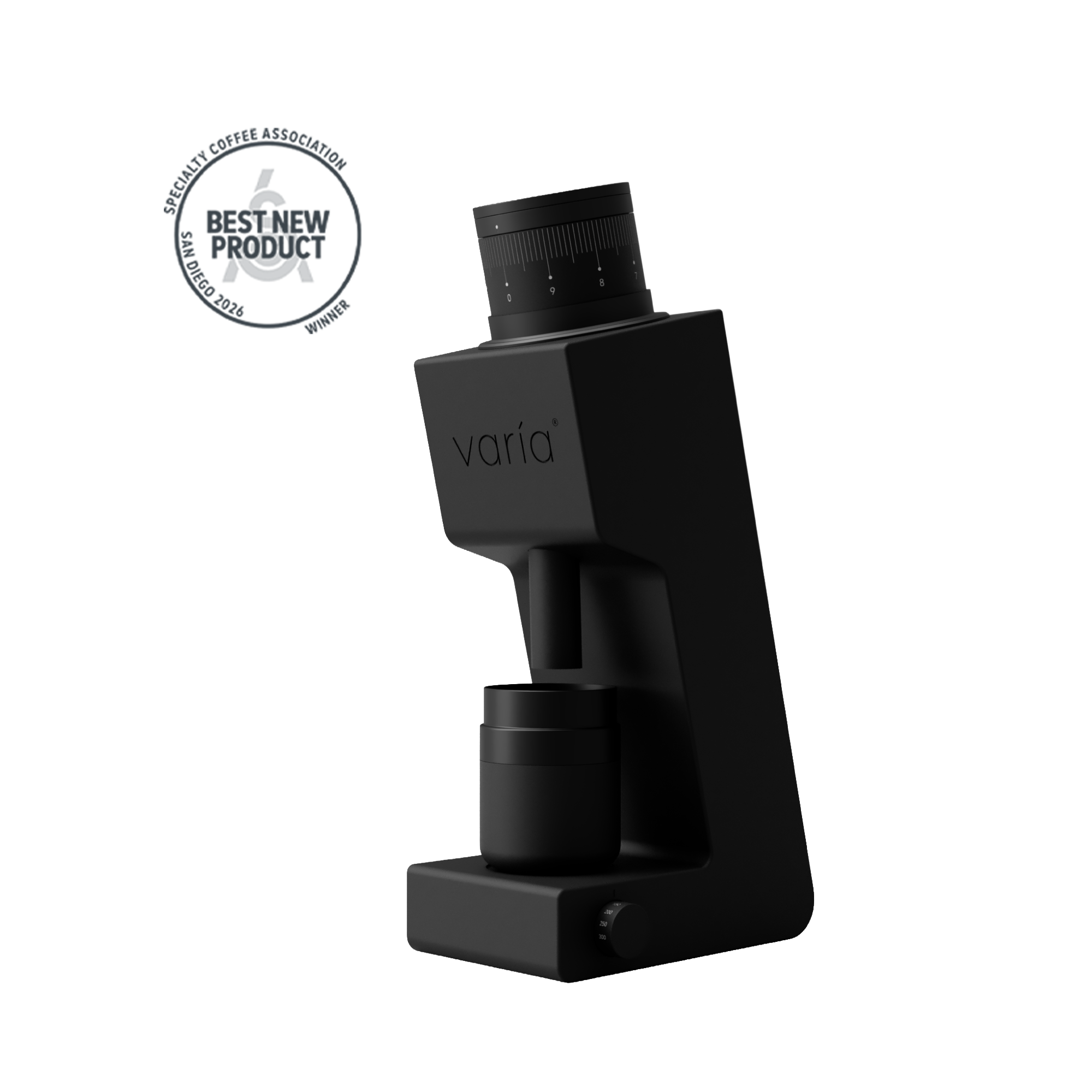
Varia
Varia builds precision single-dose burr grinders that pack pro features — stepless micron-level adjustment, low-retention chambers, and full-metal construction — into compact, design-forward home units. The lineup runs from affordable hybrid hand grinders to variable-RPM flat-burr machines.
Kafatek
Seattle-built Monolith grinders — single-dose, machined in small batches to endgame tolerances. Sold direct, by pre-order.
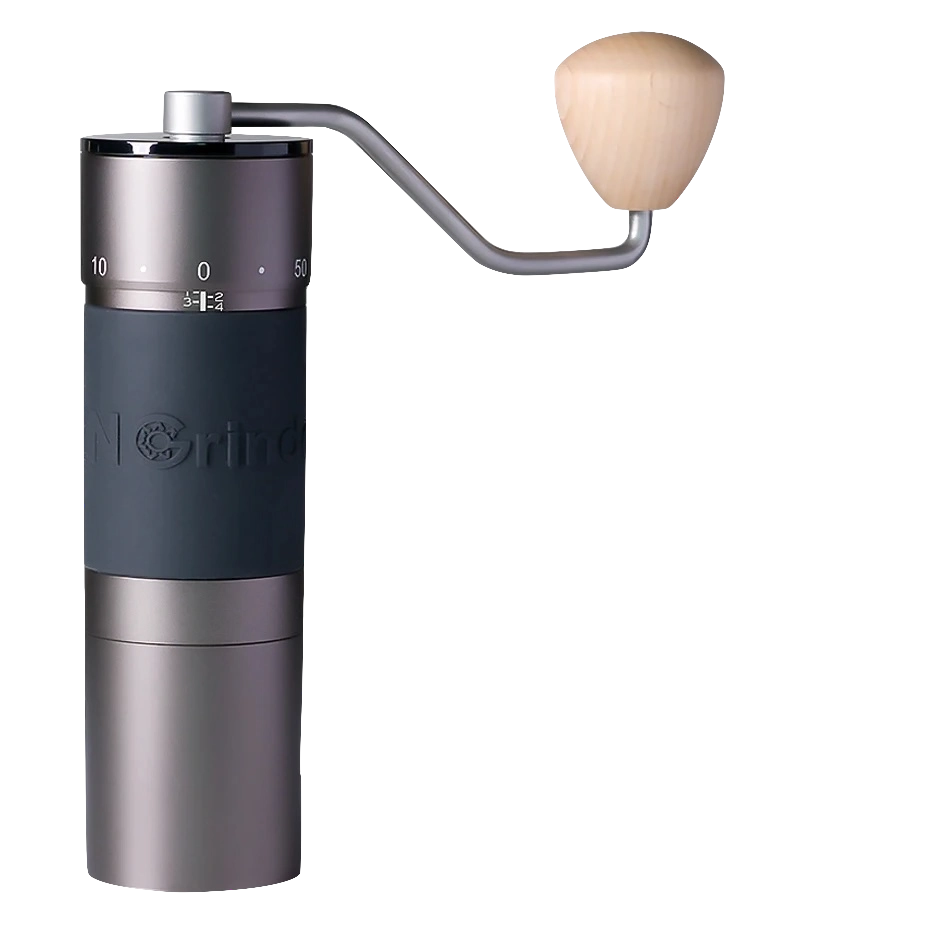
Kingrinder
Kingrinder builds budget manual hand grinders that punch above their price, pairing 48mm conical burrs with fine micron-stepped adjustment to dial in everything from espresso to pour-over. The brand made big-burr, low-retention grinding accessible without the premium markup of the German and Taiwanese flagships.
Mythos
Victoria Arduino's café grinder — temperature-managed burrs tuned for dose-to-dose consistency at volume.
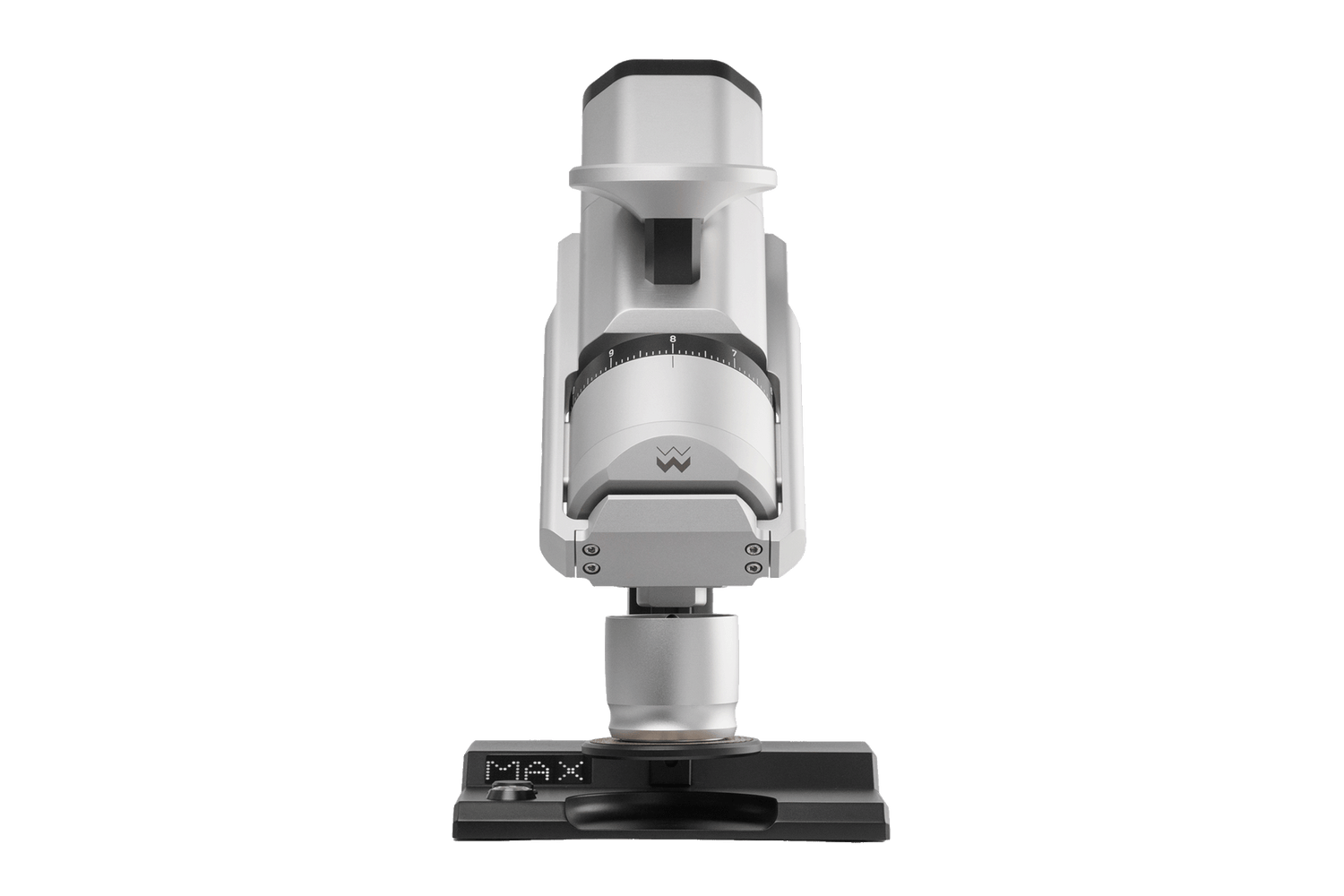
Weber Workshops
Weber Workshops makes high-end precision grinders for serious baristas and cafes, built on large flat and conical Mazzer burr sets and micron-precise stepped adjustment. Industrial-design-forward machines that treat grind setting as an exact, repeatable number.
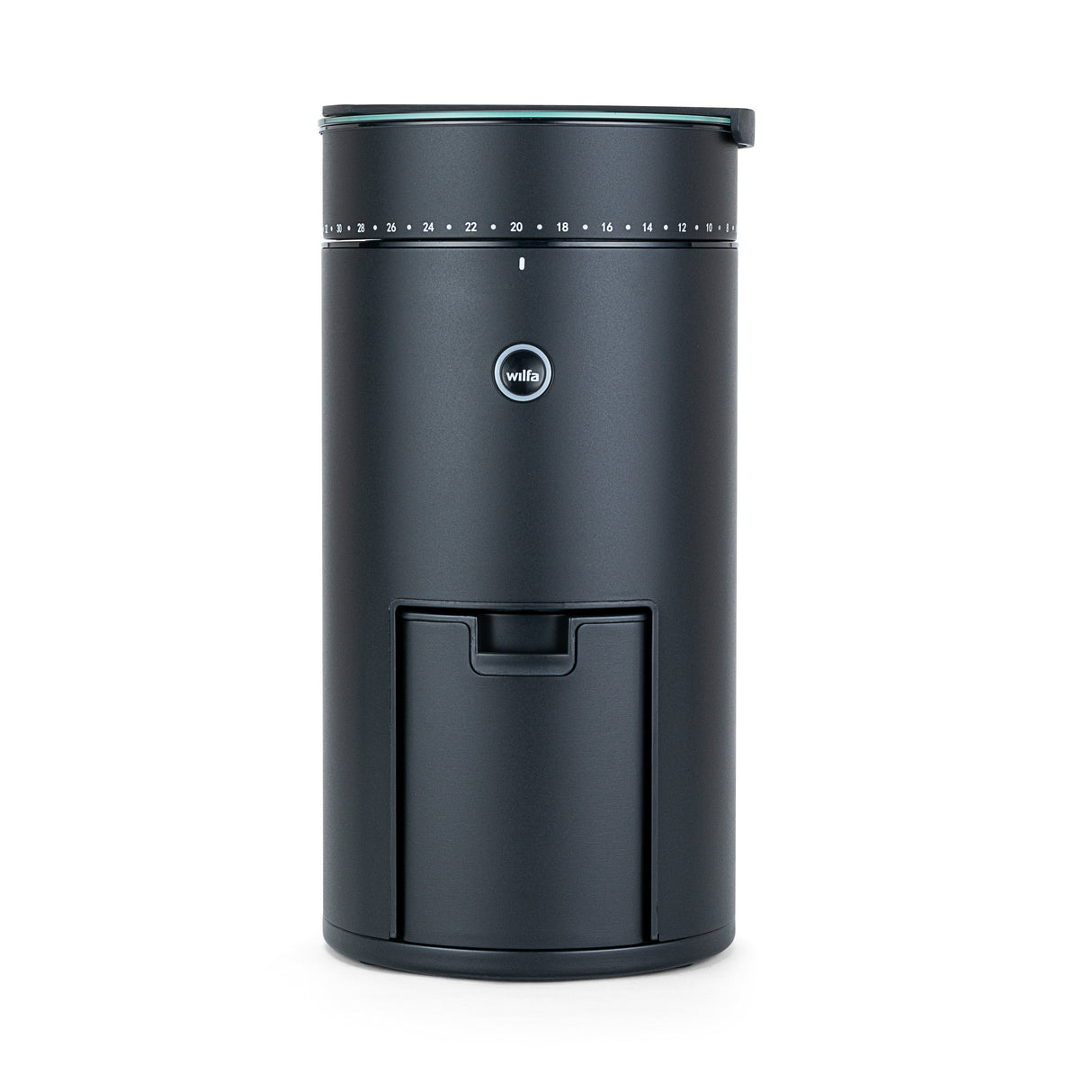
Wilfa
A Norwegian appliance house co-designing its coffee line with Tim Wendelboe, Wilfa builds quiet, slow-turning flat-burr grinders tuned for clean filter extraction. The Uniform range grinds into a container that doubles as a 0.1g Bluetooth scale, so dose and grind live in one instrument.
Made By Knock
Hand grinders machined in Edinburgh — the Aergrind and Feld built a cult following for clarity in the cup.
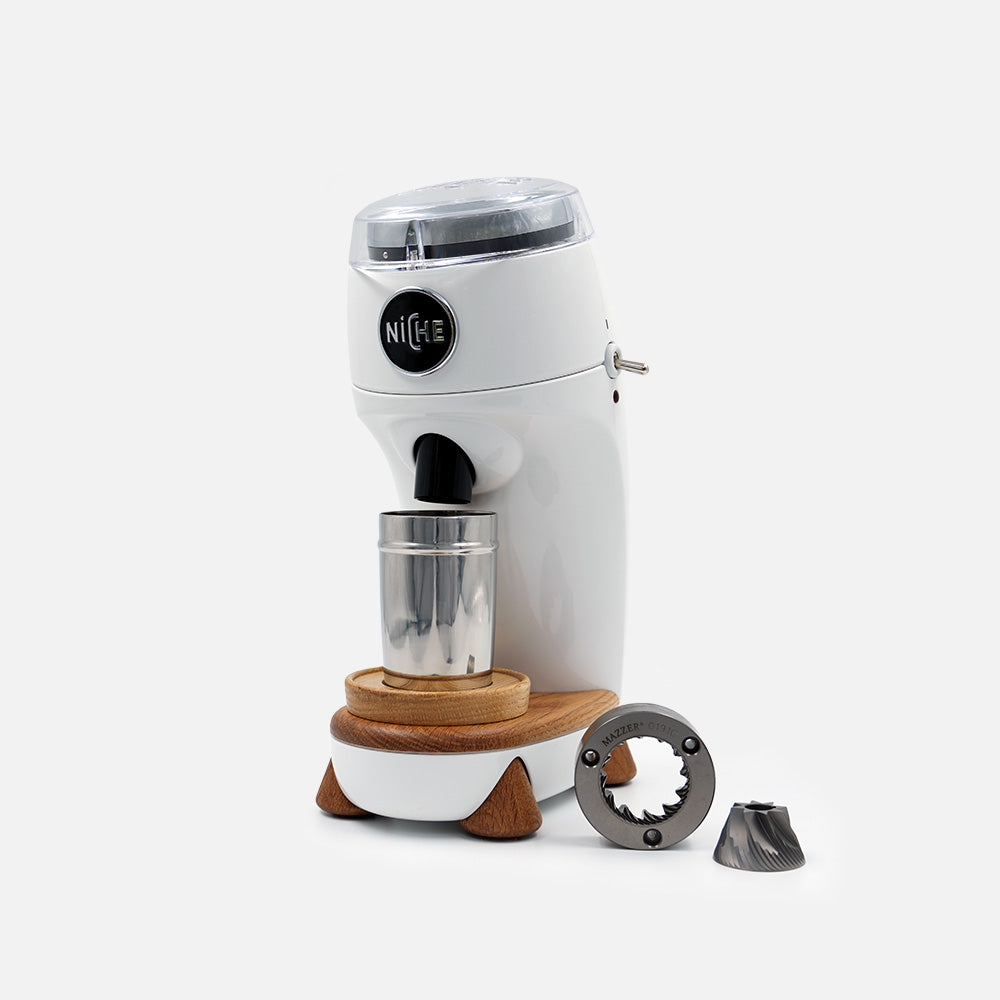
Niche
Niche builds compact single-dose grinders around a near-zero-retention design, so you grind exactly what you dose with nothing left trapped inside. A stepless dial gives infinite adjustment from espresso to filter, wrapped in a small footprint with real oak accents.
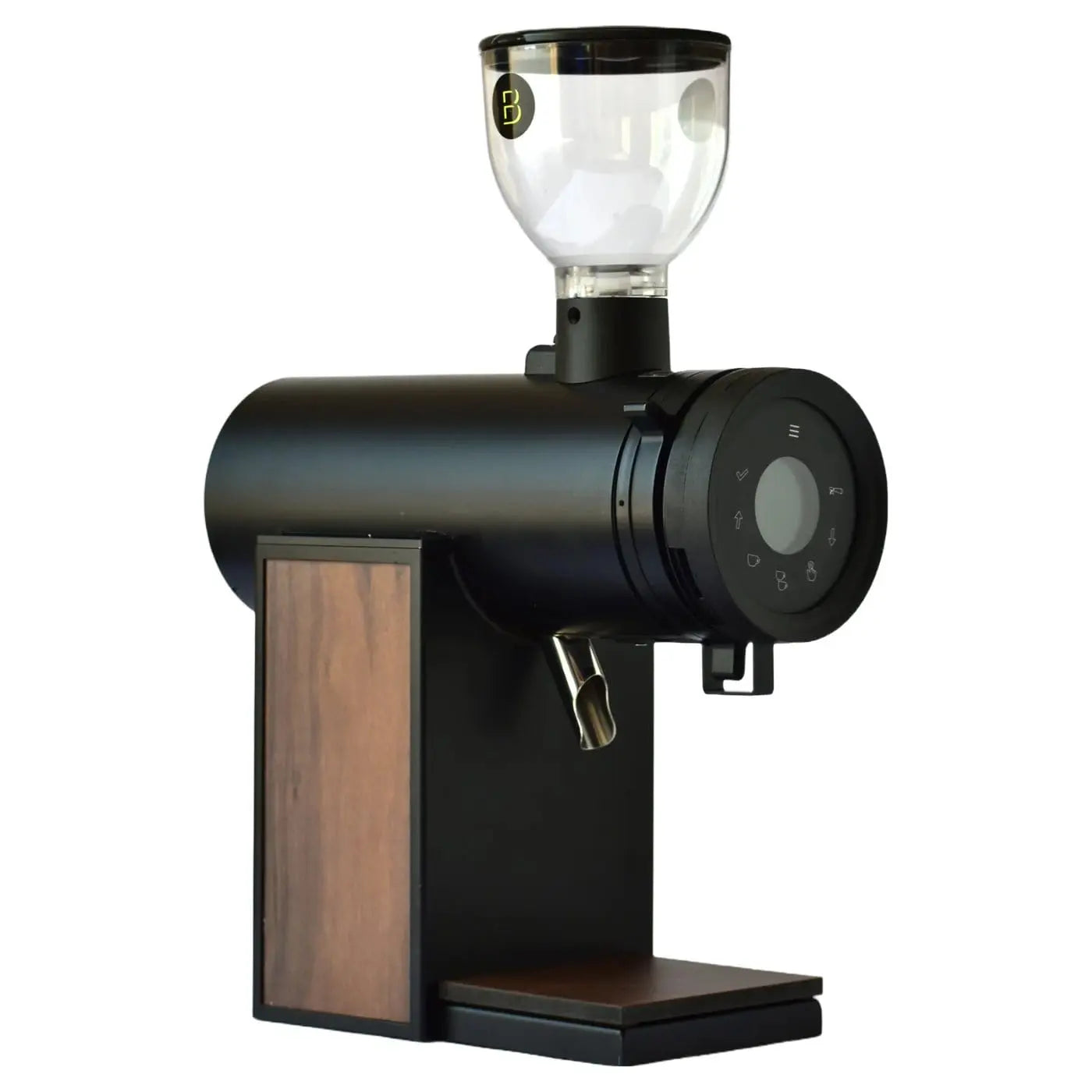
Bentwood
A Swiss maker of one ultra-premium instrument, the Vertical 63, built around vertically mounted 63mm flat burrs of custom geometry to drive retention toward zero. A 660W motor, double-ventilation cooling, and stepless adjustment carry it from espresso to cold brew with near-silent operation.
Anfim
Italian maker of espresso grinders — the SP-II and cafe-grade doser lines.
Ditting
Swiss precision grinders since 1928; the heritage behind many roastery grinders.
Espresso machines
38
RUNNNN
Hand-pumped pneumatic espresso, built to pack. The UPHOT and UPTANK makers, the UPVOID grinder, and the pumps and tampers that go with them.
Flair Espresso
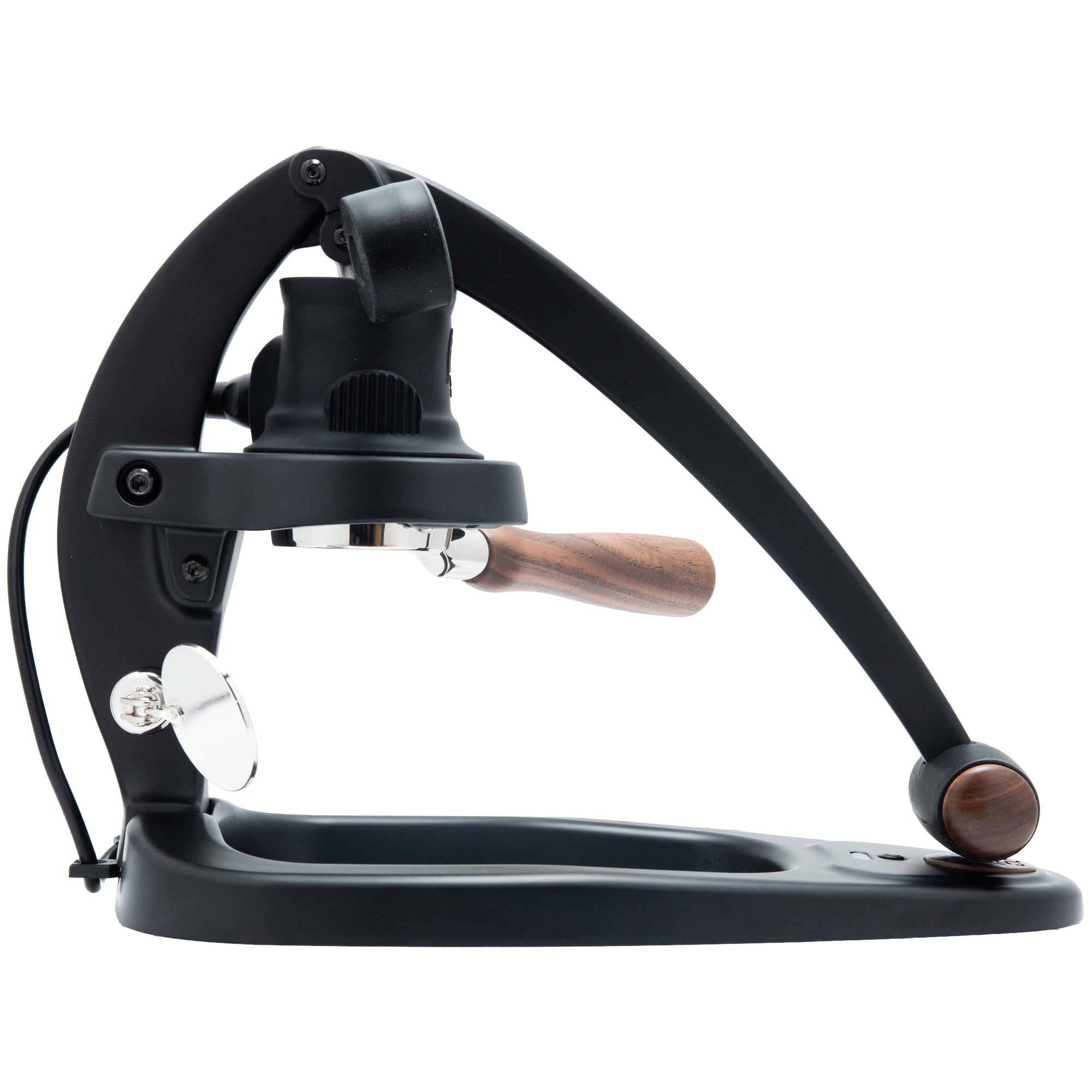
Flair Espresso builds all-manual lever presses that pull a shot by hand — no pump, no boiler, no electronics in the brew path. You preheat the group, load the portafilter, and drive the piston yourself while an integrated gauge reads pressure in real time, so extraction is felt and dialed rather than automated.
Bezzera
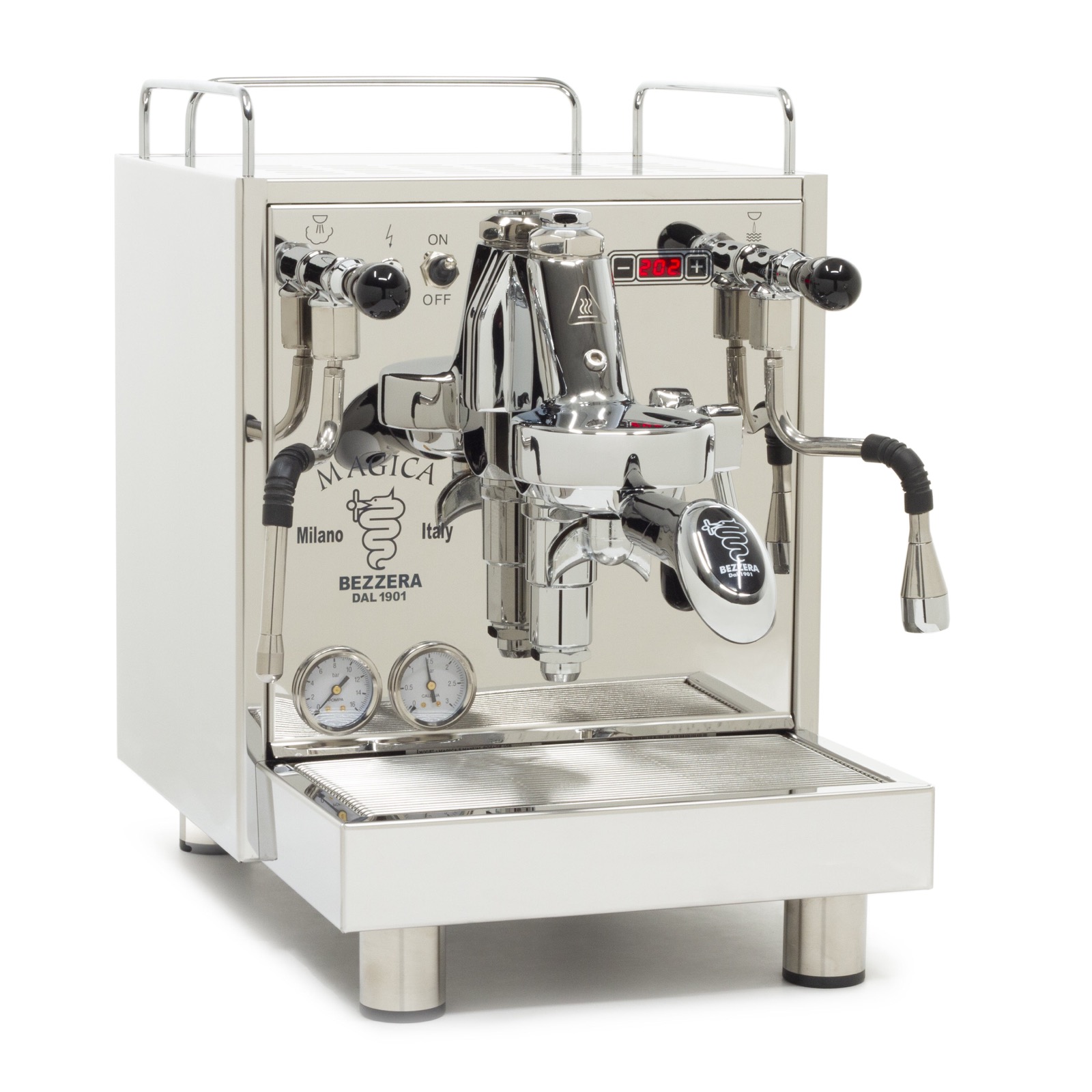
The Milanese house where espresso itself began: in 1901 Luigi Bezzera patented the first espresso coffee machine, giving Italy a new way to drink coffee. Still a fully Italian manufacturer, Bezzera has built professional and semi-professional machines for over a century, now from its facility outside Milan.
Breville
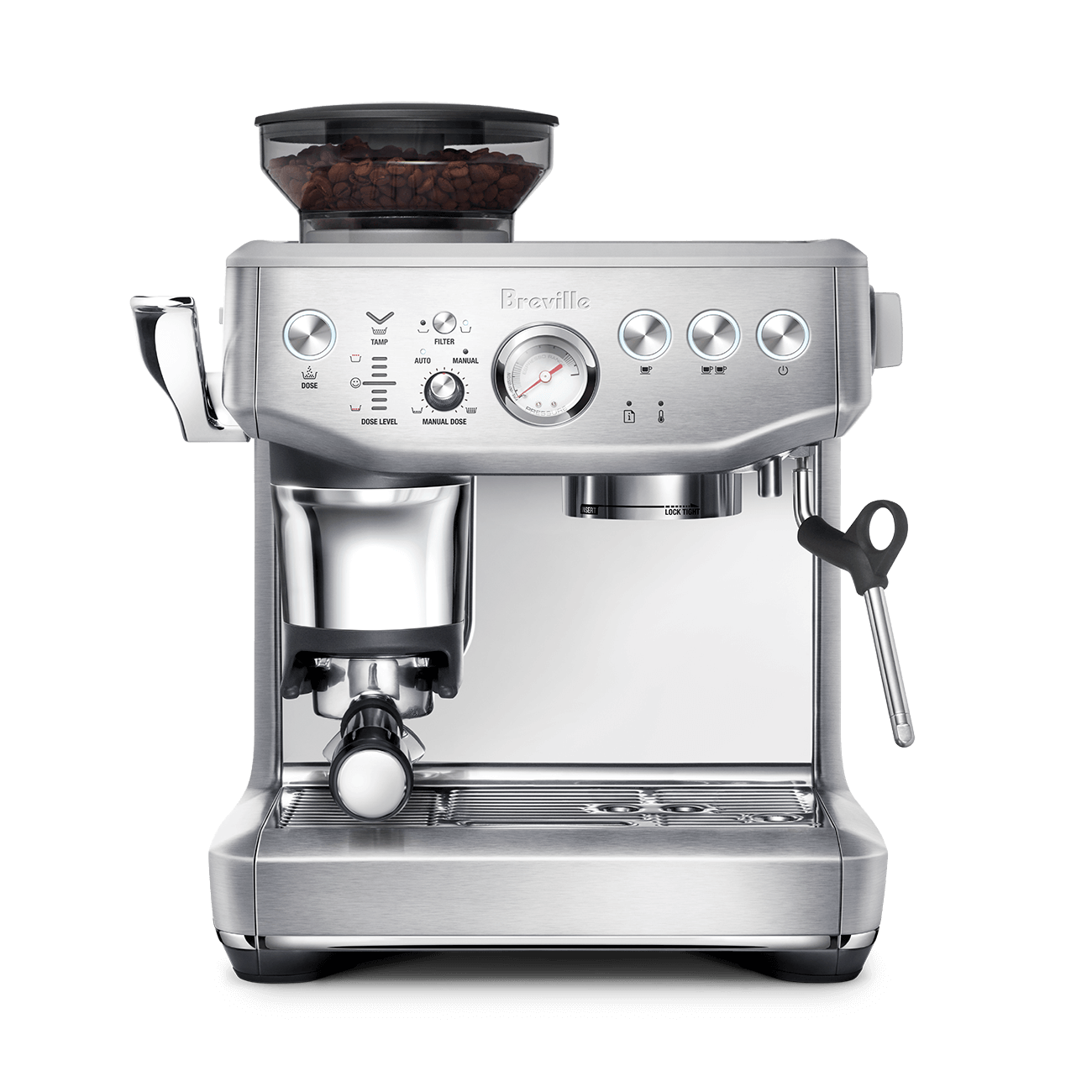
Breville engineers approachable espresso machines that automate the fussy parts — dosing, tamping, and milk texturing — with systems like the Impress Puck and ThermoJet heating. From the pocket-sized Bambino to the touchscreen Oracle line, every model aims to put third-wave cafe results within reach at home.
Decent Espresso
Pressure-and-flow-profiling machines with a touchscreen and open data — the DE1 line.
La Marzocco
Florence, 1927. The machines behind the modern café — handmade, dual-boiler, and built to outlive trends. The home line brings the same group to your counter.
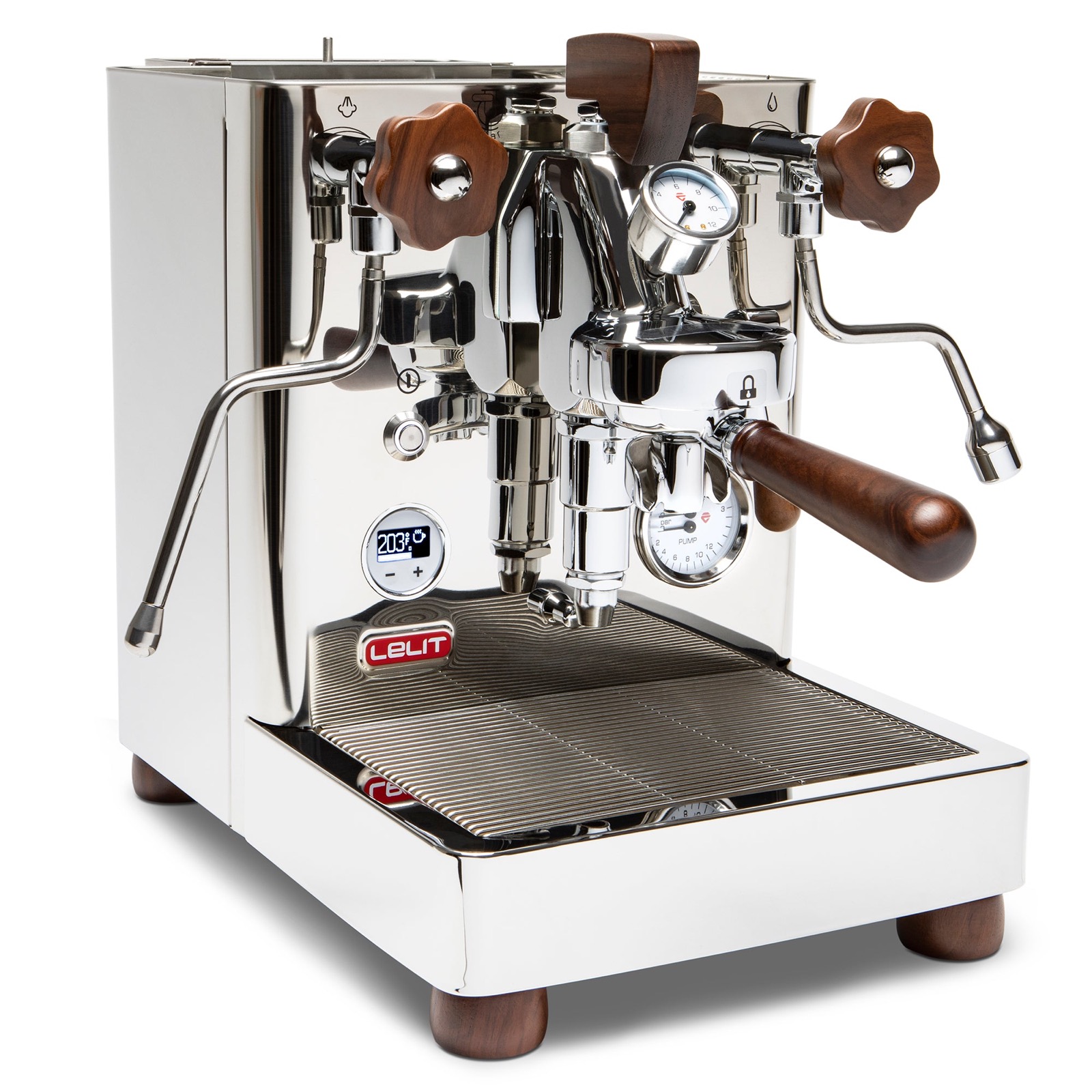
Lelit
Lelit is an Italian manufacturer founded in 1986 near Brescia that became a prosumer benchmark with the arrival of the Bianca in 2017. Every machine is designed and assembled at its northern-Italian factory. Since 2022 Lelit has been part of the Breville Group while continuing to manufacture in Italy.
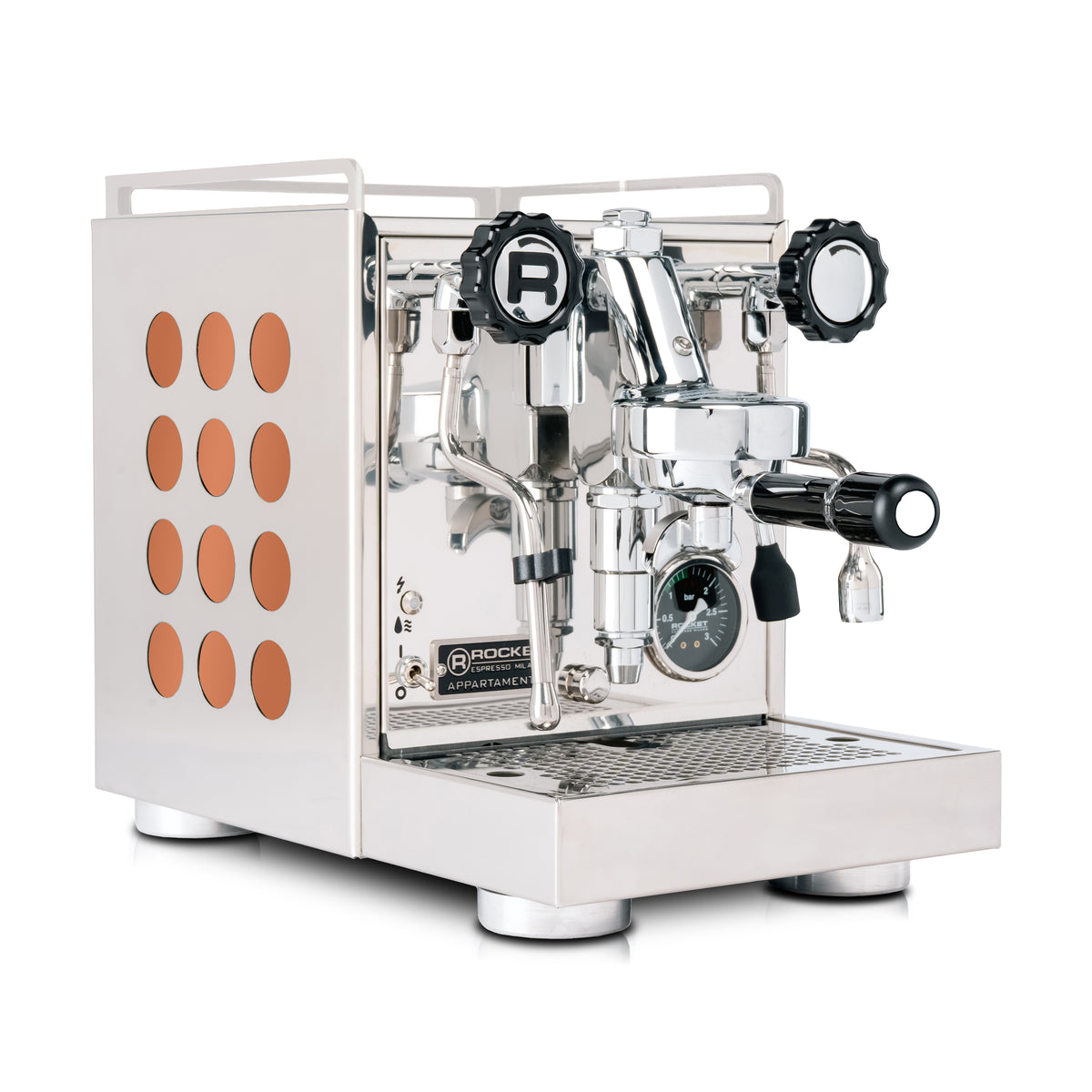
Rocket Espresso
A Milan workshop hand-building prosumer espresso machines, born from the historic partnership behind ECM and Rocket. Every machine is assembled by hand in Italy around the iconic E61 brew group, wrapped in polished stainless steel. From the compact Appartamento to the flagship R Nine One, the range is a fixture of the specialty home-barista world.
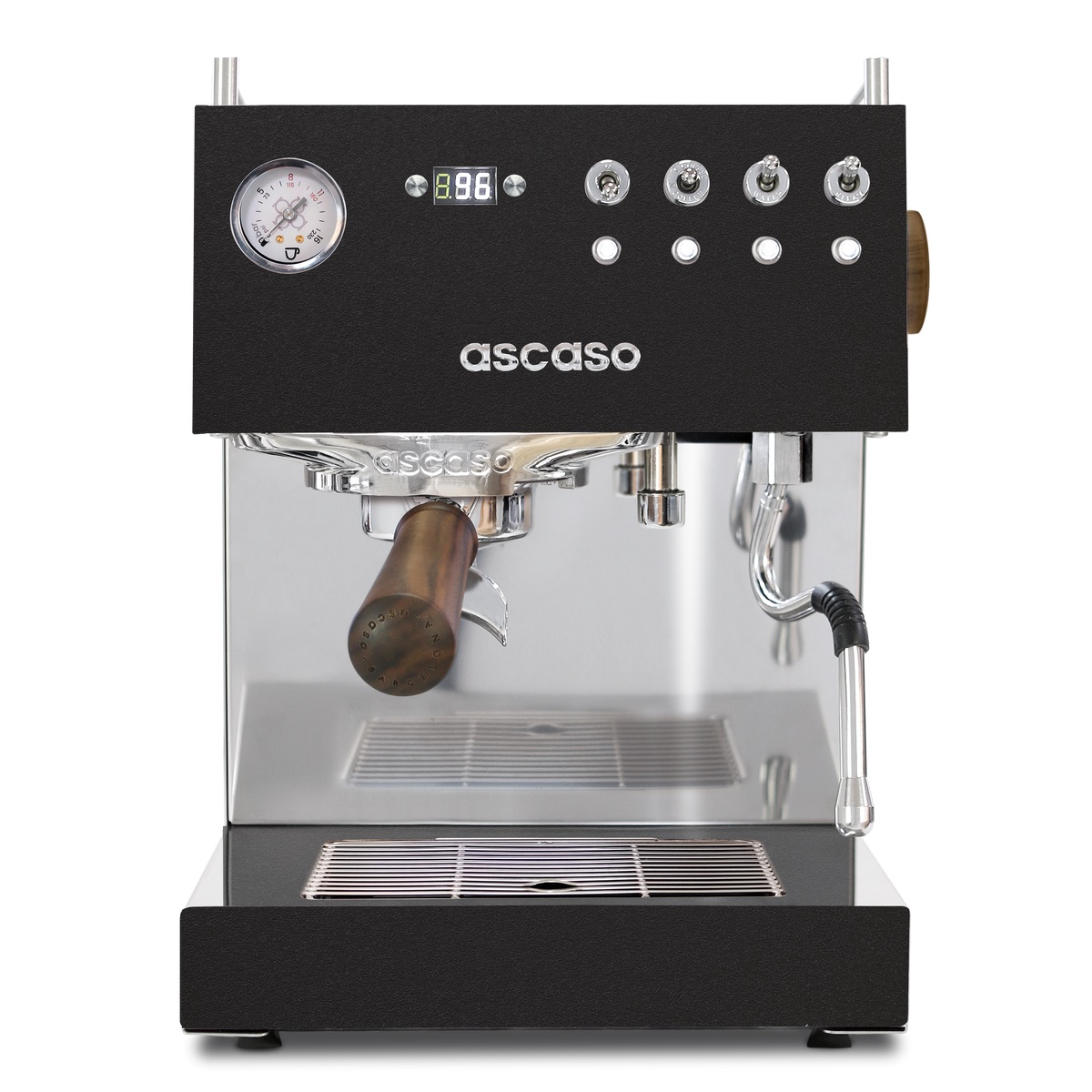
Ascaso
A Barcelona workshop building design-forward, prosumer espresso machines that pair PID temperature control with interchangeable colored panels, so precision and personality share the same countertop. From the compact Dream PID to the dual-thermoblock Steel DUO and the saturated-group Baby T, every Ascaso is engineered to hold temperature within a degree while looking like nothing else on the bar.
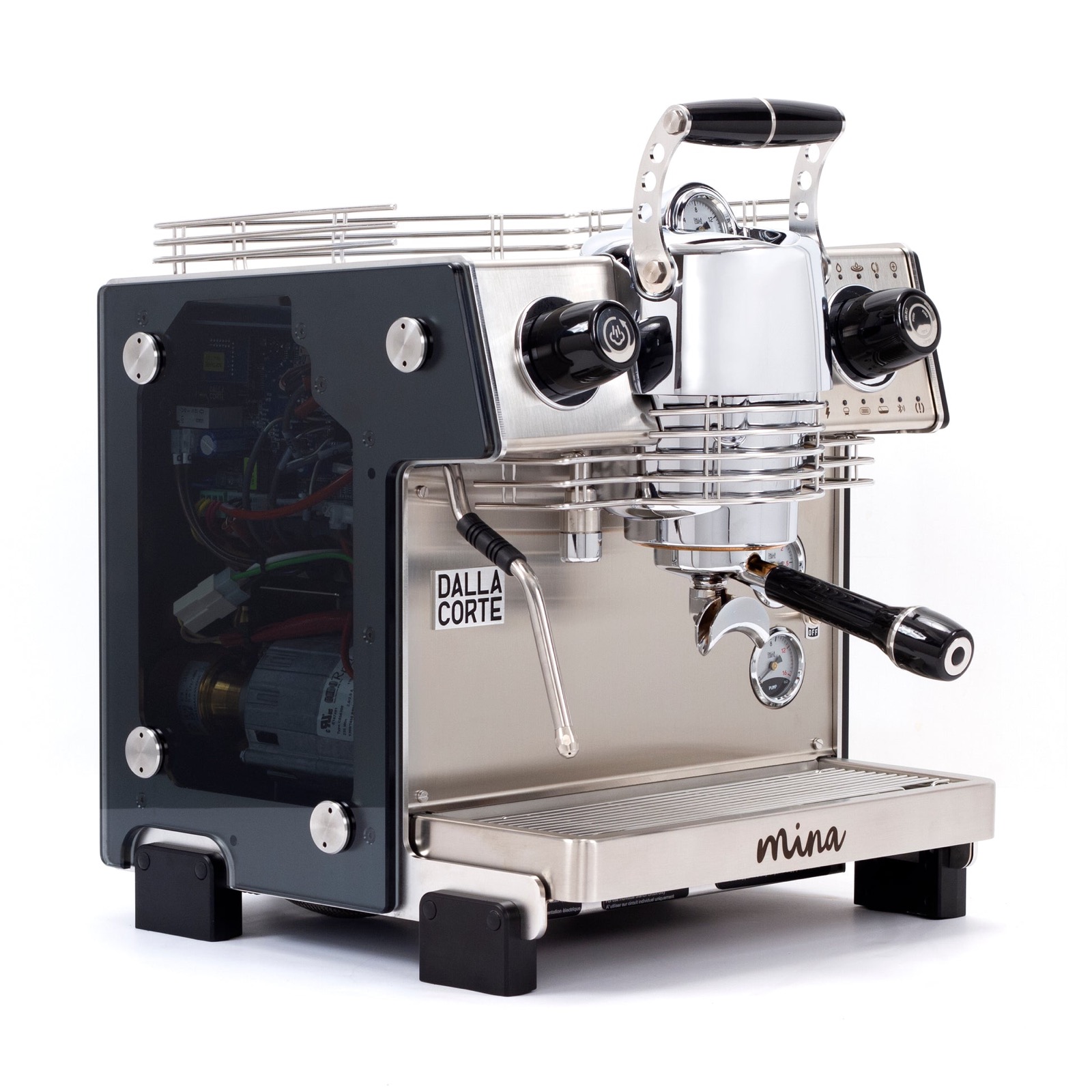
Dalla Corte
Dalla Corte was founded in 2001 near Milan by siblings Paolo and Elsa Dalla Corte with their father Bruno, a veteran of the espresso industry since the 1940s. The company pioneered independent multi-boiler technology, giving each brew group its own PID-controlled boiler so water is never shared between groups — a signature that runs from its compact Mina to its commercial Zero, XT, and Icon machines.
ECM
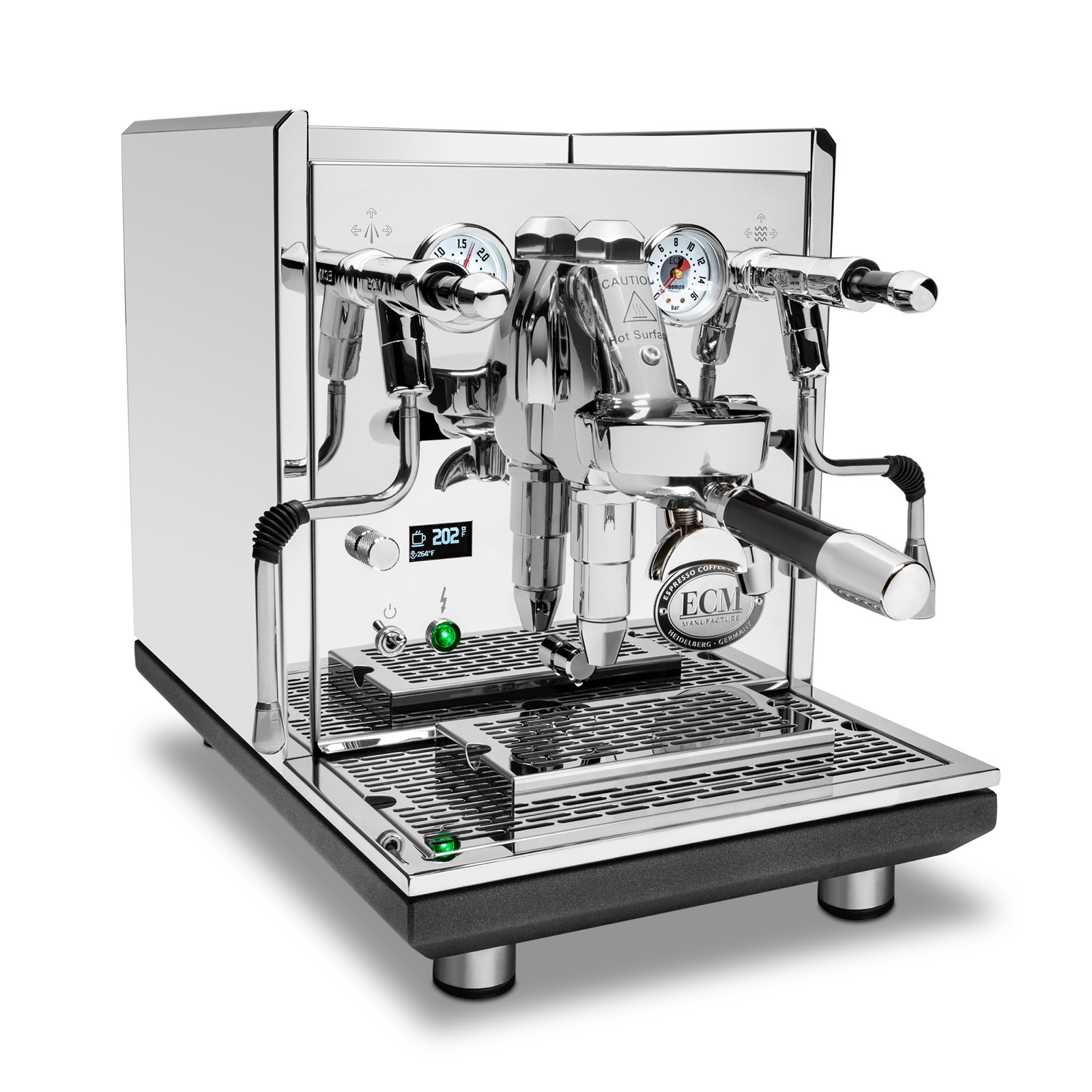
ECM (Espresso Company Milano) hand-builds prosumer espresso machines near Heidelberg, Germany — a family business now in its second generation and sister company to Profitec. Known for chrome-heavy stainless builds, the classic E61 group, and rock-solid engineering, its lineup runs from compact single boilers to the dual-boiler Synchronika flagship.
Elektra
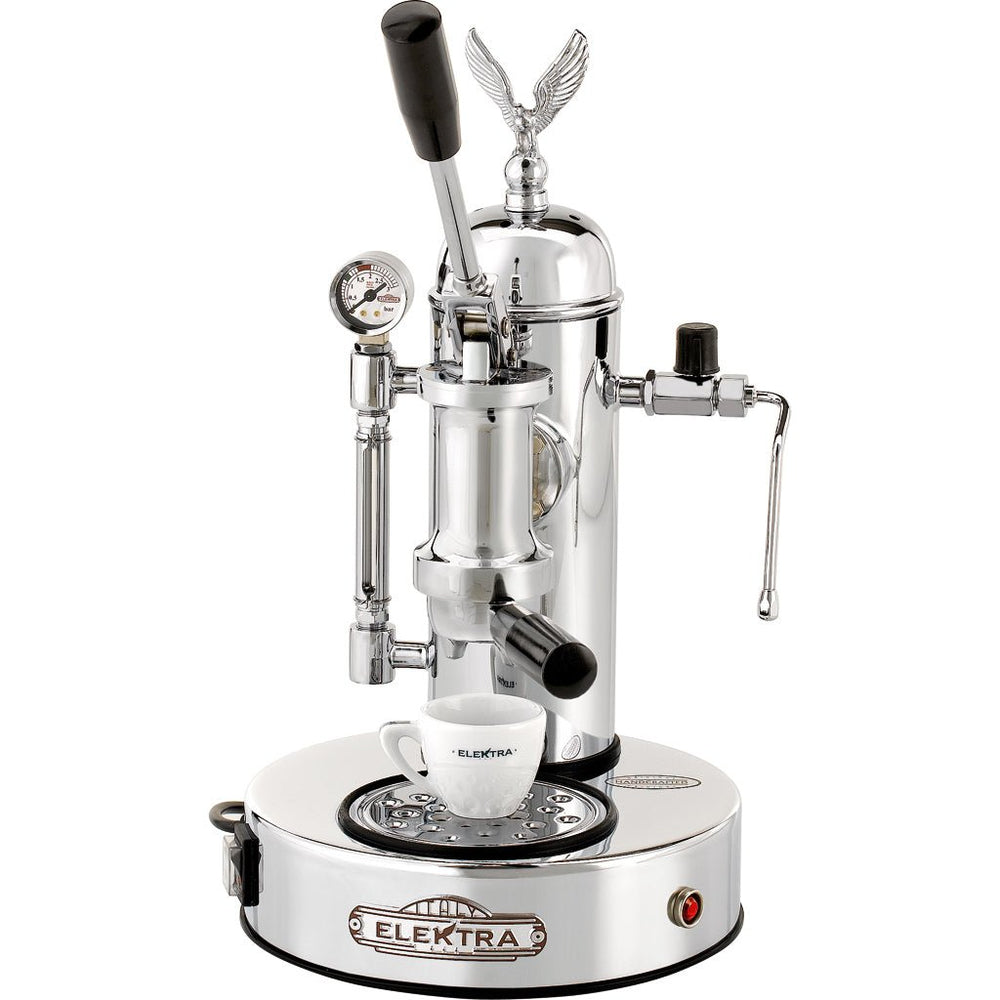
Elektra has been building espresso machines in Treviso, Italy since 1947, best known for the ornate chrome-and-brass Micro Casa a Leva spring-lever and the eagle-crowned Belle Epoque. The workshop pairs old-world hand-polished metalwork with modern semiautomatics, so every machine is as much a countertop object as a brewing tool.
Faema
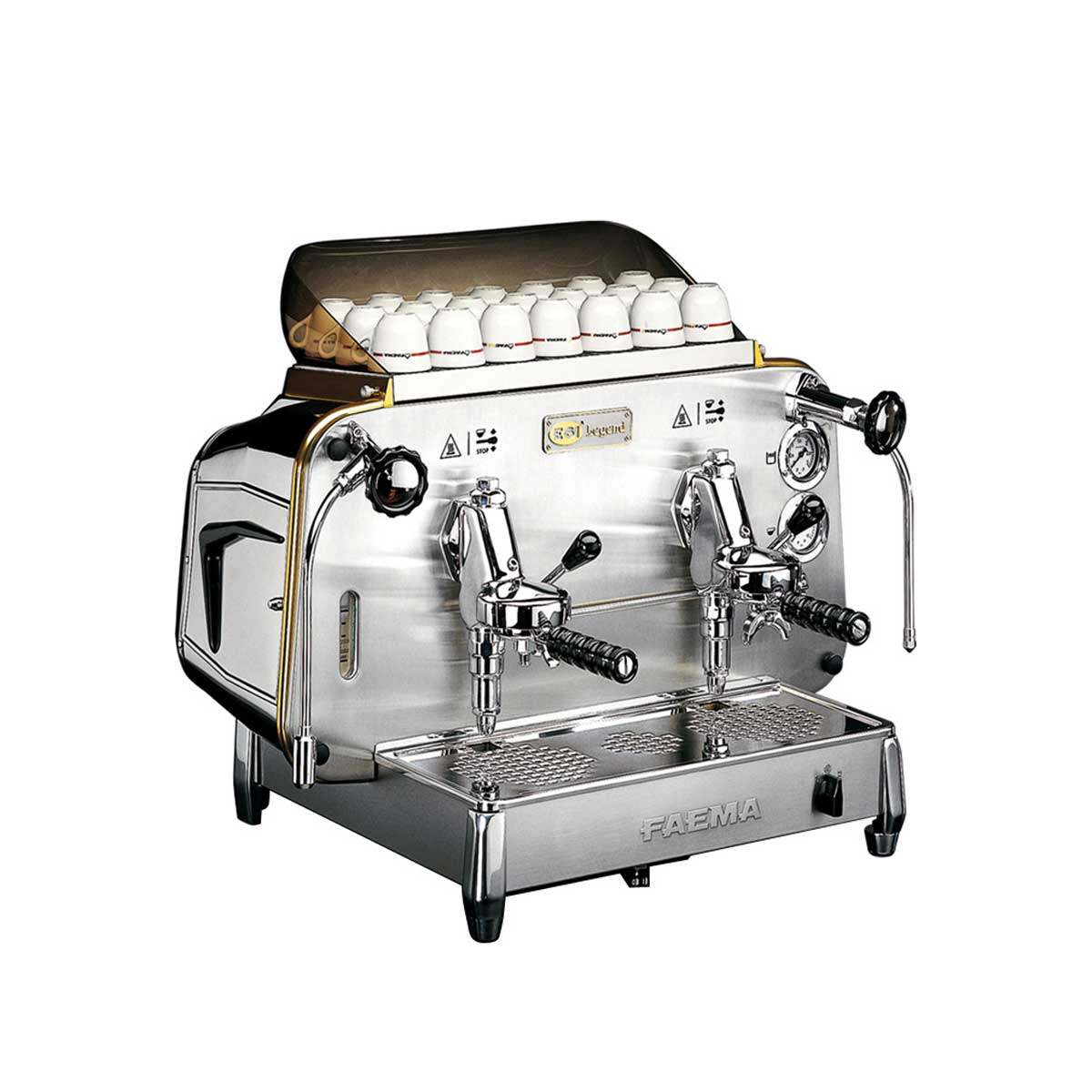
Founded in Milan in 1945, Faema changed espresso forever with the E61: introduced in 1961, it debuted the E61 group head and a motorized volumetric pump that pushed water through the coffee at a stable 9 bar, replacing the manual lever. Today the brand pairs that commercial heritage with the home-focused Faemina, a compact dual-boiler machine engineered with professional technology.
Gaggia
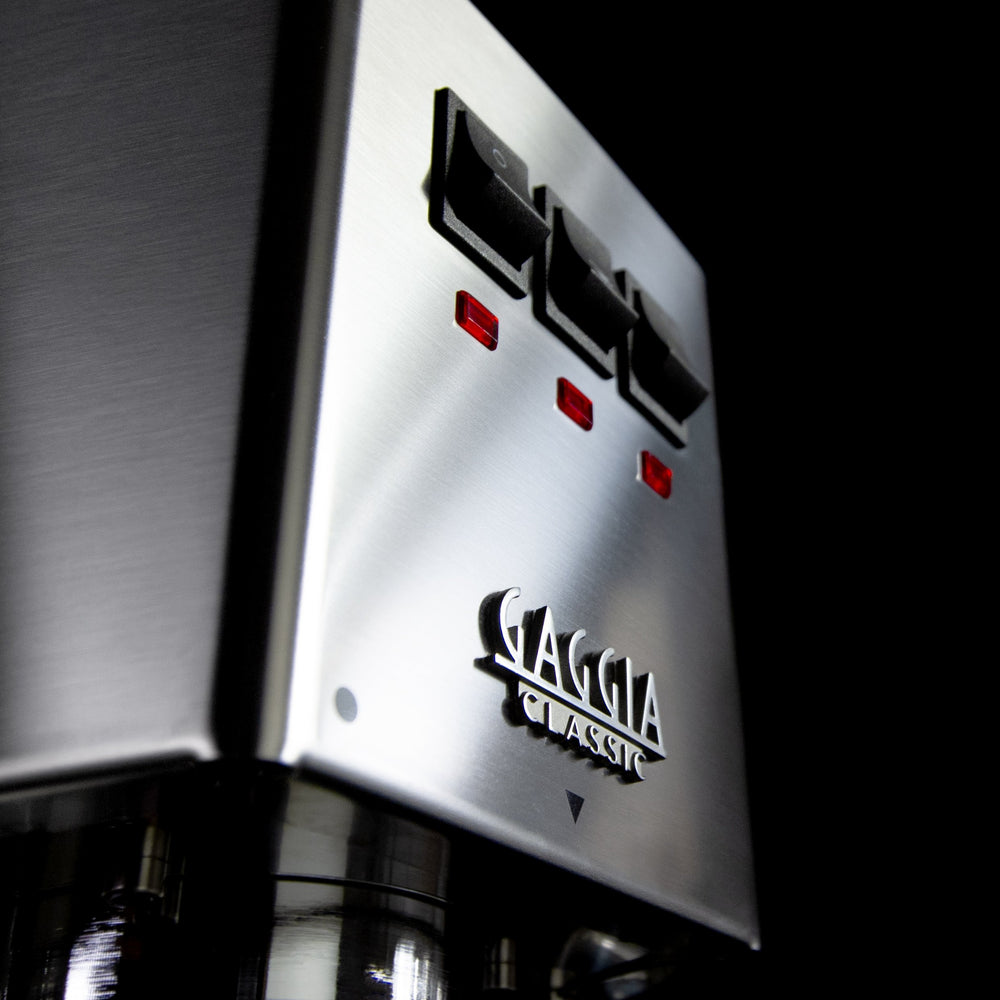
Gaggia is the Milanese house whose founder, Achille Gaggia, patented the piston lever machine in 1938 and commercialized it in 1948 — forcing hot water through the puck at high pressure to create espresso crema for the first time. Today the brand spans the icon Classic Evo Pro alongside a full range of super-automatic machines, carrying that lever-era heritage into everyday kitchens.
La Pavoni
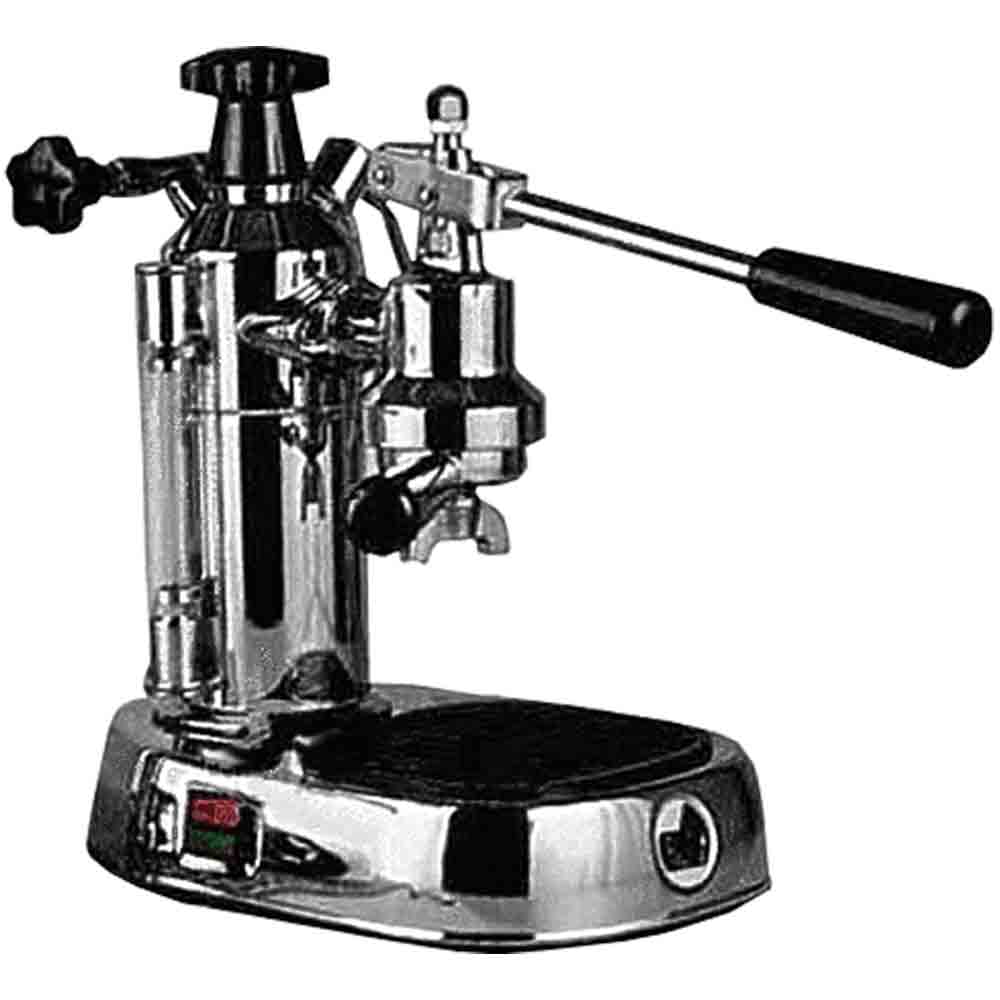
Founded in Milan in 1905, La Pavoni built the archetype of the hand-pulled espresso machine and still makes it: chrome-and-brass direct-lever machines where you set the pressure yourself, arm on the lever, shot by shot. The Europiccola and Professional have anchored home espresso for six decades, now joined by pump-driven, PID-controlled prosumer machines like the Cellini.
La Spaziale
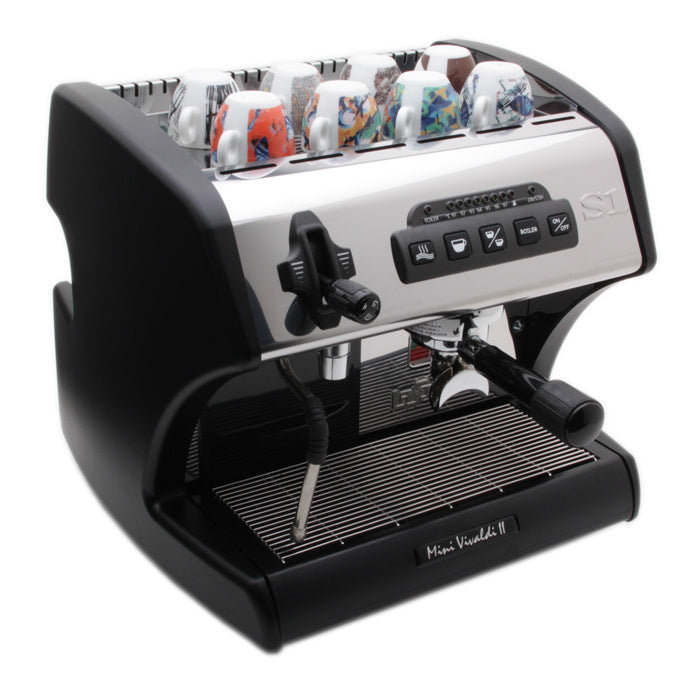
La Spaziale has built espresso machines in Bologna, Italy since 1969, and remains family-run to this day. Known for its patented steam-circulation heat exchange and a distinctive 53mm portafilter, its lineup runs from the S1 Mini Vivaldi II prosumer machine to the S-series machines found in cafes worldwide.
Nuova Simonelli
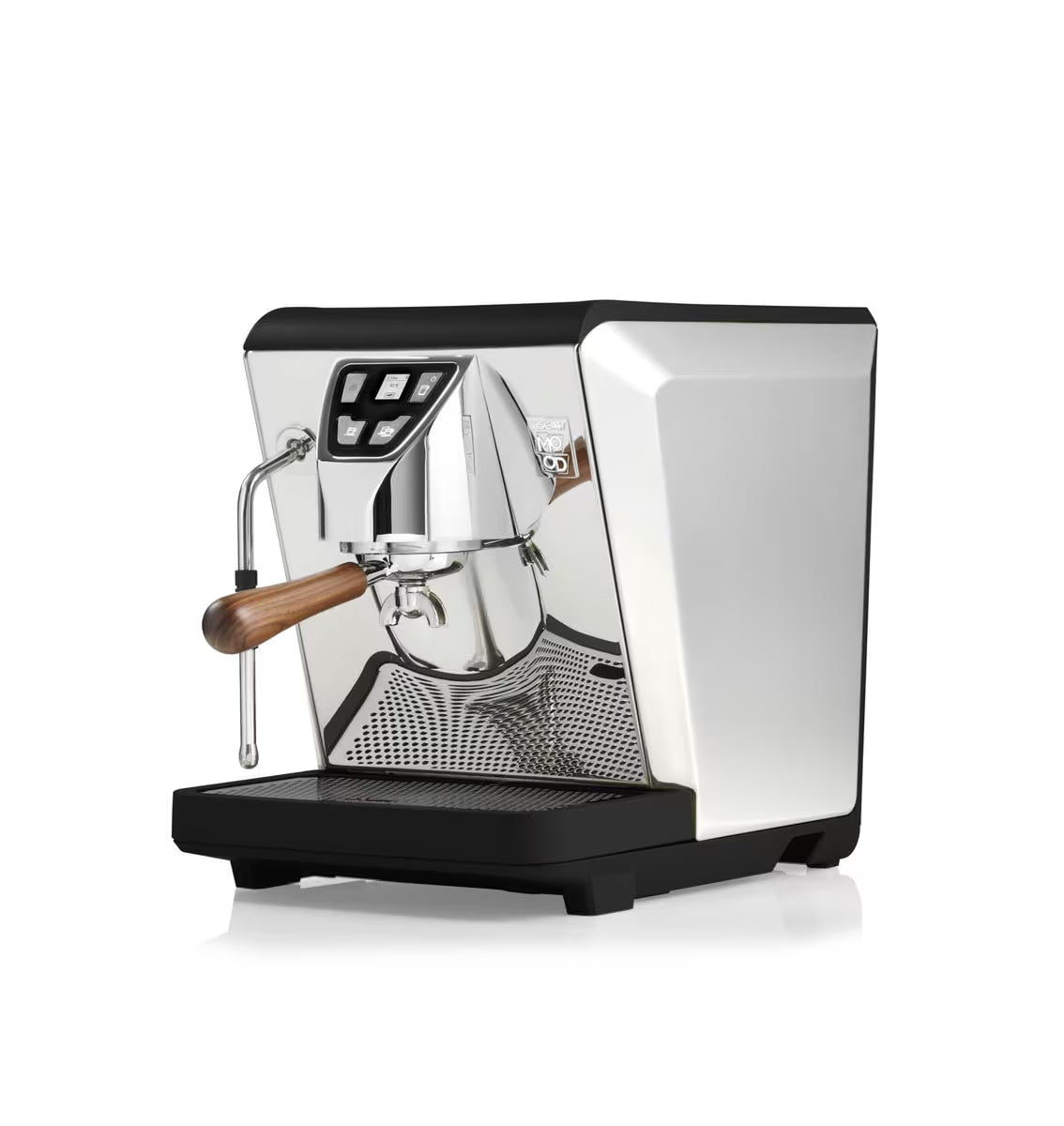
Nuova Simonelli has built professional espresso machines in Tolentino, Italy since 1936, and serves as the official equipment sponsor of the World Barista Championship. Its lineup runs from single-group prosumer machines with PID temperature control to high-volume commercial flagships with Pulse-Jet extraction and touchscreen control.
Profitec
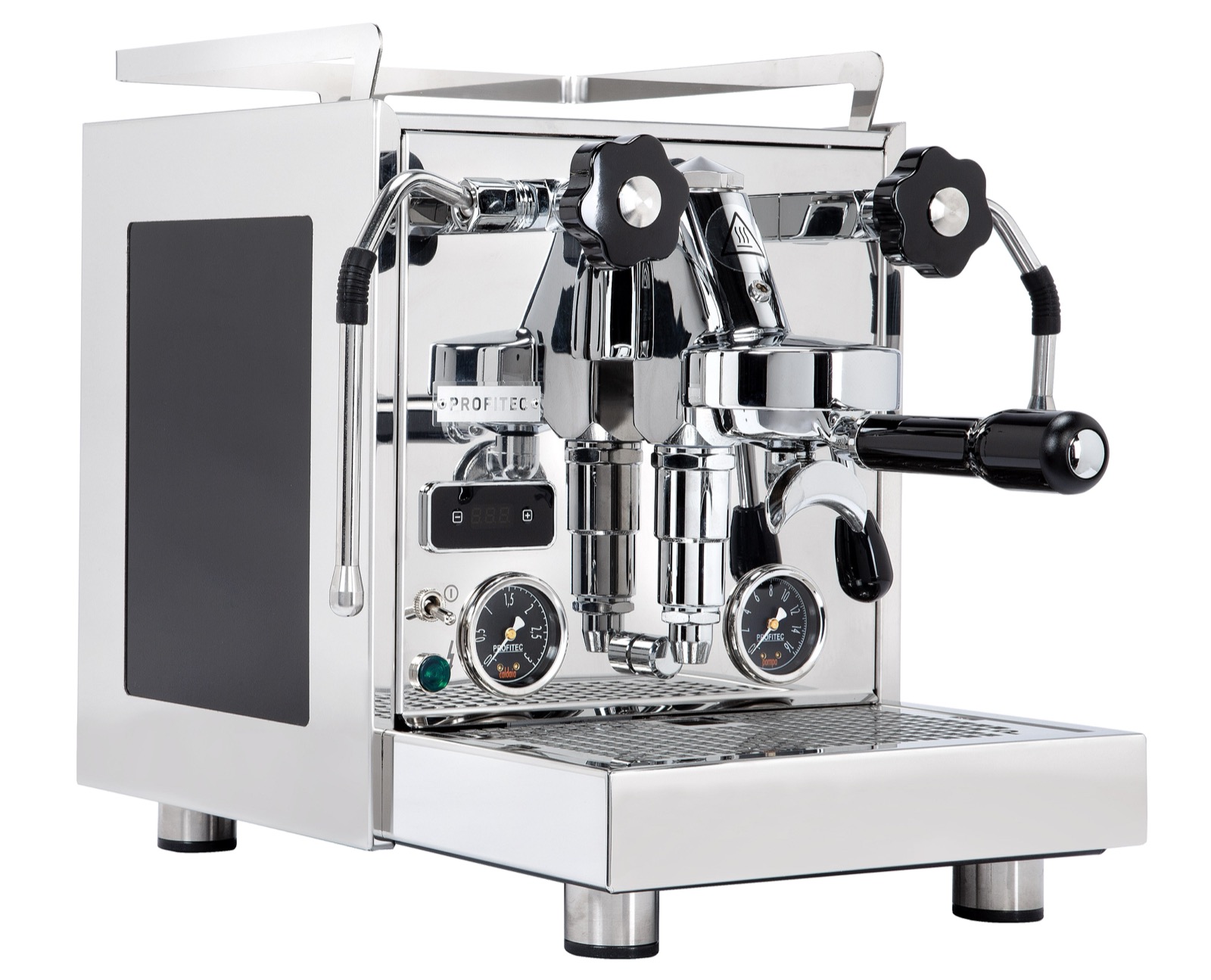
A German engineering house based in Bammental, Profitec builds its prosumer espresso machines in Germany with an emphasis on clean stainless-steel form and precise, user-friendly control. Its lineup pairs classic E61 group heads and PID temperature management with dual-boiler and heat-exchange architectures, from compact reservoir machines to plumbable, rotary-pump flagships.
Quick Mill
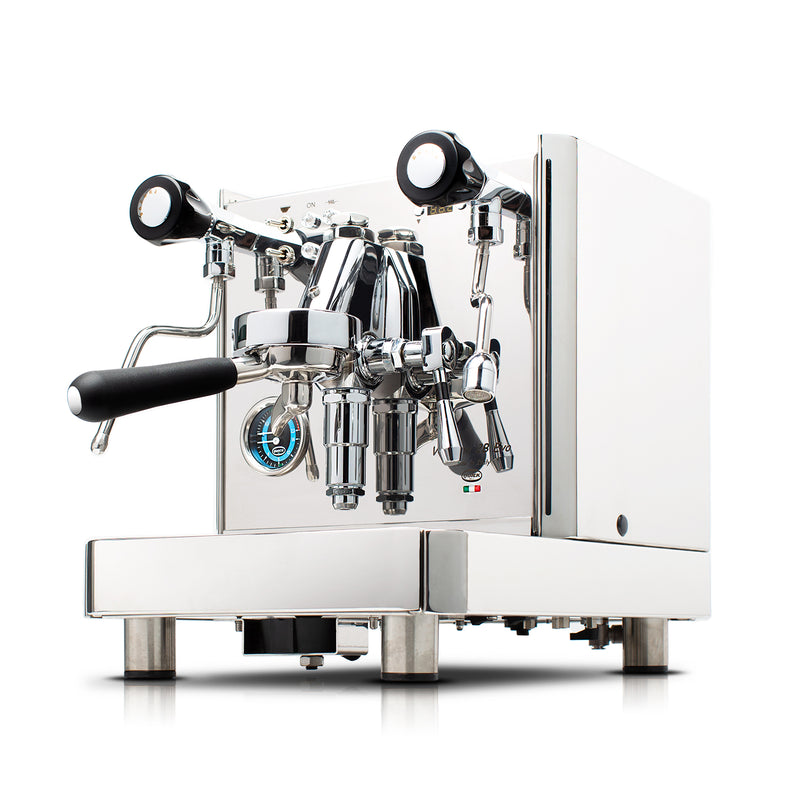
A family-run Italian workshop founded in 1945 and still building espresso machines by hand in Senago, just north of Milan. Quick Mill has spent decades bridging the home and professional worlds with E61 heat exchangers, dual boilers, and PID-controlled brew temperatures. In 2025 it was entered into Italy's registry of Historic Brands.
Rancilio
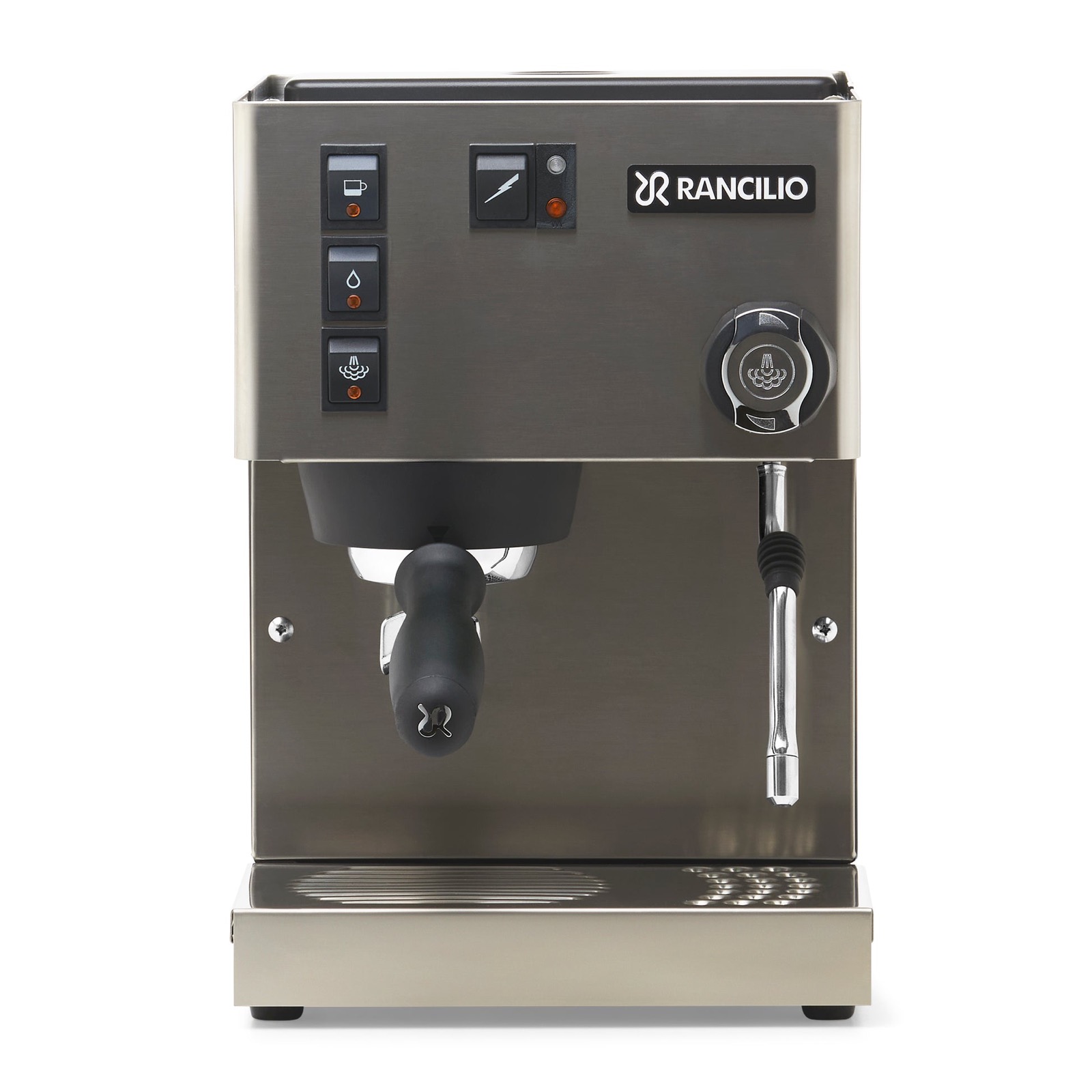
Rancilio has been building espresso machines in Parabiago, near Milan, since Roberto Rancilio founded the company in 1927. Its home icon, the Silvia, has run in near-continuous production since 1998 with a commercial 58mm portafilter, while the Classe line powers cafes worldwide.
ROK
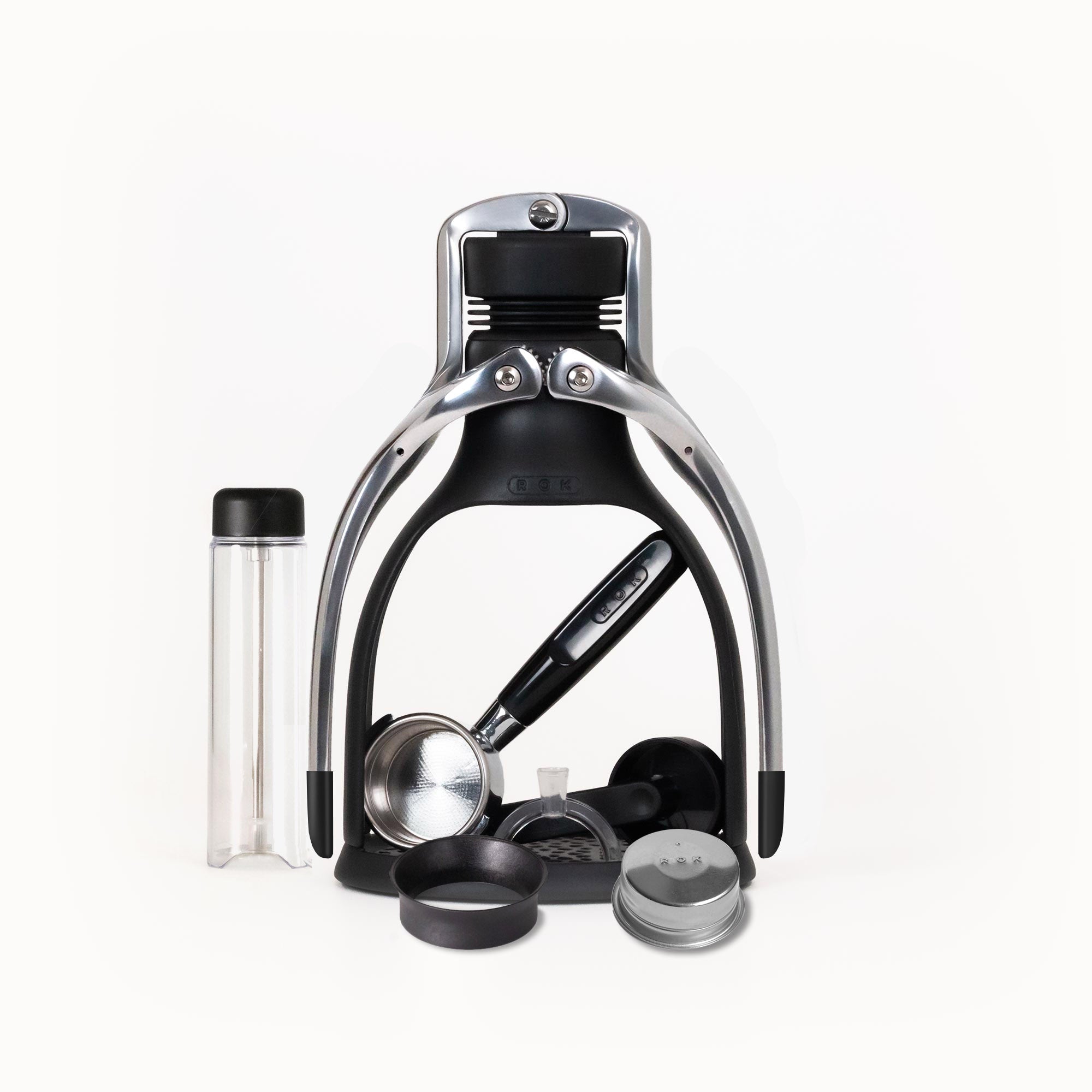
ROK builds hand-powered espresso gear that needs no electricity — you lift the lever arms to draw in hot water, then press down to generate the pressure for a real shot. It's a low-tech, travel-ready way to pull espresso with total manual control, paired with an all-metal hand grinder built to match.
Sanremo
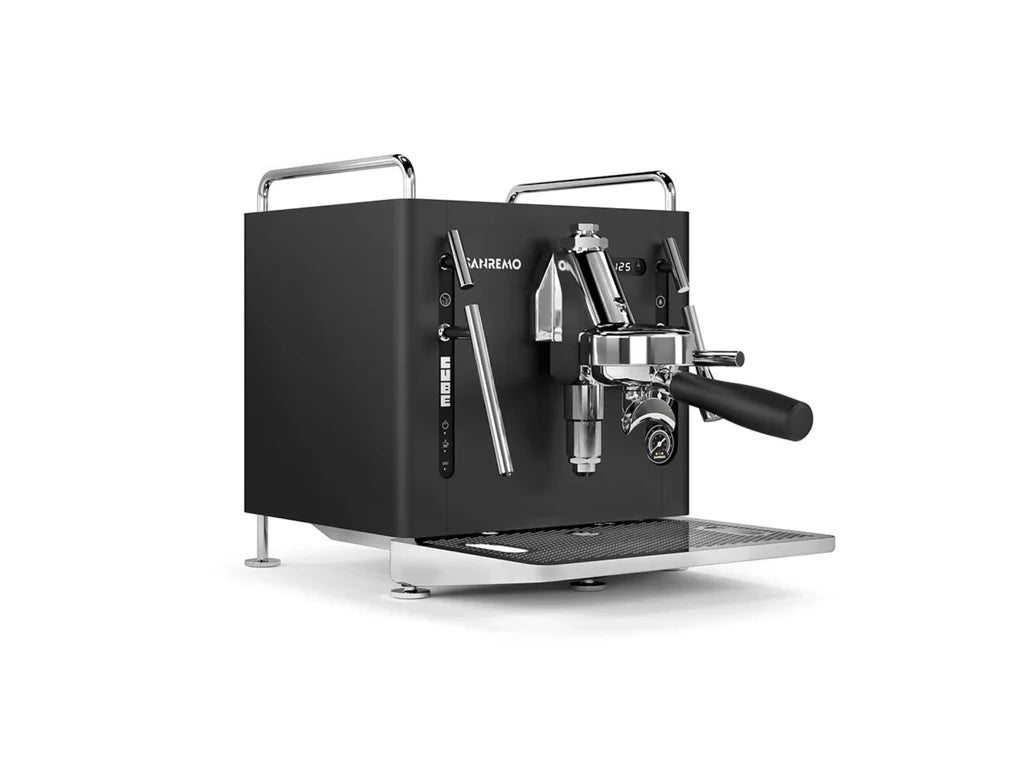
Sanremo is an Italian espresso machine manufacturer founded in 1980 in Treviso, in the Veneto region, where it still designs and builds its machines. The family-run workshop produces a full range spanning compact prosumer models for the home to multi-boiler commercial machines engineered for high-volume specialty cafes, pairing precise temperature and pressure-profiling technology with design-forward aesthetics.
Slayer
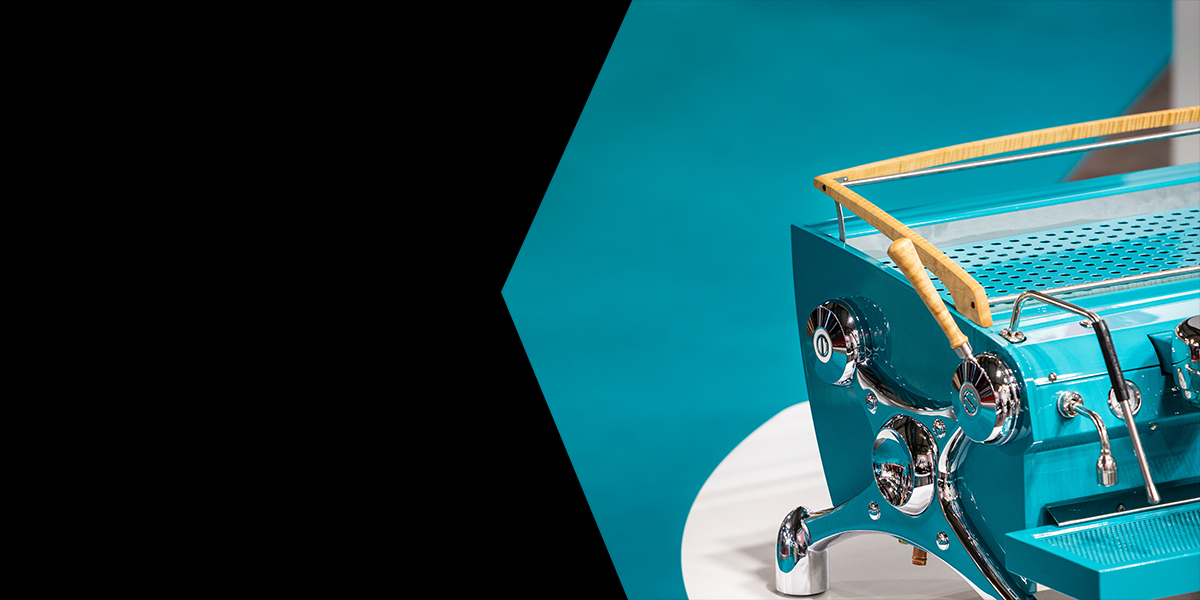
Slayer Espresso is built near Seattle, Washington, where each machine is hand-assembled to order. The brand is best known for its patented needle-valve technology, which lets baristas manually control brew flow for a slow, programmable pre-brew and precise flavor profiling. Its machines pair independent per-group brew and steam tanks with PID temperature control for shot-to-shot consistency.
Victoria Arduino
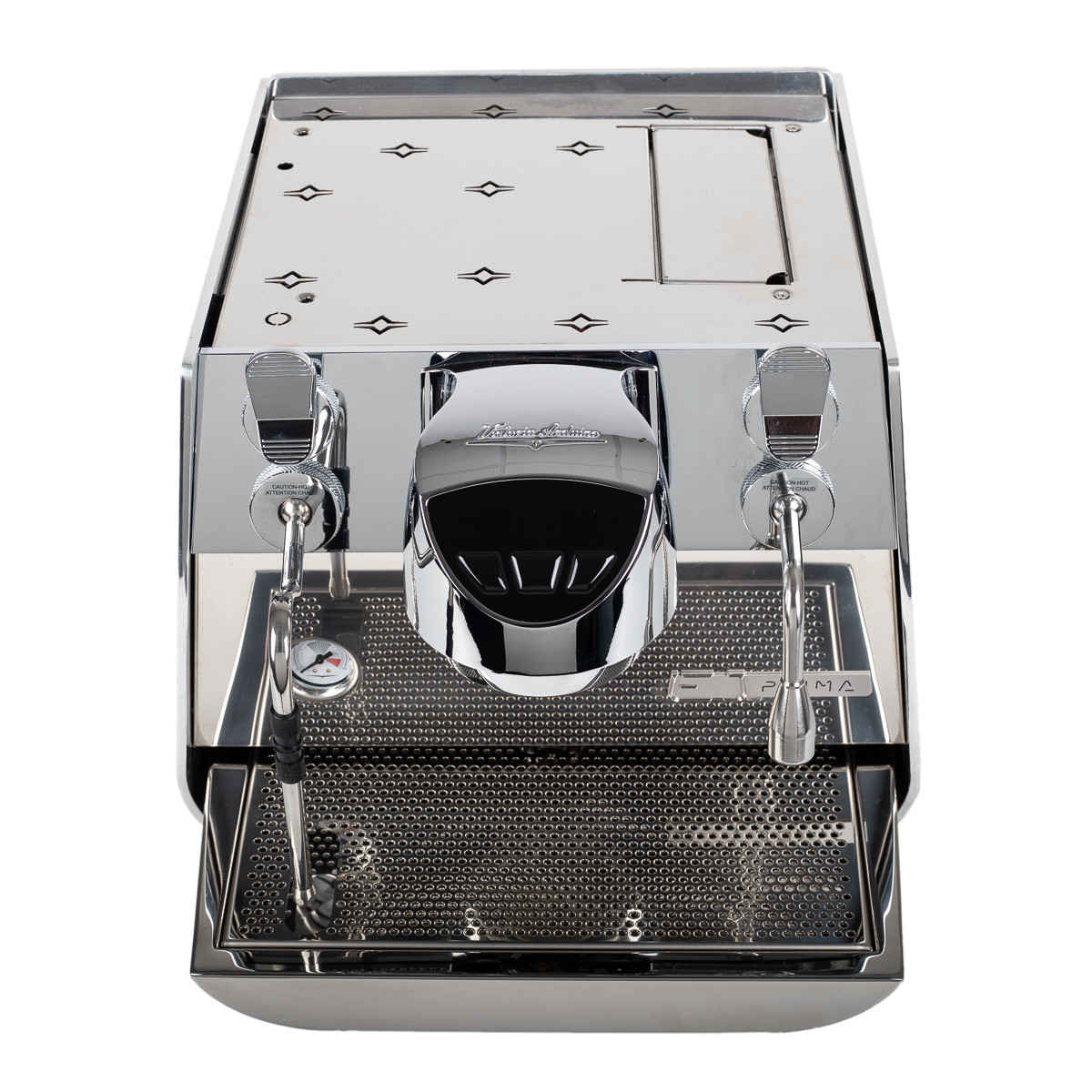
Founded in 1905 in Turin, Victoria Arduino builds Italian espresso machines for competition and specialty cafes, engineered around energy recovery and temperature stability. Its Eagle line reclaims discharged heat to pre-warm incoming water, and its NEO group and T3 systems hold brew temperature shot to shot — now scaled down to a single-group, app-driven prosumer machine.
Wacaco
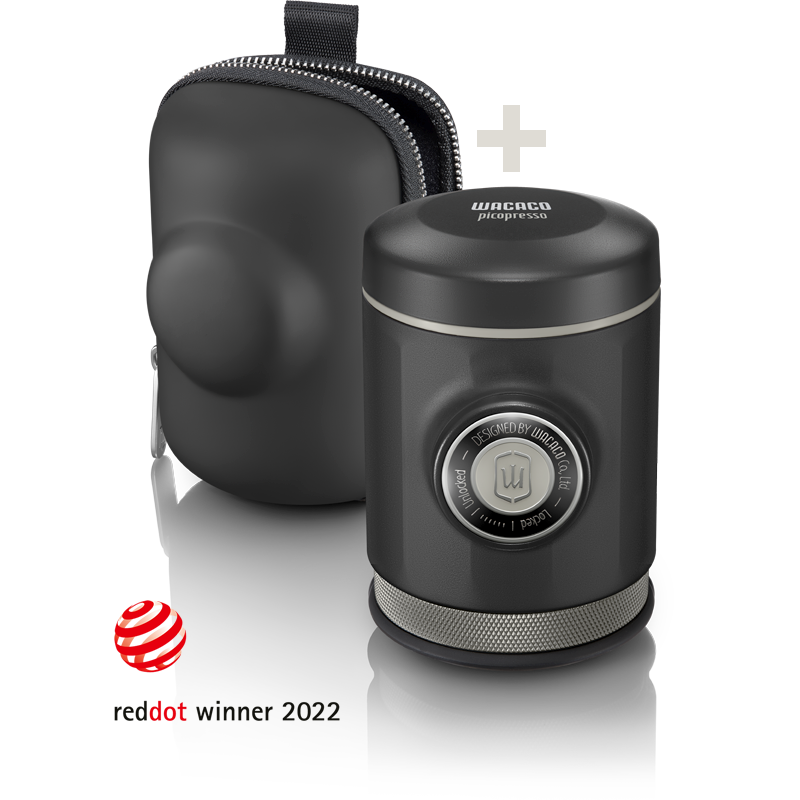
Wacaco builds hand-powered portable espresso makers that pull a real crema-topped shot with no electricity and no batteries — just a manual piston reaching up to 18 bar. Pocket-sized and travel-built, they turn ground coffee and hot water into genuine espresso anywhere, from a campsite to an airport lounge.
Cafelat Robot
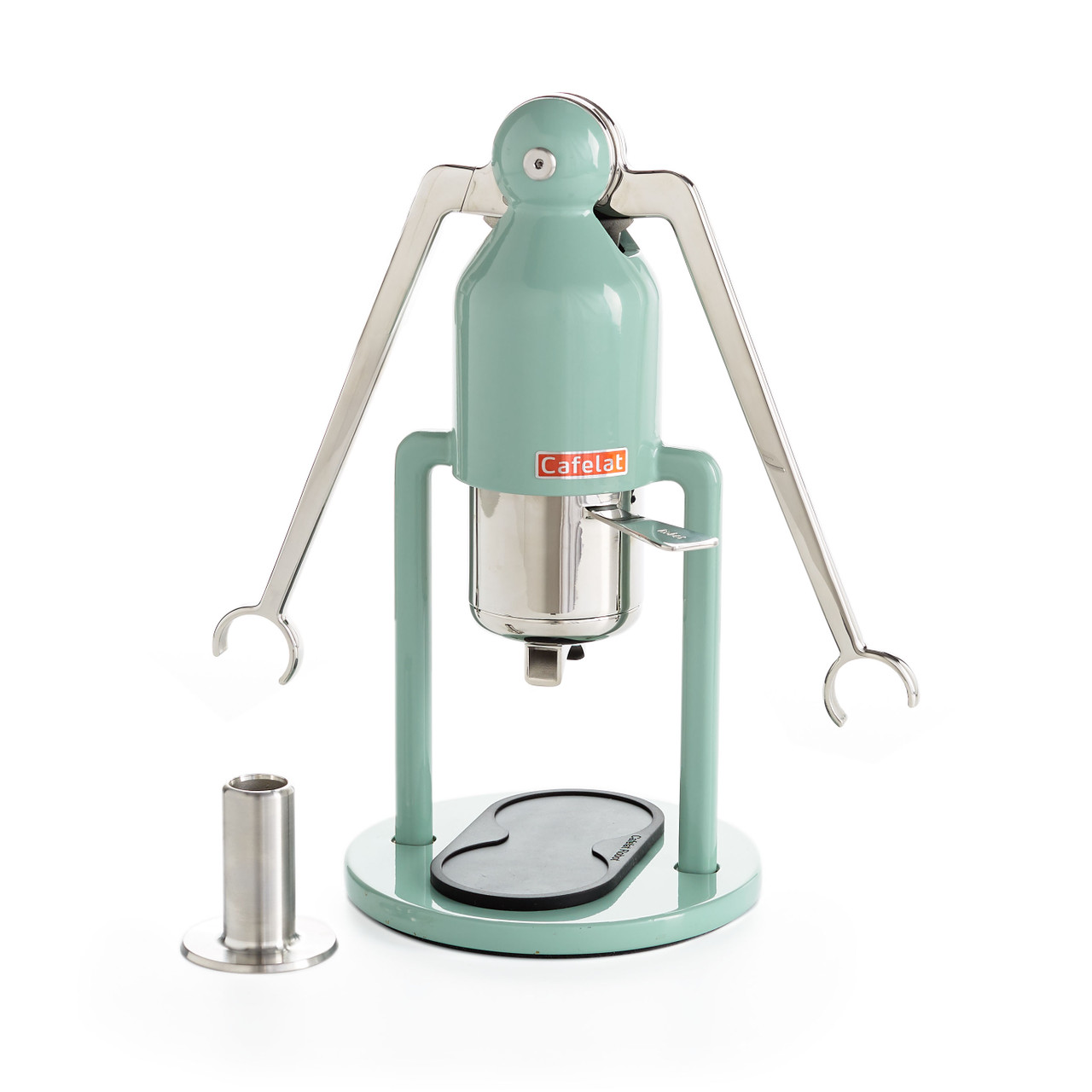
Cafelat hand-builds the Robot, a plastic-free manual lever espresso maker that trades pumps and electronics for two arms you press by hand. You pull each shot yourself against 6-10 bars of pressure — the Barista version adds a gauge so the pressure is read, not guessed.
Izzo
Naples, 1979. Four decades of hand-built Italian machines — the Alex Duetto dual-boiler is a home-barista standard.
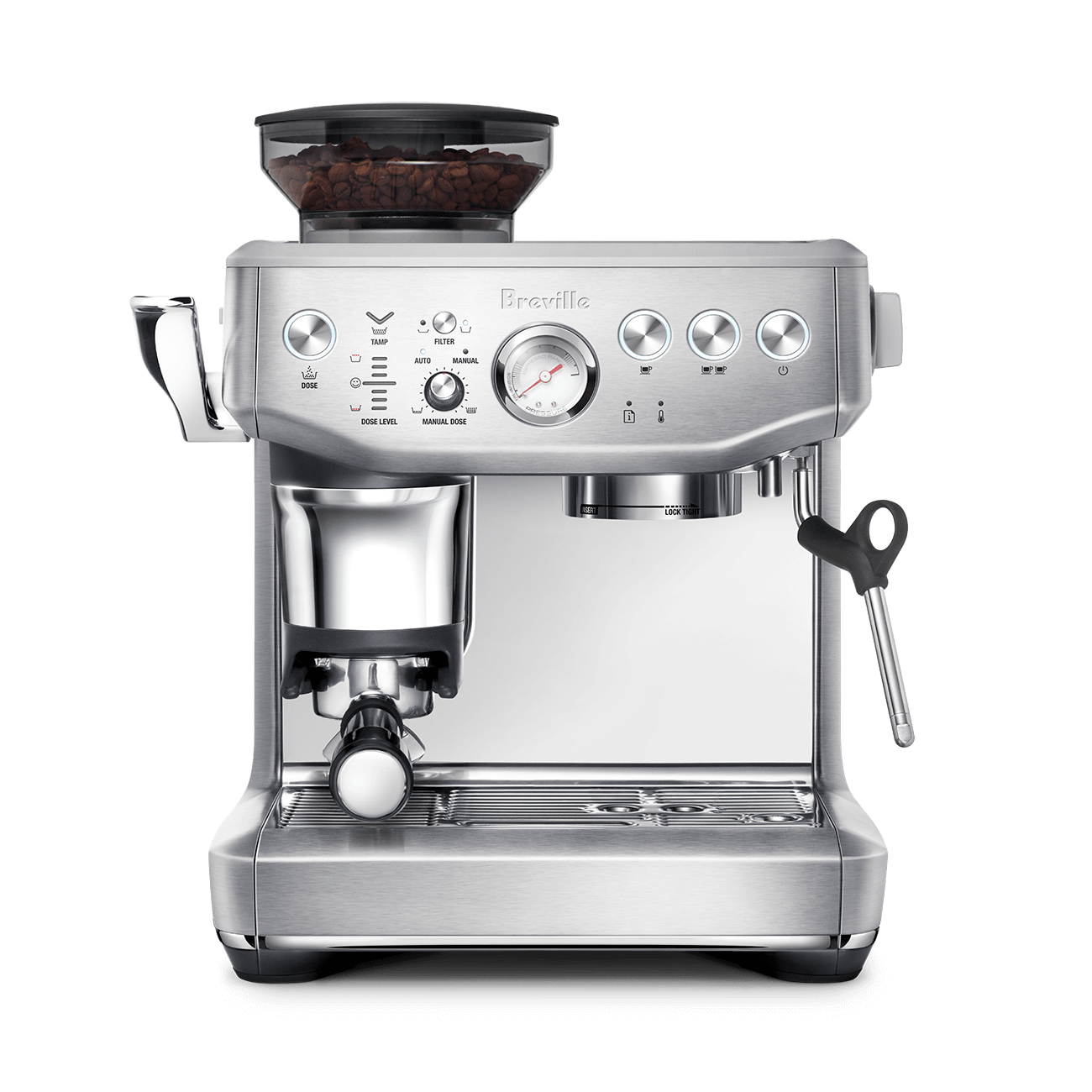
Sage
Sage is Breville's brand name in the UK, Europe, and Australia — the exact same machines, from the entry-level Bambino to the flagship Oracle, sold under the Sage badge. The lineup is built around integrated conical burr grinders, digital PID temperature control, and low-pressure pre-infusion, with guided models like the Barista Express Impress taking the guesswork out of dosing and tamping.
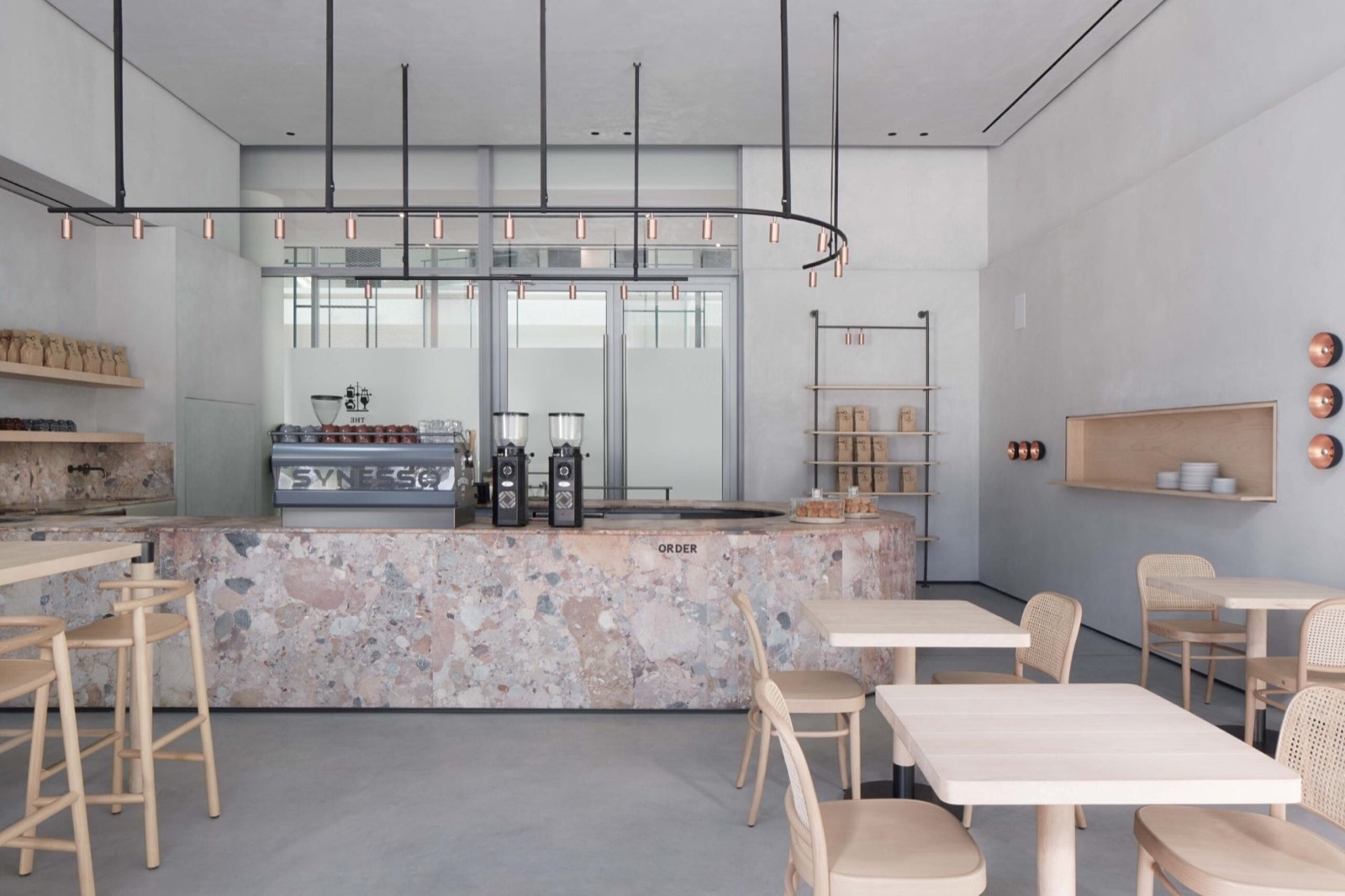
Synesso
Synesso hand-builds commercial espresso machines in Seattle, Washington, and is renowned among specialty-coffee professionals for exceptional temperature stability and independent, group-by-group control. Its machines pair PID-controlled brew boilers with saved pressure-profiling recipes, giving baristas precise, repeatable extractions.
Vibiemme
Milan, 1976. Built one of the first compact E61 home machines — the Domobar line is still its signature.
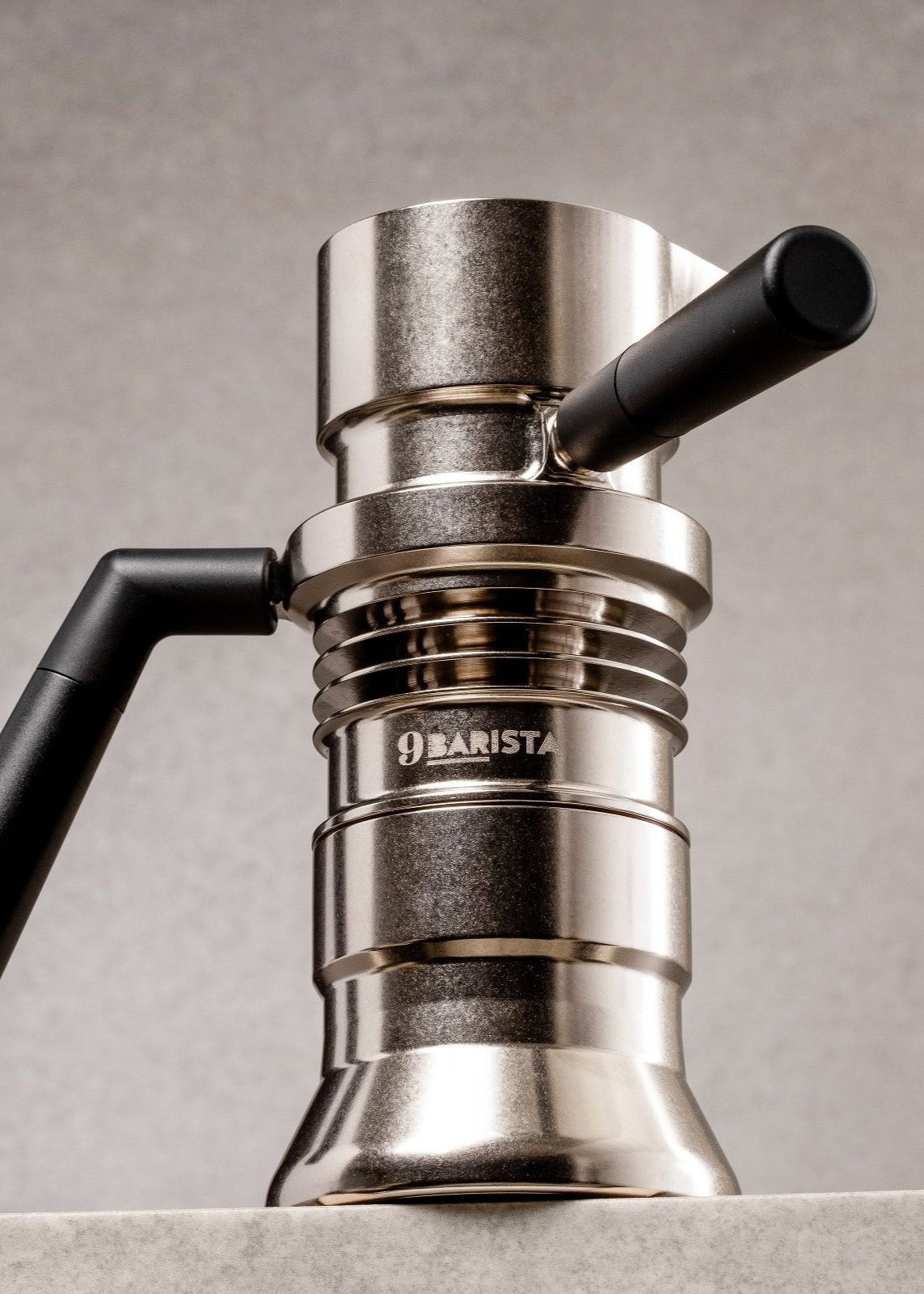
9Barista
9Barista makes a stovetop espresso machine engineered by a former jet-engine designer, using a patented twin-boiler steam system to pull true 9-bar shots on any hob with zero electronics. It heats from cold in minutes and brews at 93°C and full pressure, delivering real crema where a moka pot never could.
Meraki
An all-in-one espresso system — dual boiler, commercial rotary pump, integrated grinder, and dual built-in scales that weigh the dose in and the shot out. Every cup starts and ends on a number.
Strietman
Hand-built lever machines from Eindhoven — CNC-milled brass, an open boiler, and nothing you don't need. Made to order.
ACS
Italian maker (A Coffee Shop) of the Minima and Vesuvius pressure-profiling machines.
Kees van der Westen
Dutch artisan machines — the Speedster and Spirit are handbuilt objects of desire.
La Cimbali
Italian heritage maker of high-volume cafe machines since 1912.
Londinium
Modern spring-lever machines that revive the classic lever pull for home and cafe.
Olympia Express
Swiss-built machines since 1928 — the Cremina lever is a lifetime heirloom.
Brewing gear
16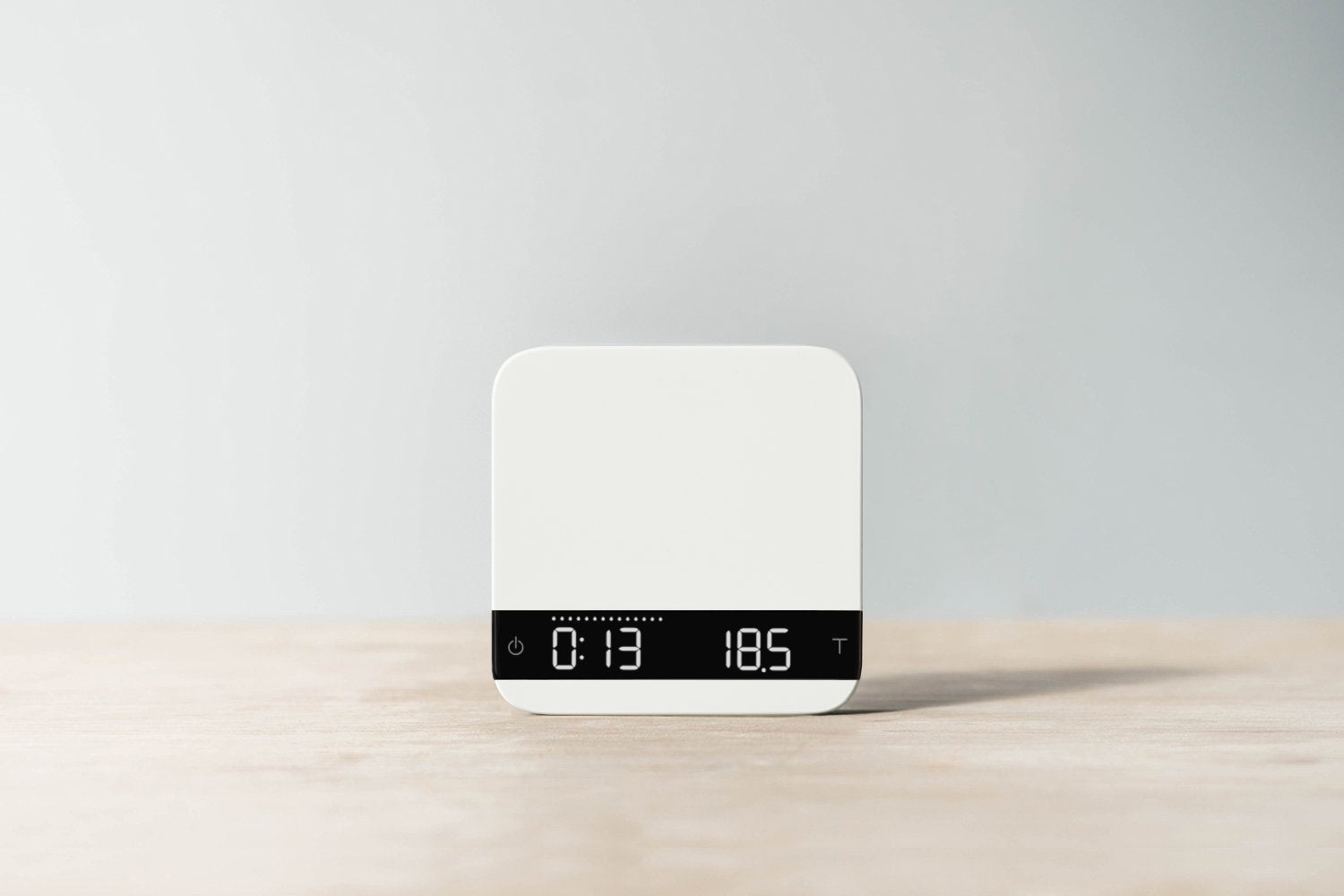
Acaia
Precision coffee scales that put a number on every pour and shot. Acaia pairs high-resolution weighing with real-time flow-rate tracking and Bluetooth app connectivity, so brewing becomes measurable and repeatable. The lineup runs from everyday espresso scales up to competition-grade instruments reading down to a thousandth of a gram.
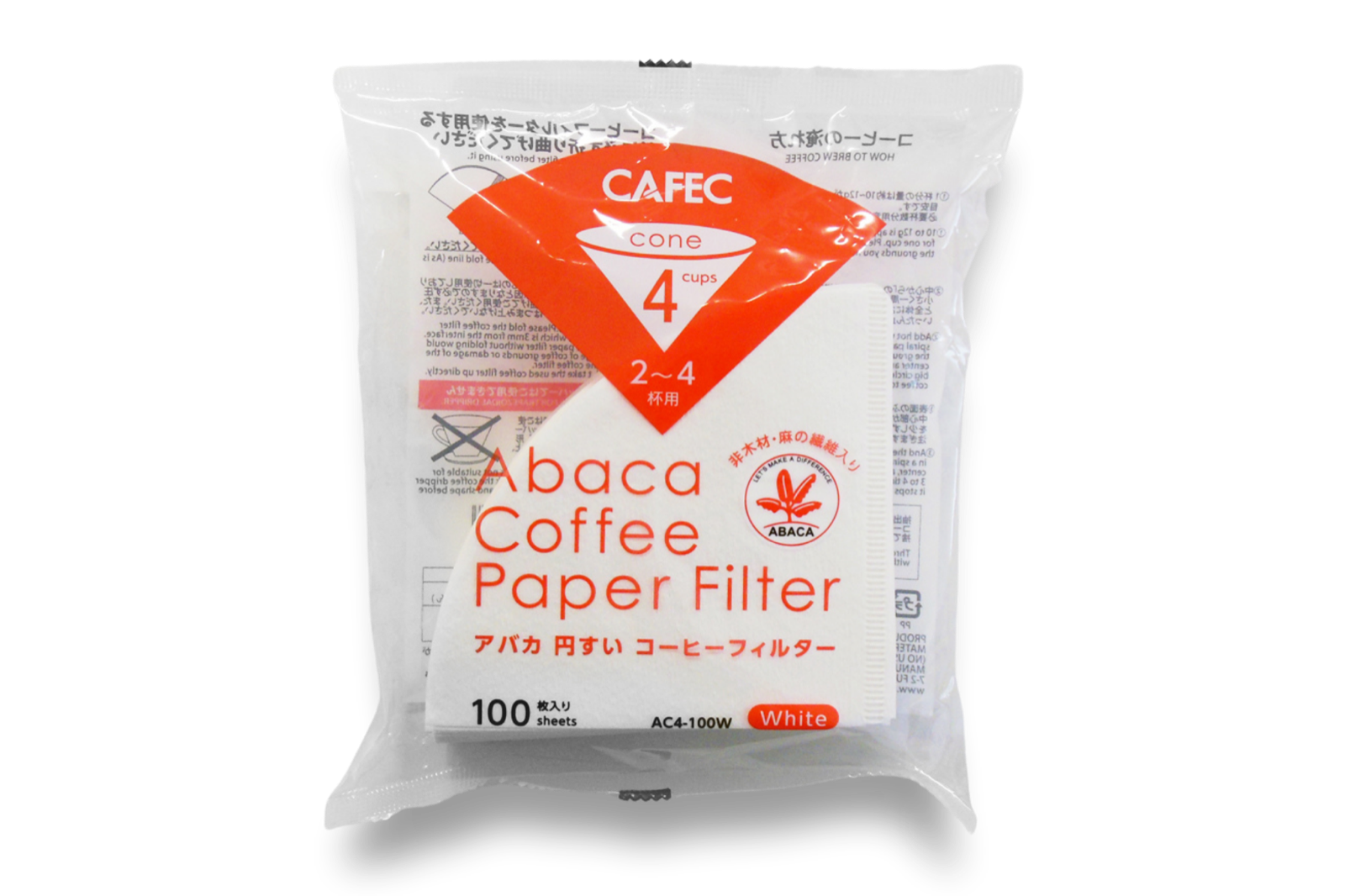
Cafec
The Nagoya paper mill Sanyo Sangyo, brewing as Cafec, engineers pour-over filters like lab consumables. Its Abaca papers blend Manila-hemp fiber for high, low-resistance flow, and its roast-specific line tunes the paper's drying process so light, medium, and dark roasts each draw down at their ideal speed.
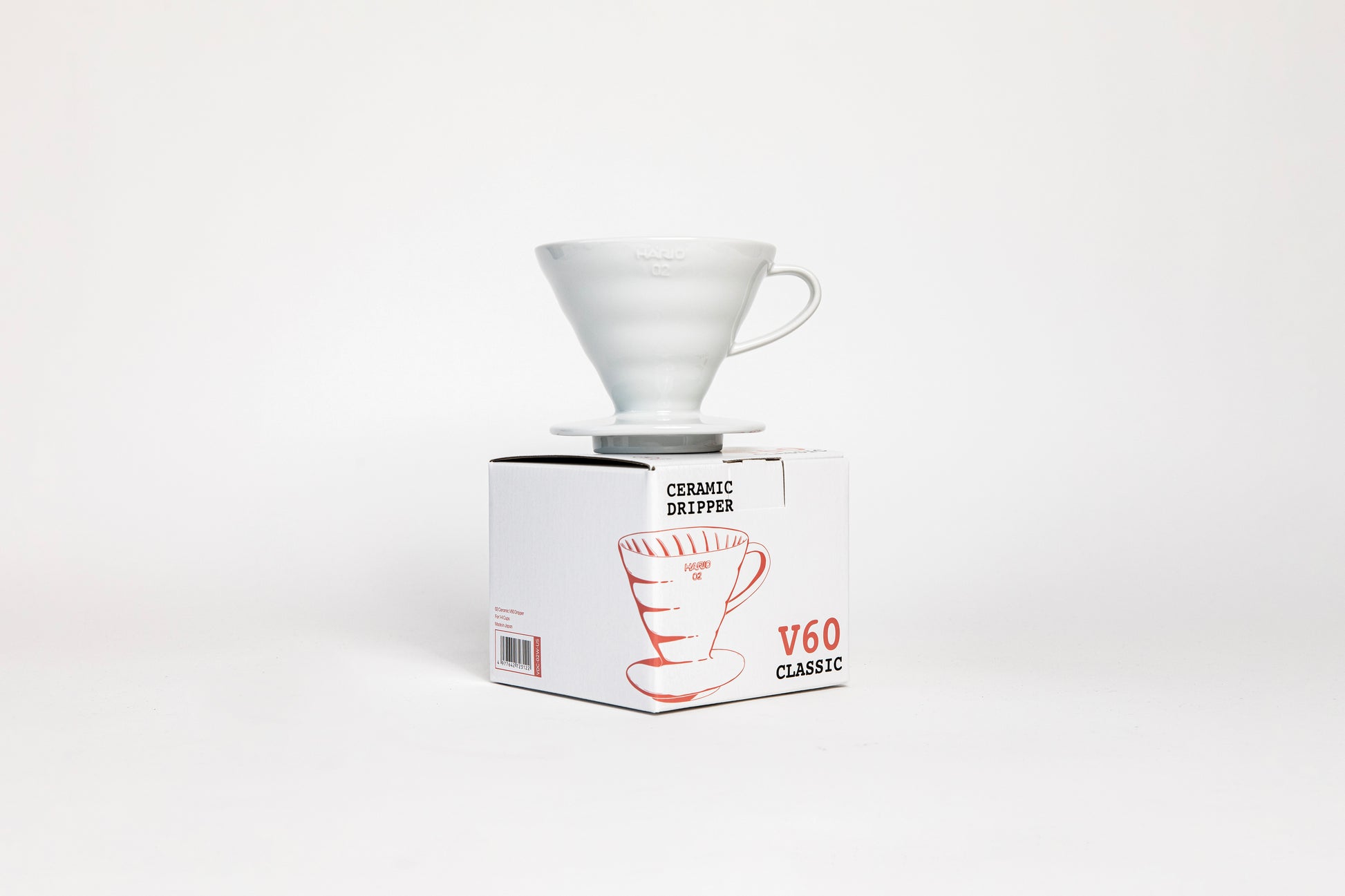
Hario
The Tokyo glassmaker that gave pour-over its icon. Founded in 1921 and the only company in Japan with its own heatproof-glass factory, Hario turned laboratory-grade borosilicate into brewing tools. Its V60 cone, servers, gooseneck kettles, and cold-brew makers are fixtures of the modern coffee bar.
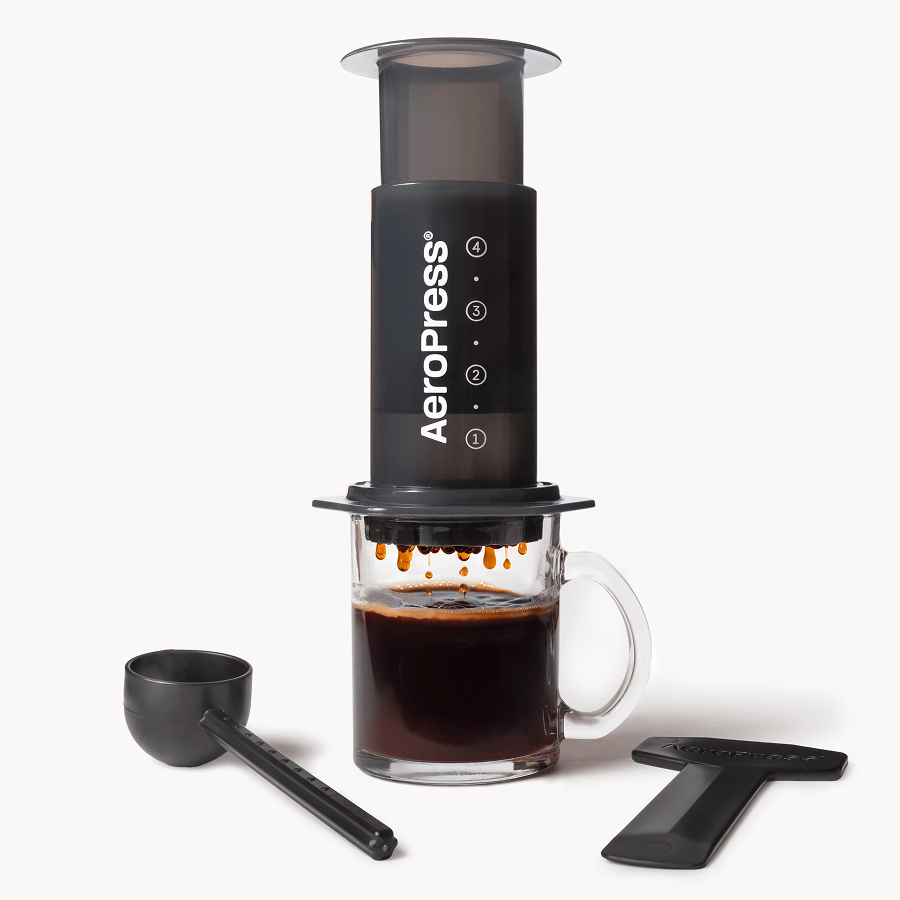
AeroPress
The immersion-plus-pressure brewer invented by engineer Alan Adler in Palo Alto, California in 2005. It steeps grounds in water, then uses gentle hand-applied air pressure through a paper micro-filter to push the coffee through, producing a smooth, low-bitterness, grit-free cup in about two minutes. One compact device covers American-style, espresso-style, and cold brew.
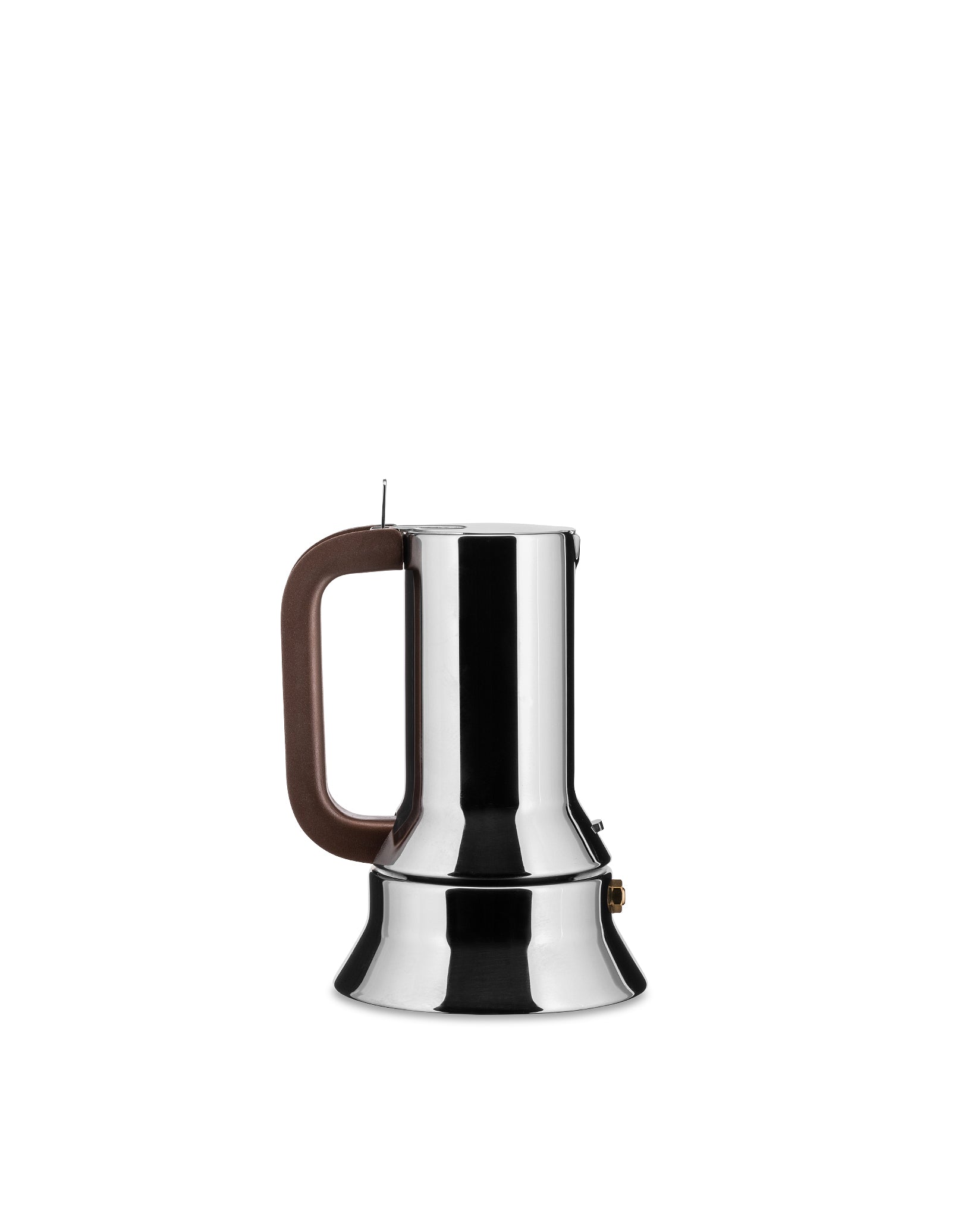
Alessi
The Italian design house that hands coffee makers to architects. From its workshop on Lake Orta, Alessi commissions figures like Richard Sapper, Aldo Rossi, David Chipperfield, and Michele De Lucchi to reimagine the stovetop espresso pot — objects that have won Compasso d'Oro awards and entered the MoMA collection while still brewing a real cup.
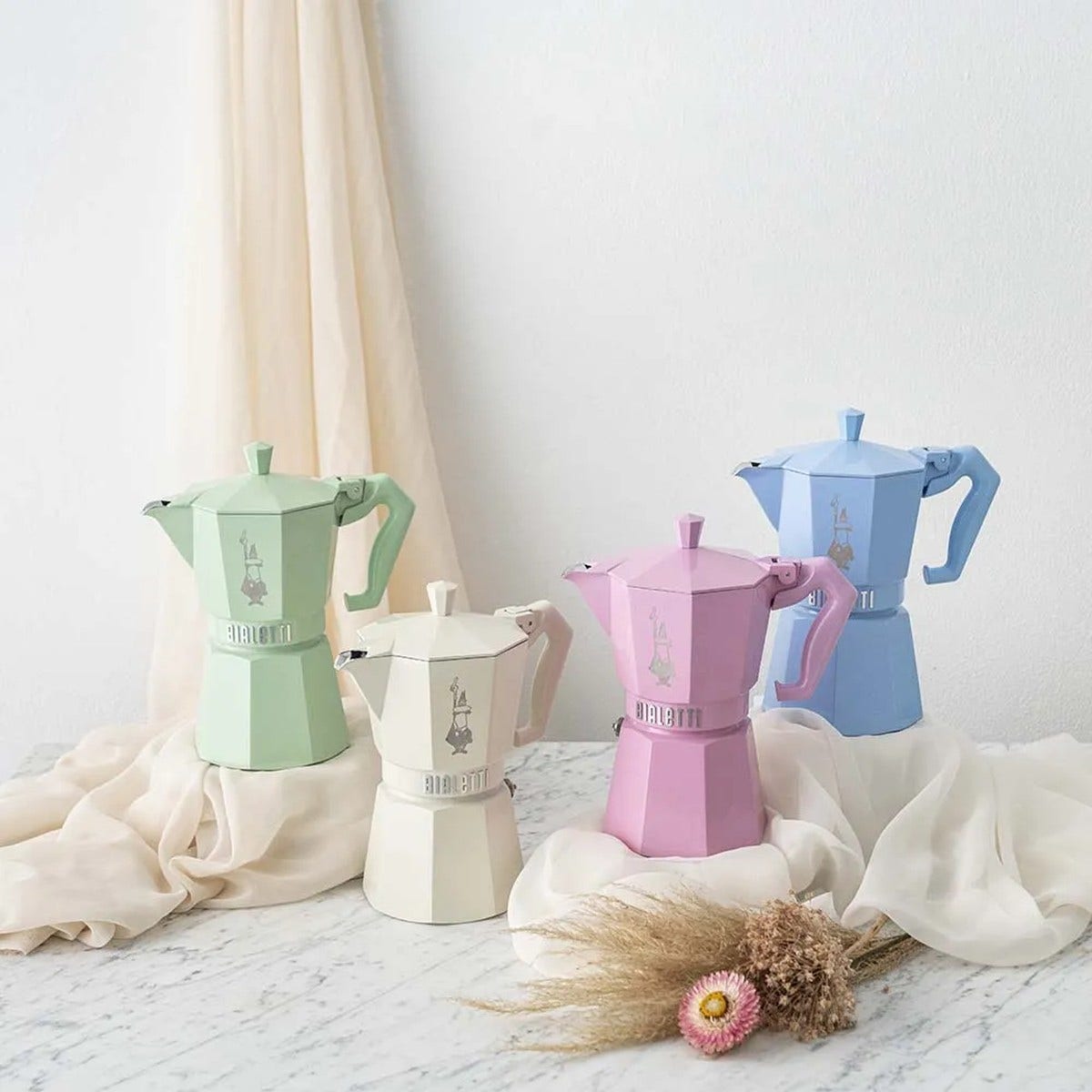
Bialetti
The Italian foundry that put espresso on the stovetop. Since Alfonso Bialetti cast the octagonal aluminum Moka Express in 1933, its little mustached man has brewed billions of cups the same way — steam pressure pushing water up through the grounds — and the range now runs from that classic pot to induction-ready steel.
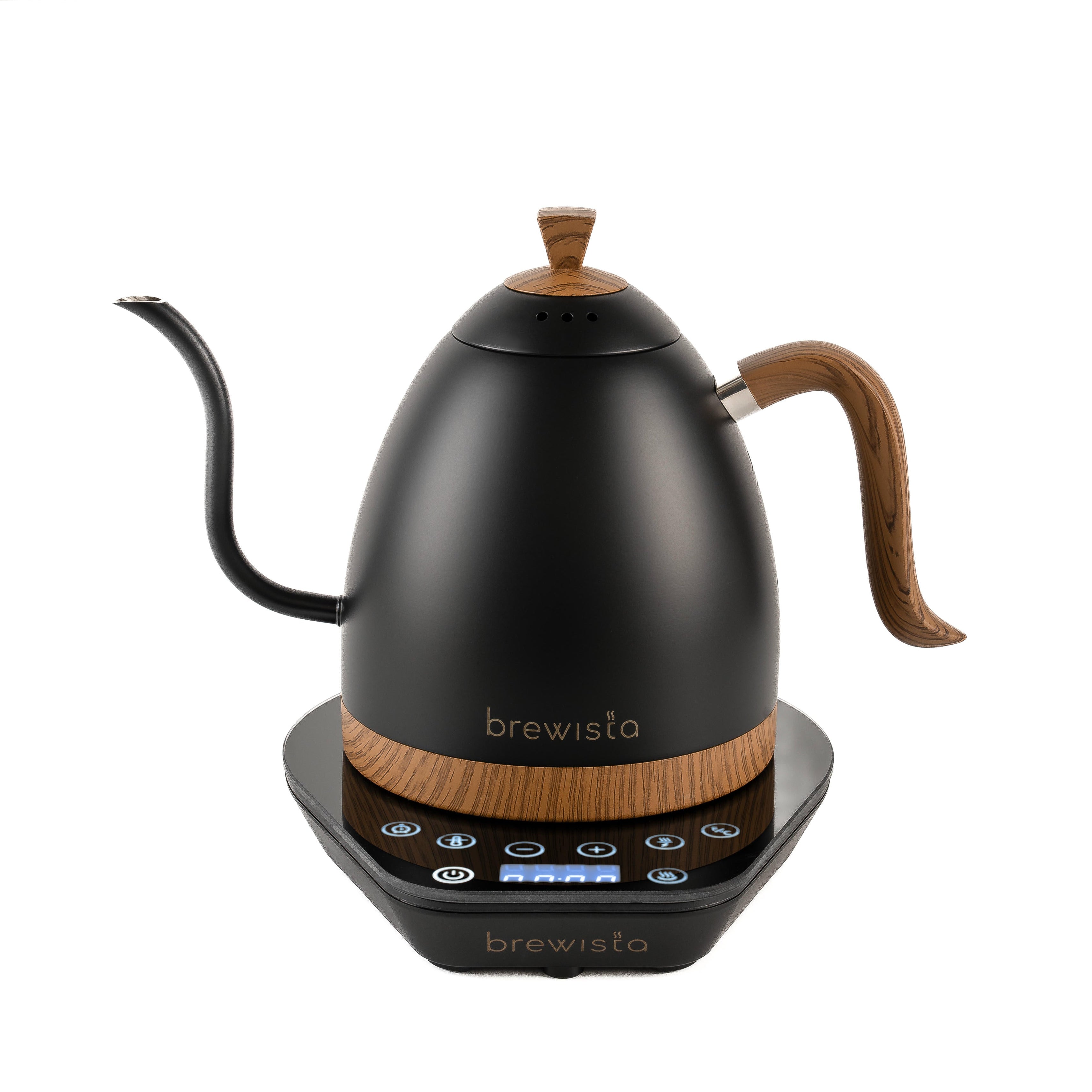
Brewista
Brewista designs precision brewing gear developed in-house and with competition baristas. Its variable-temperature gooseneck kettles offer degree-by-degree control and its scales resolve to a tenth of a gram, targeting exacting pour-over and espresso workflows.
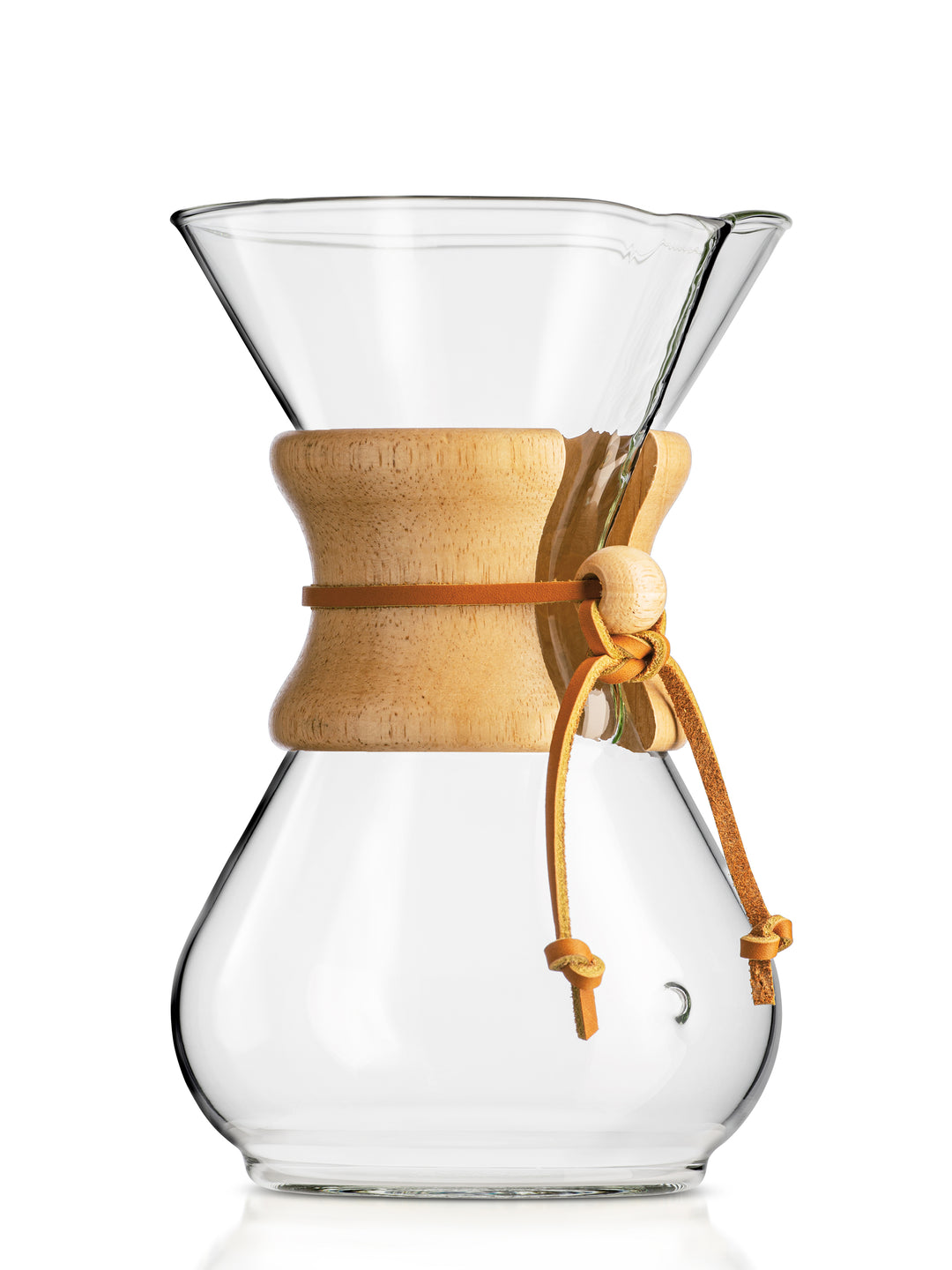
Chemex
Invented in 1941 by chemist Dr. Peter Schlumbohm, the Chemex is an iconic hourglass-shaped pour-over carafe made from non-porous borosilicate glass, so it brews without imparting any flavor of its own. Its proprietary thick bonded filters strip out fats, oils, bitters, and sediment for a strikingly clean, clear cup — a design in the permanent collection of the Museum of Modern Art.
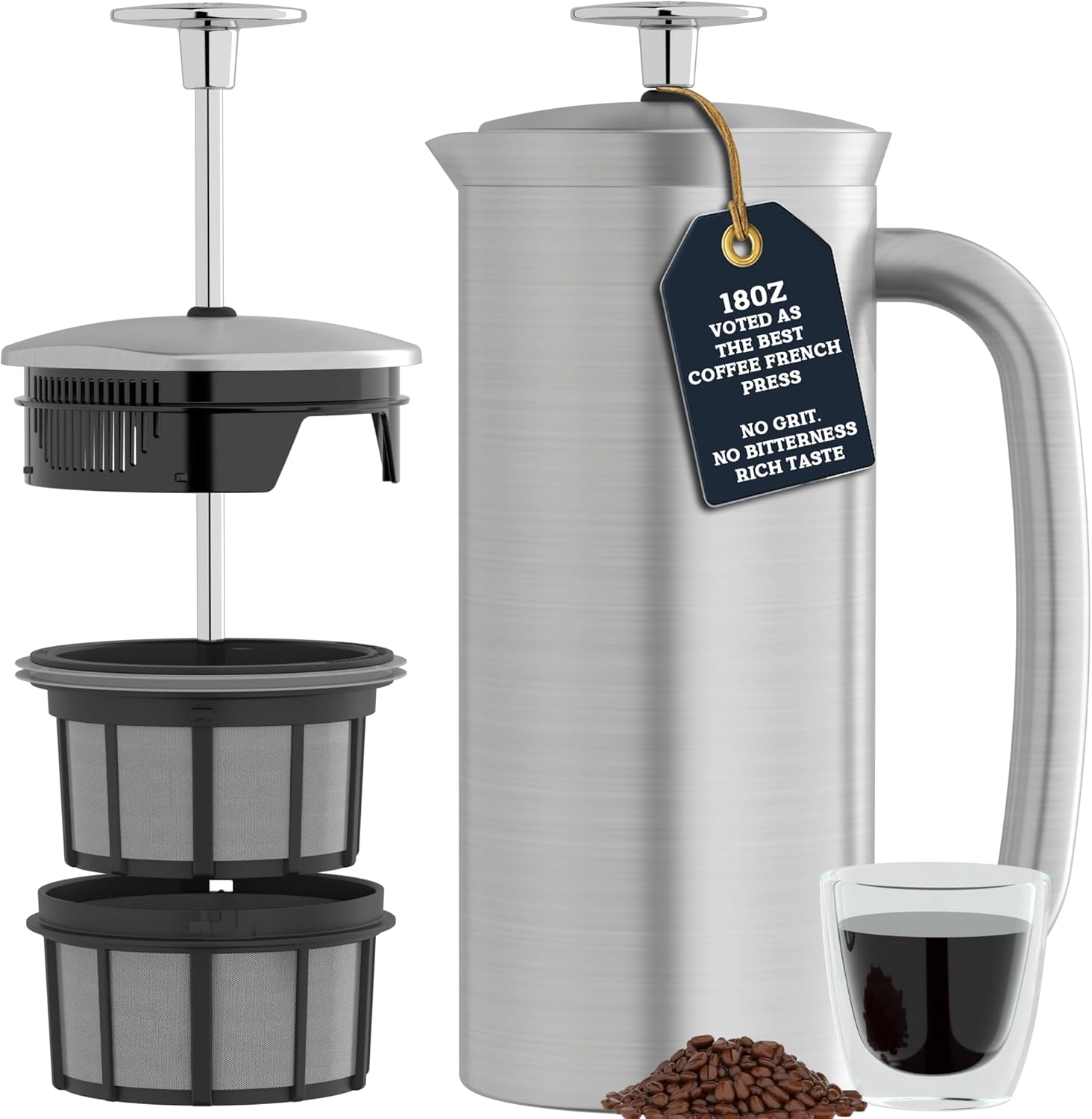
Espro
Espro builds French presses around a patented double micro-filter that strains twice as fine as a standard press, catching the fine grounds and oils that make ordinary press coffee muddy. The result is a full-immersion cup that comes out clean and grit-free, and their vacuum-insulated travel presses bring the same filtration on the go.
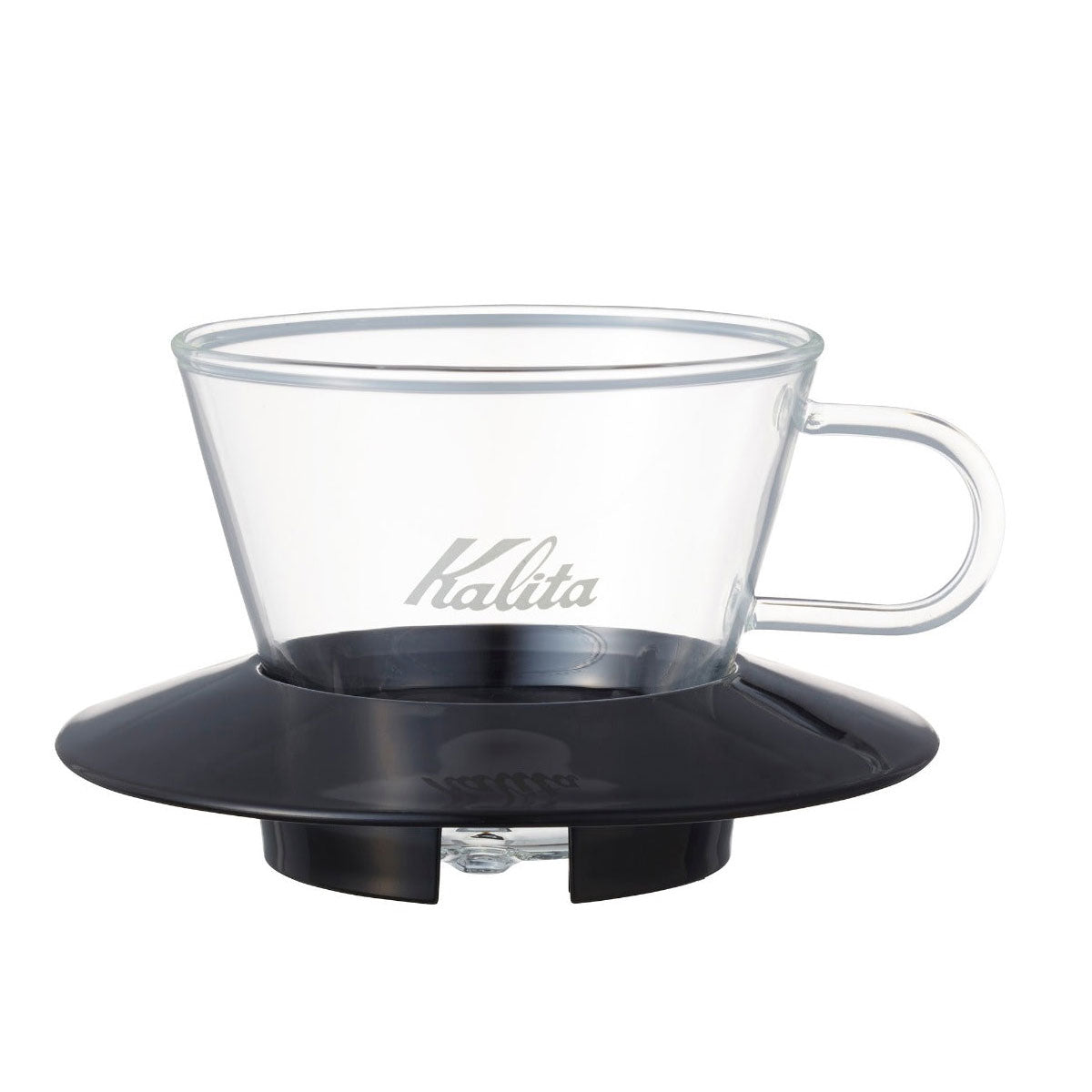
Kalita
The Japanese house behind the flat-bottom pour-over. Kalita's Wave dripper uses three drainage holes and a ridged, wavy paper filter that limits contact with the brewer and keeps water from pooling. The result is an even, forgiving extraction that stays repeatable even when your pour isn't perfect.
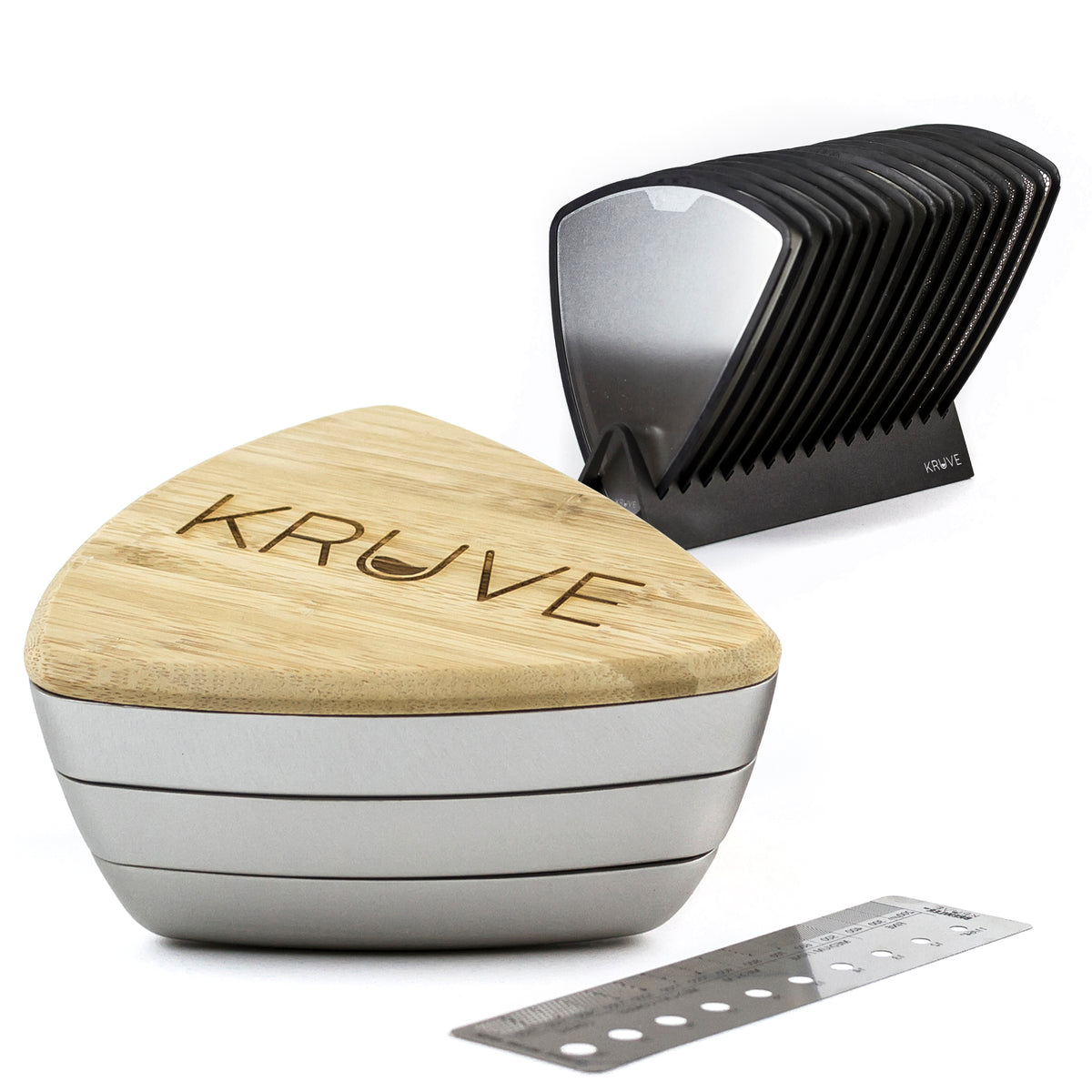
Kruve
Kruve is a Toronto coffee-tools company that puts a number on the invisible variables. Its sifters sort grounds by particle size in microns, its Brewler quantifies grind, and its EQ glassware is shaped like an equalizer to tune what lands on the palate.
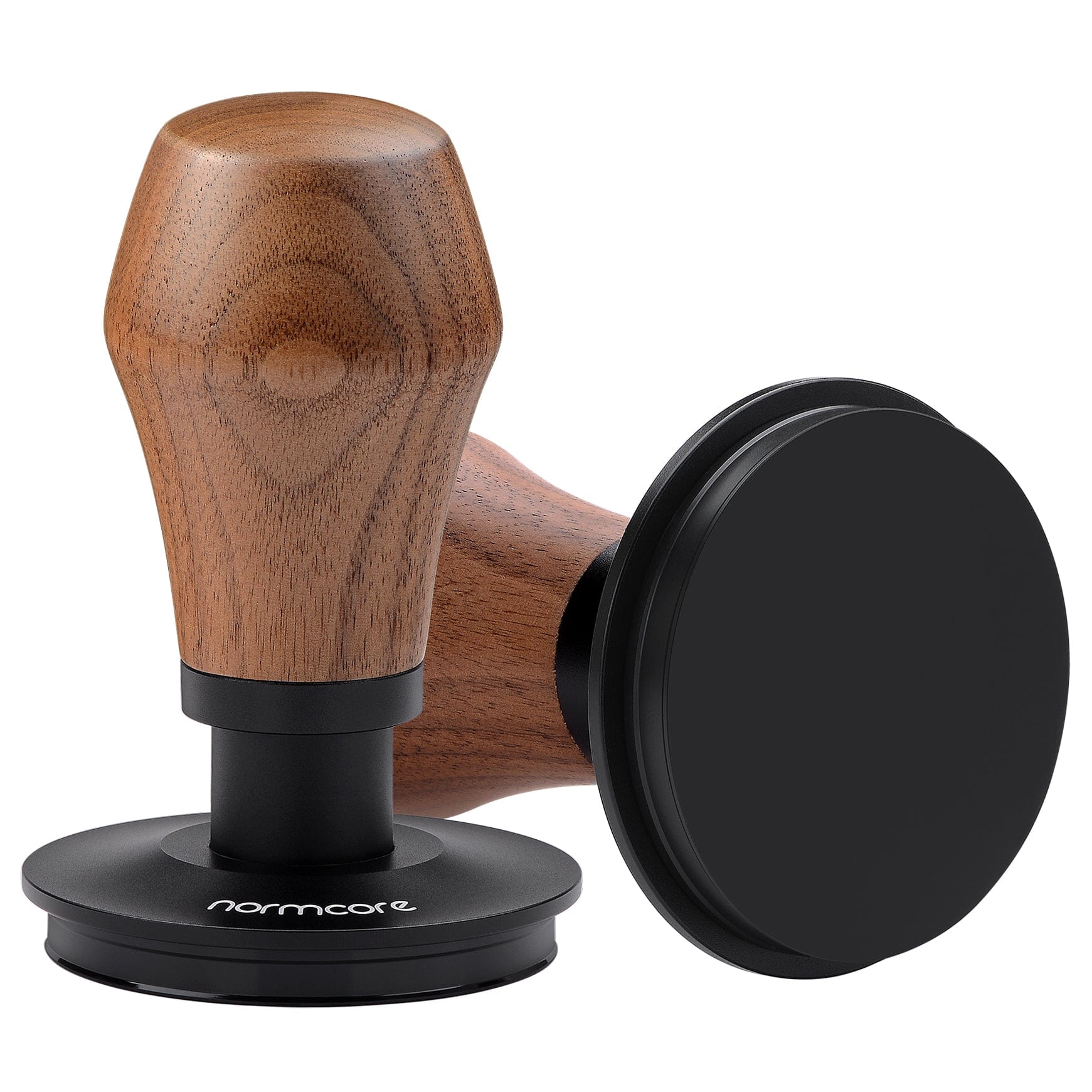
Normcore
Normcore builds precision espresso hardware around a slightly oversized 58.5mm standard for a snug fit in 58mm baskets. Machined tampers, distributors, WDT tools and puck screens deliver prosumer consistency at prices well below premium rivals.
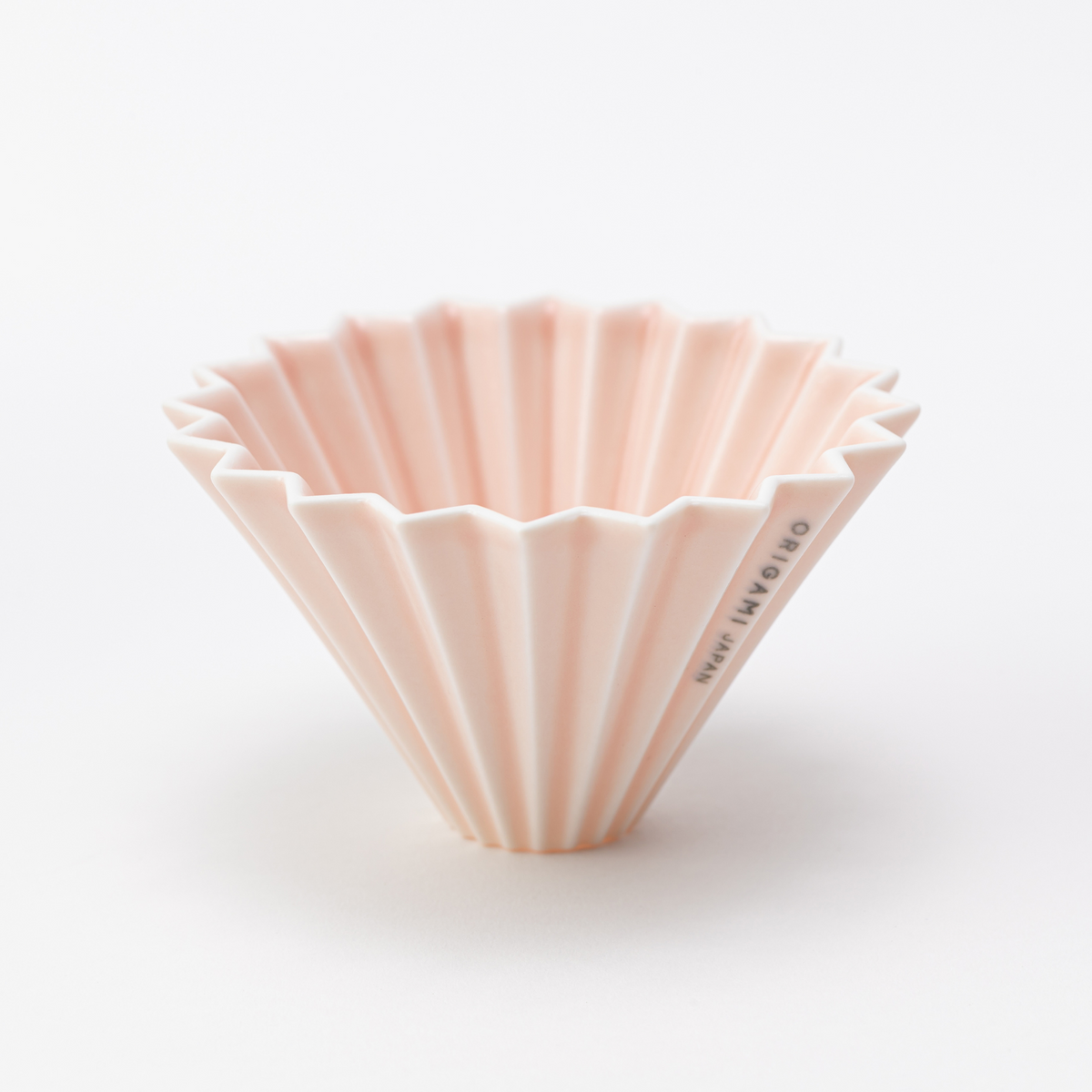
Origami
The Japanese house behind the colorful fluted pour-over, crafted in Mino, Gifu from Minoyaki porcelain — a ceramic tradition four centuries old. Its signature dripper has 20 vertical flutes that lift the paper off the wall for even airflow, and it accepts both cone and flat-bottom Kalita Wave filters, so one brewer adapts to your recipe. High-conductivity porcelain has made it a fixture on the World Brewers Cup stage.
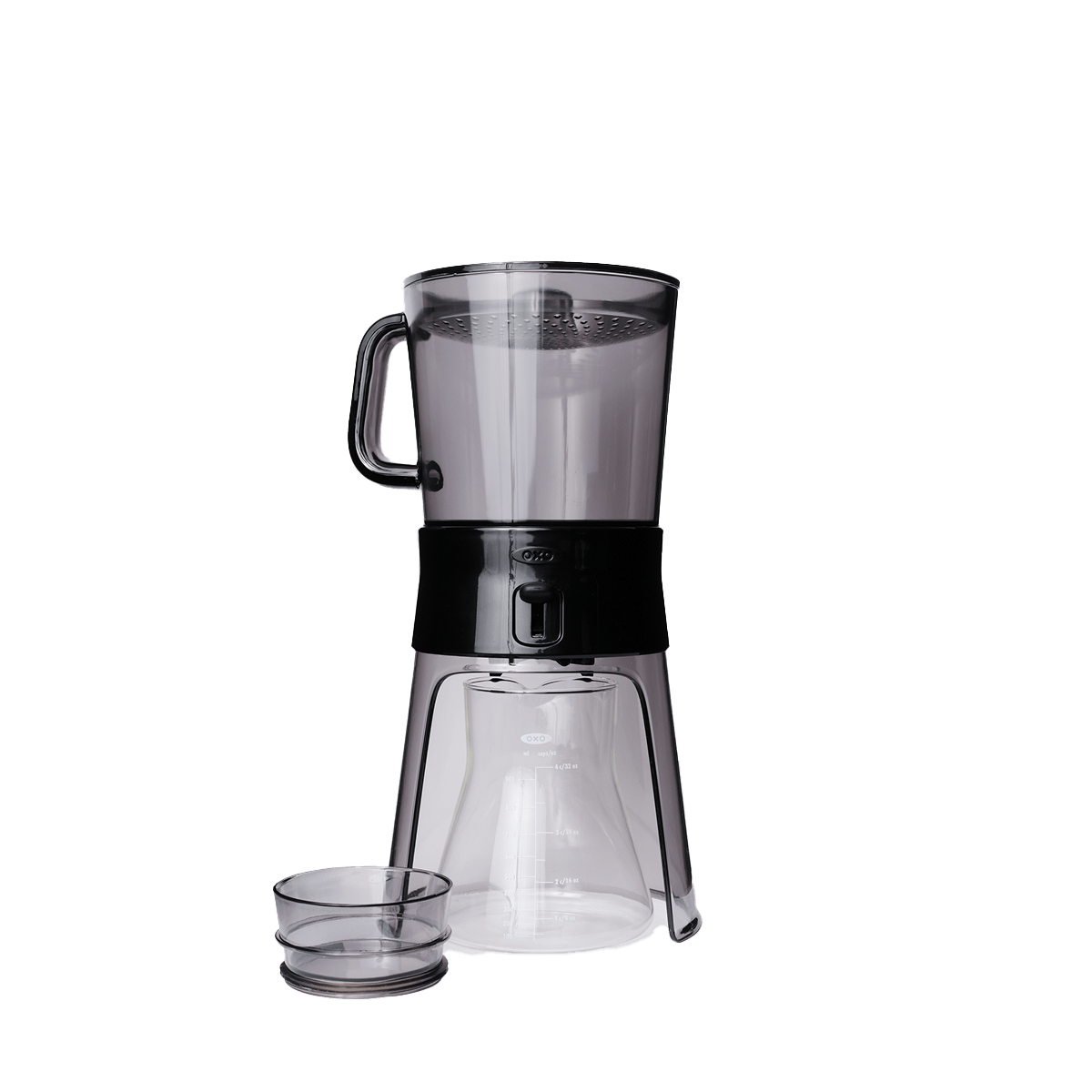
OXO
OXO Brew makes approachable, well-engineered coffee gear rooted in the brand's universal-design ethos, where comfortable handles and intuitive controls make good brewing easy for everyone. The Brew line spans cold brew makers, pour-over drippers, adjustable-temperature gooseneck kettles, and precision scales — dependable everyday equipment built to turn careful technique into a repeatable cup.
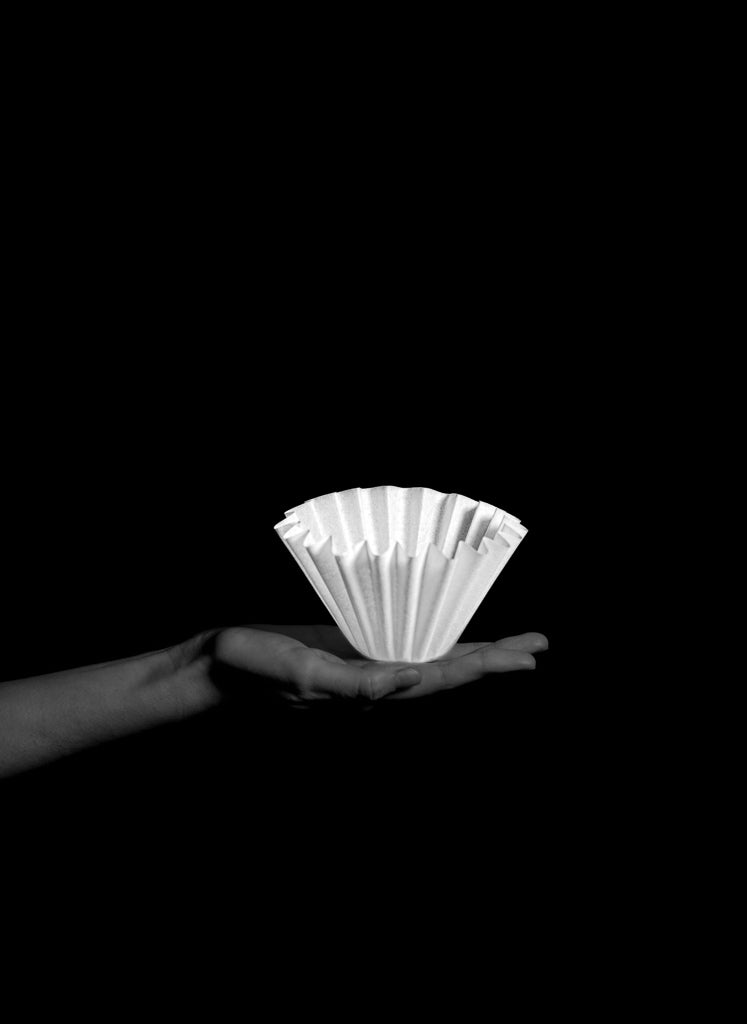
Sibarist
The Barcelona maker that reinvented the pour-over filter around speed. Sibarist produces its FAST Specialty Coffee Filters from organic fibers in Spain, engineering a permeable structure that draws down up to 40% faster than commercial papers for a cleaner, silkier cup and new room to dial in recipes.
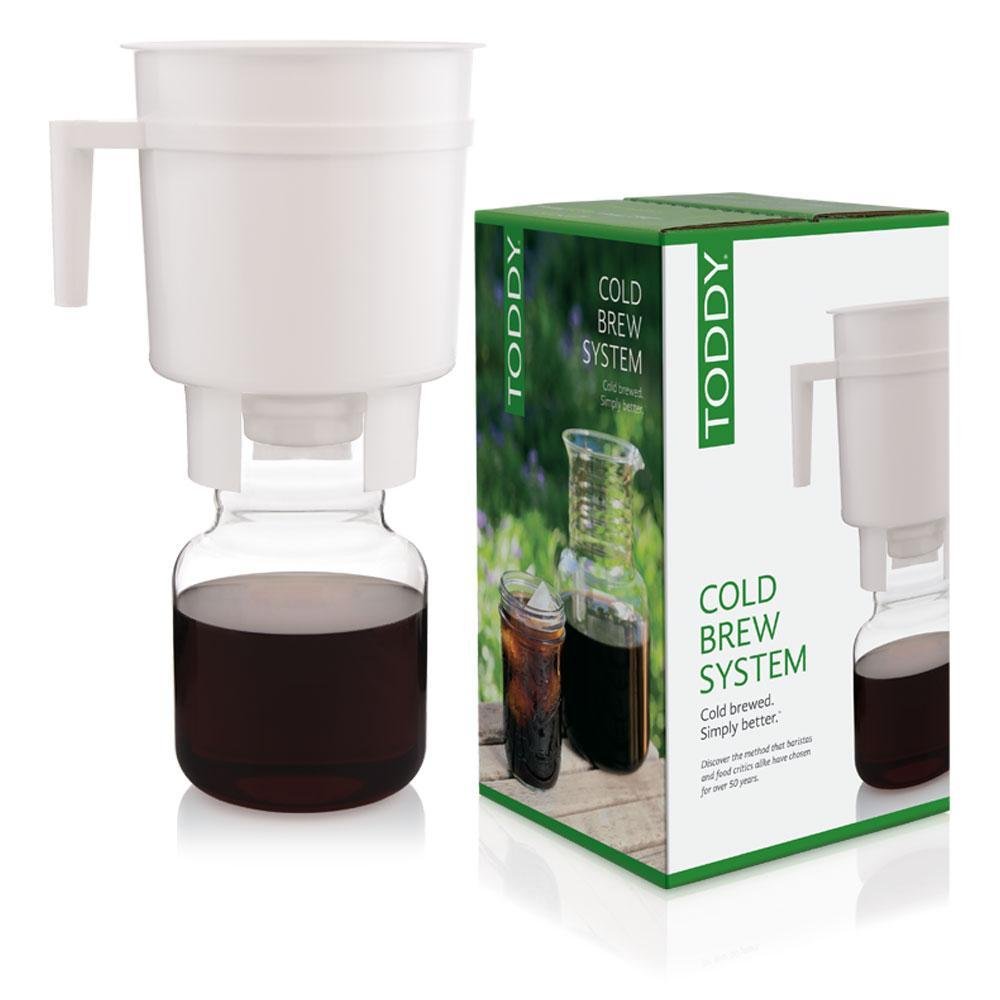
Toddy
Toddy invented cold brew in 1964 and still builds its whole system around it. A patented cold-water extraction process pulls out coffee's flavor while leaving most of the acid behind, yielding a smooth, low-acid concentrate you dilute to taste. From a countertop home brewer to full commercial rigs, every Toddy chases the same rich, mellow cup.