Gear
The grinders, machines and brewing kit behind the cup
Espresso machines
38
RUNNNN
Hand-pumped pneumatic espresso, built to pack. The UPHOT and UPTANK makers, the UPVOID grinder, and the pumps and tampers that go with them.
Flair Espresso
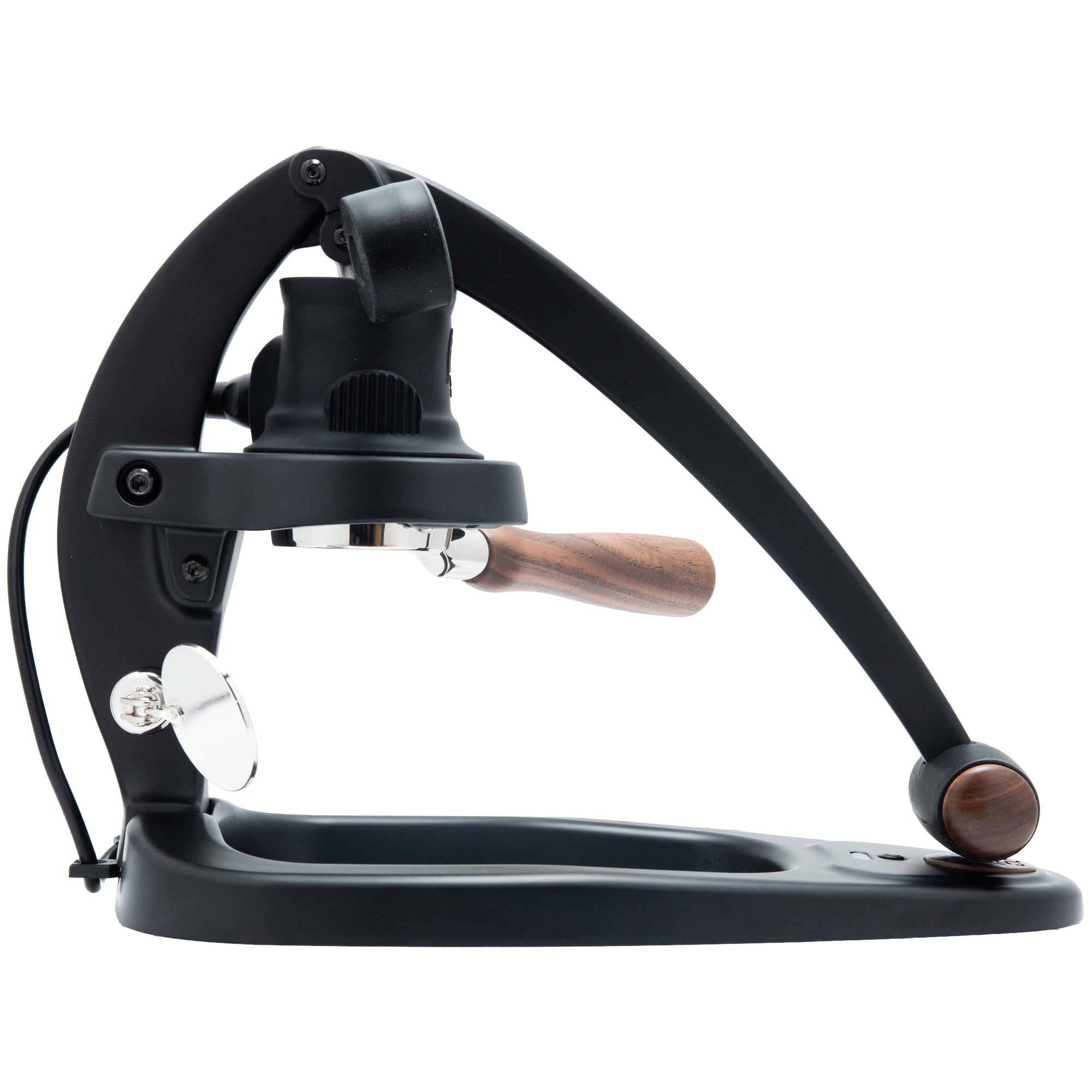
Flair Espresso builds all-manual lever presses that pull a shot by hand — no pump, no boiler, no electronics in the brew path. You preheat the group, load the portafilter, and drive the piston yourself while an integrated gauge reads pressure in real time, so extraction is felt and dialed rather than automated.
Bezzera
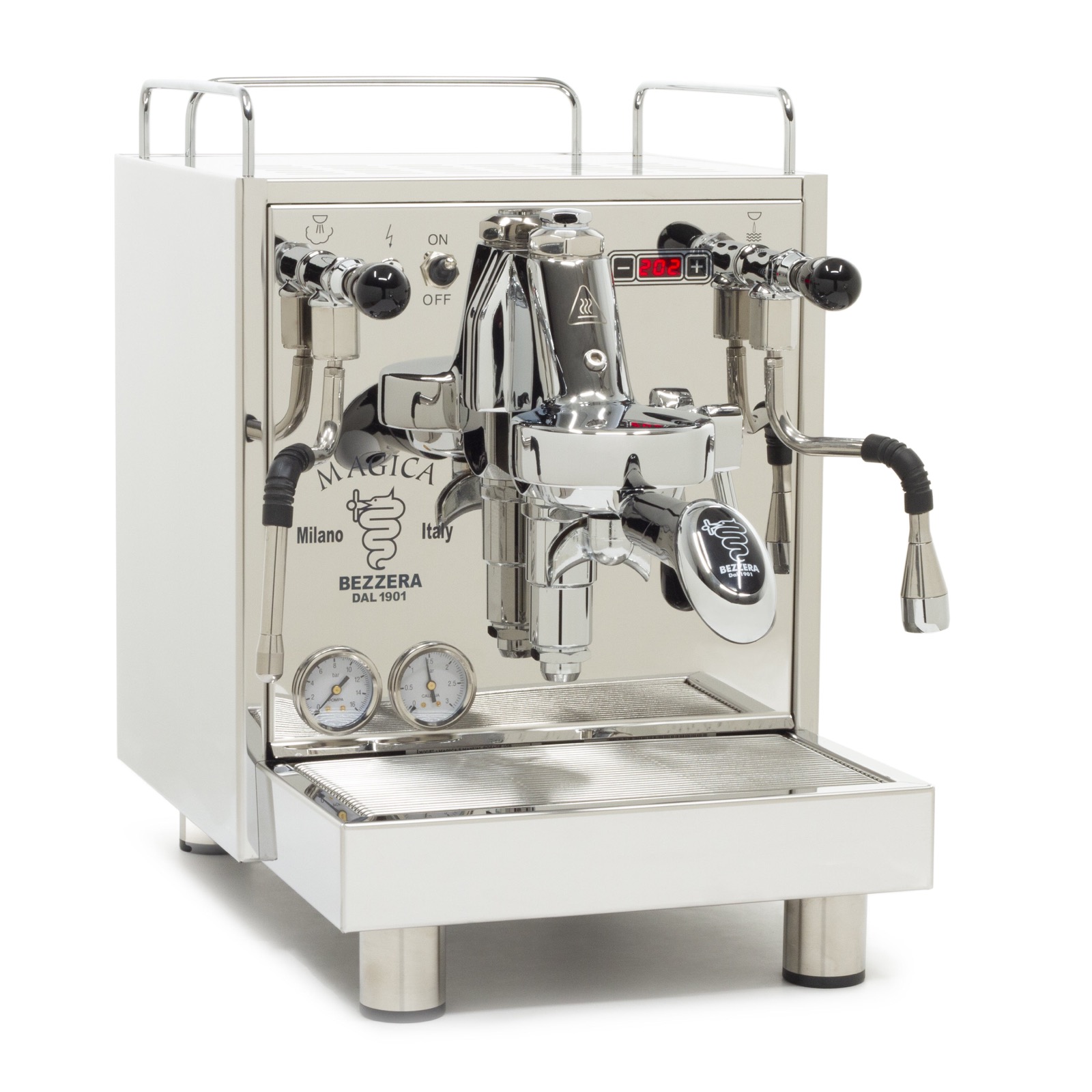
The Milanese house where espresso itself began: in 1901 Luigi Bezzera patented the first espresso coffee machine, giving Italy a new way to drink coffee. Still a fully Italian manufacturer, Bezzera has built professional and semi-professional machines for over a century, now from its facility outside Milan.
Breville
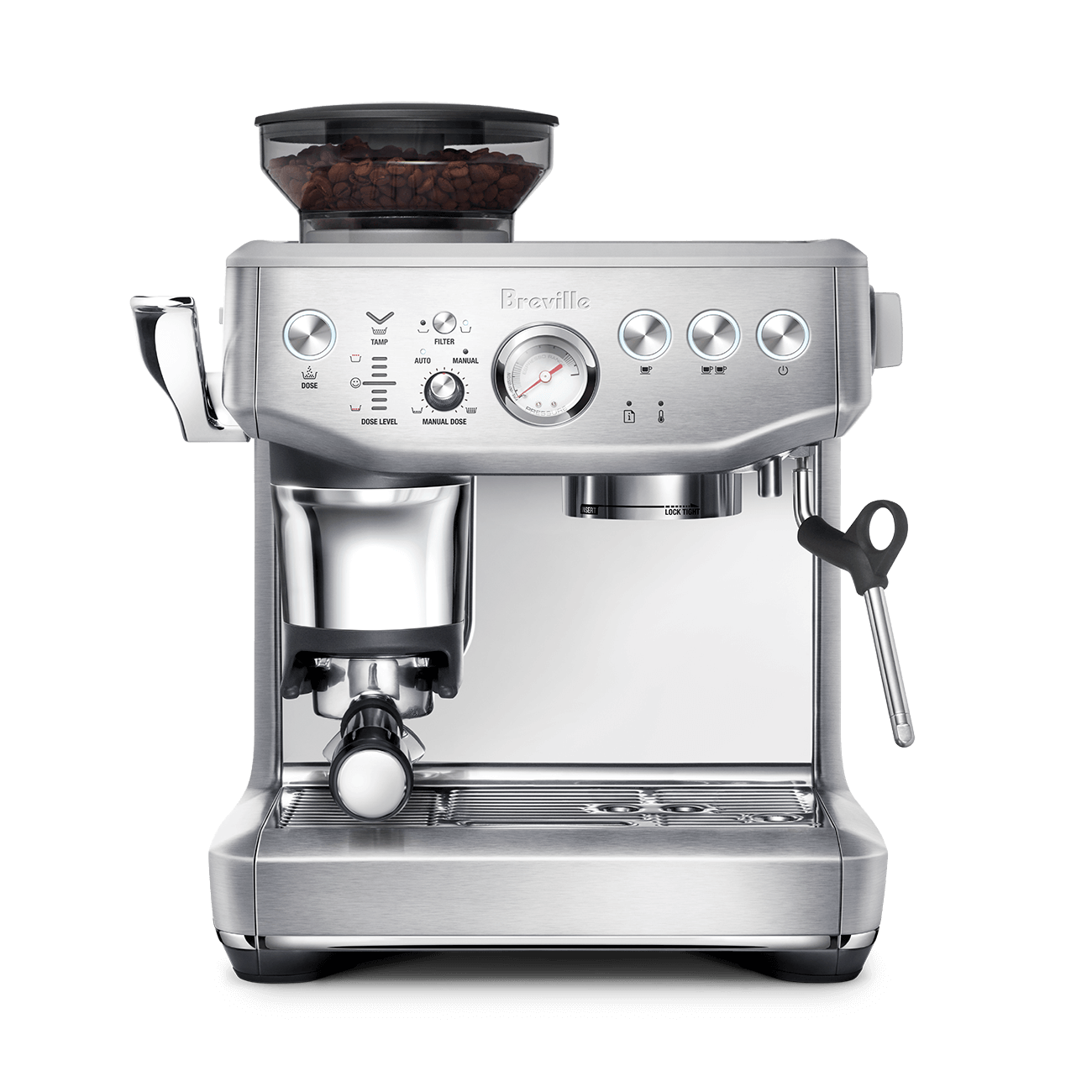
Breville engineers approachable espresso machines that automate the fussy parts — dosing, tamping, and milk texturing — with systems like the Impress Puck and ThermoJet heating. From the pocket-sized Bambino to the touchscreen Oracle line, every model aims to put third-wave cafe results within reach at home.
Decent Espresso
Pressure-and-flow-profiling machines with a touchscreen and open data — the DE1 line.
La Marzocco
Florence, 1927. The machines behind the modern café — handmade, dual-boiler, and built to outlive trends. The home line brings the same group to your counter.
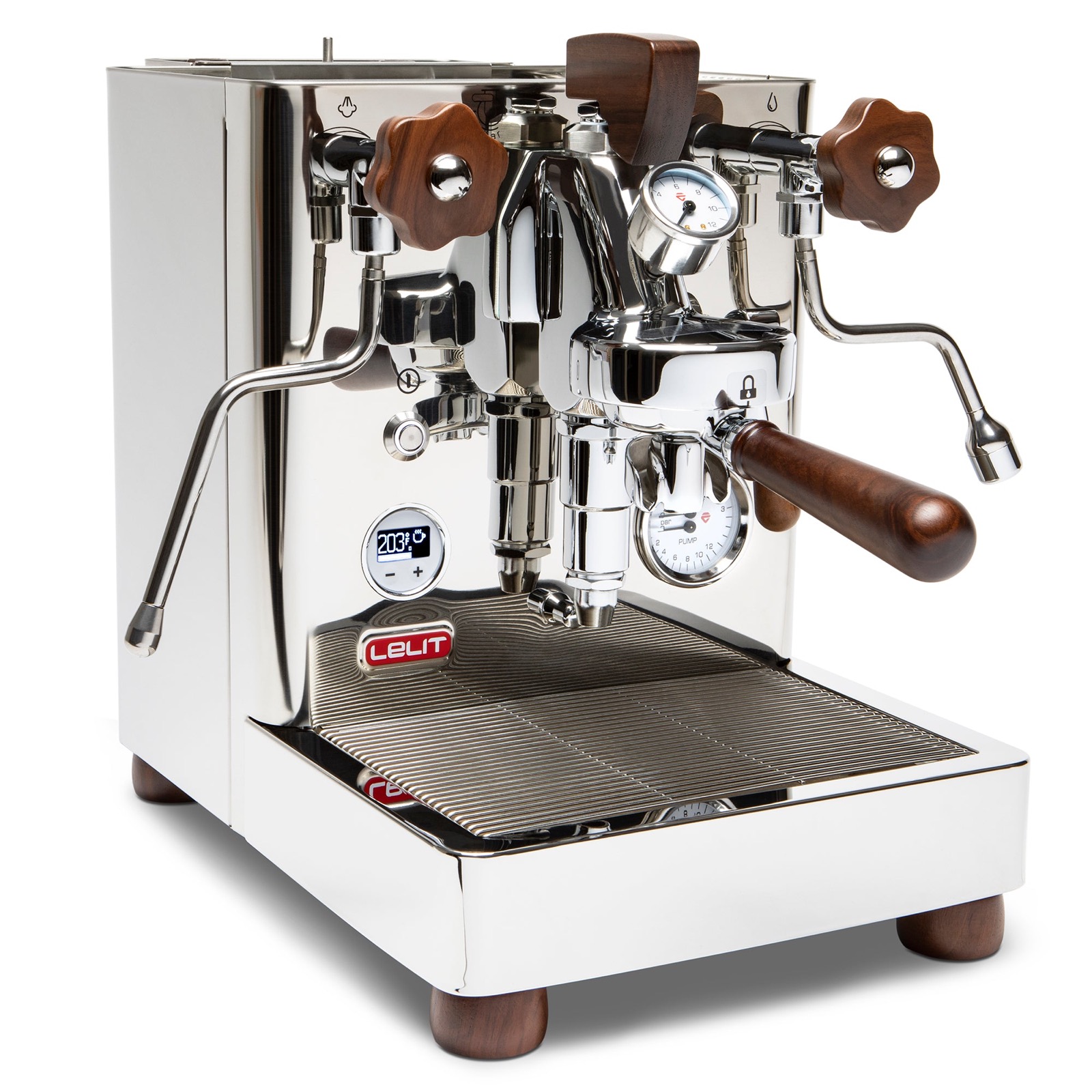
Lelit
Lelit is an Italian manufacturer founded in 1986 near Brescia that became a prosumer benchmark with the arrival of the Bianca in 2017. Every machine is designed and assembled at its northern-Italian factory. Since 2022 Lelit has been part of the Breville Group while continuing to manufacture in Italy.
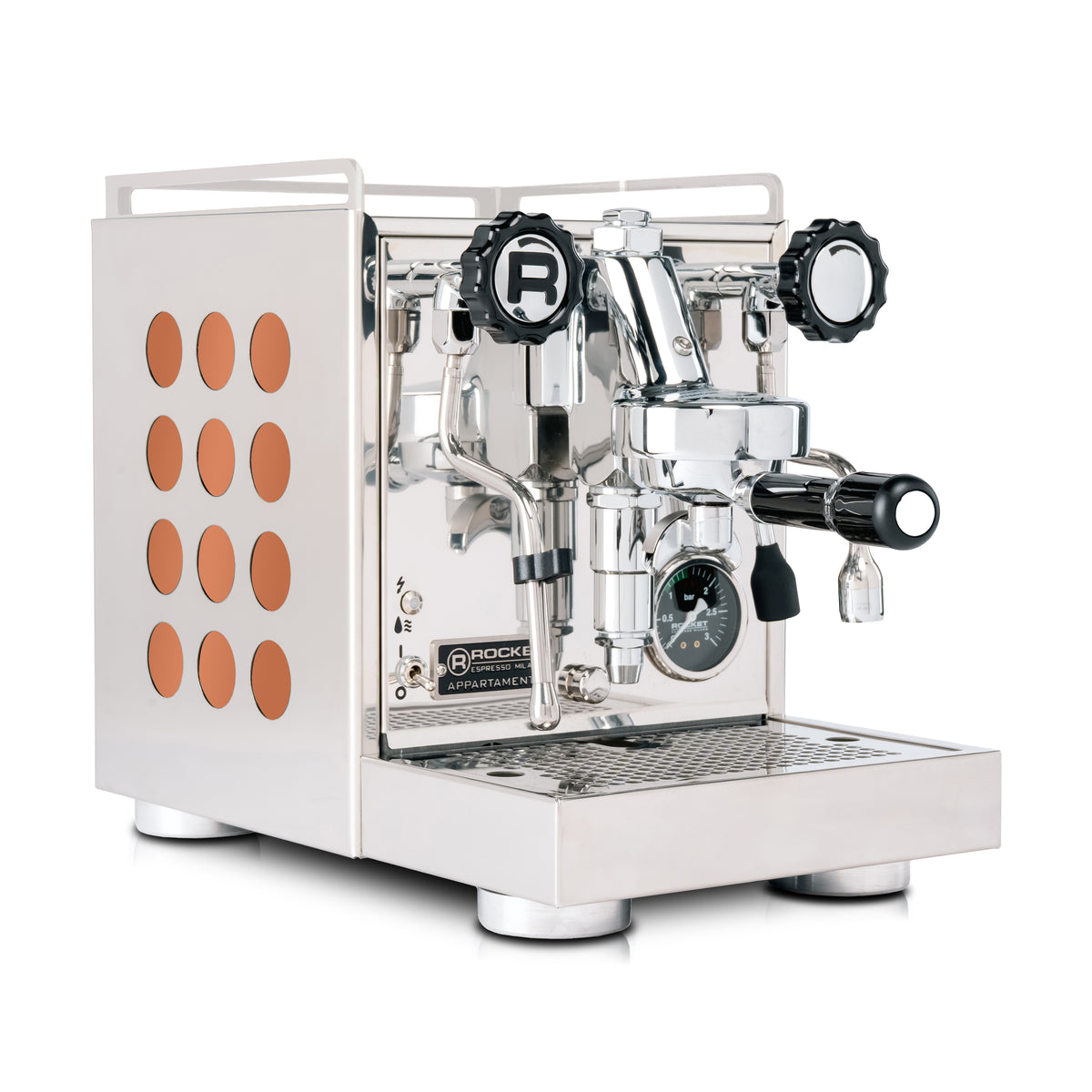
Rocket Espresso
A Milan workshop hand-building prosumer espresso machines, born from the historic partnership behind ECM and Rocket. Every machine is assembled by hand in Italy around the iconic E61 brew group, wrapped in polished stainless steel. From the compact Appartamento to the flagship R Nine One, the range is a fixture of the specialty home-barista world.
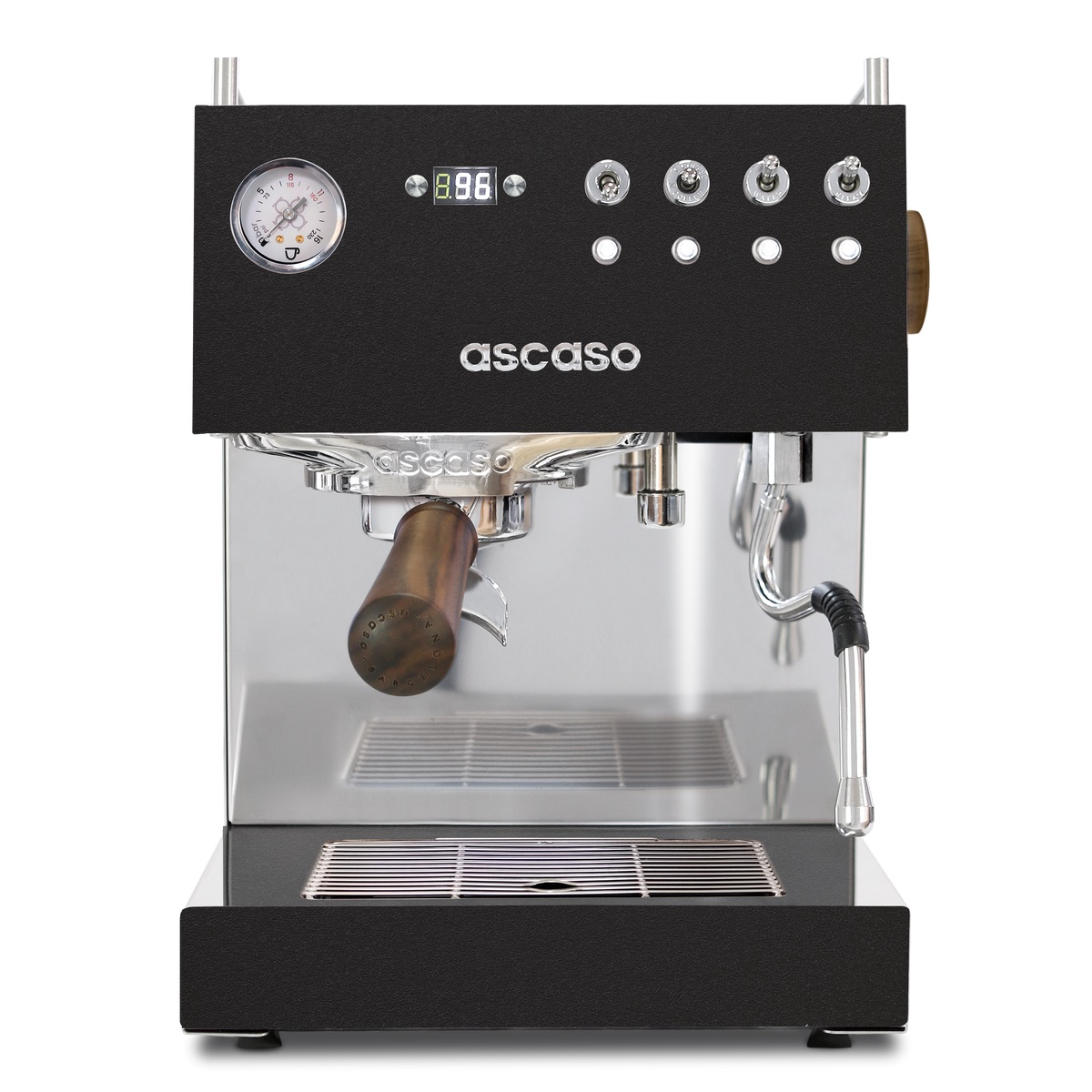
Ascaso
A Barcelona workshop building design-forward, prosumer espresso machines that pair PID temperature control with interchangeable colored panels, so precision and personality share the same countertop. From the compact Dream PID to the dual-thermoblock Steel DUO and the saturated-group Baby T, every Ascaso is engineered to hold temperature within a degree while looking like nothing else on the bar.
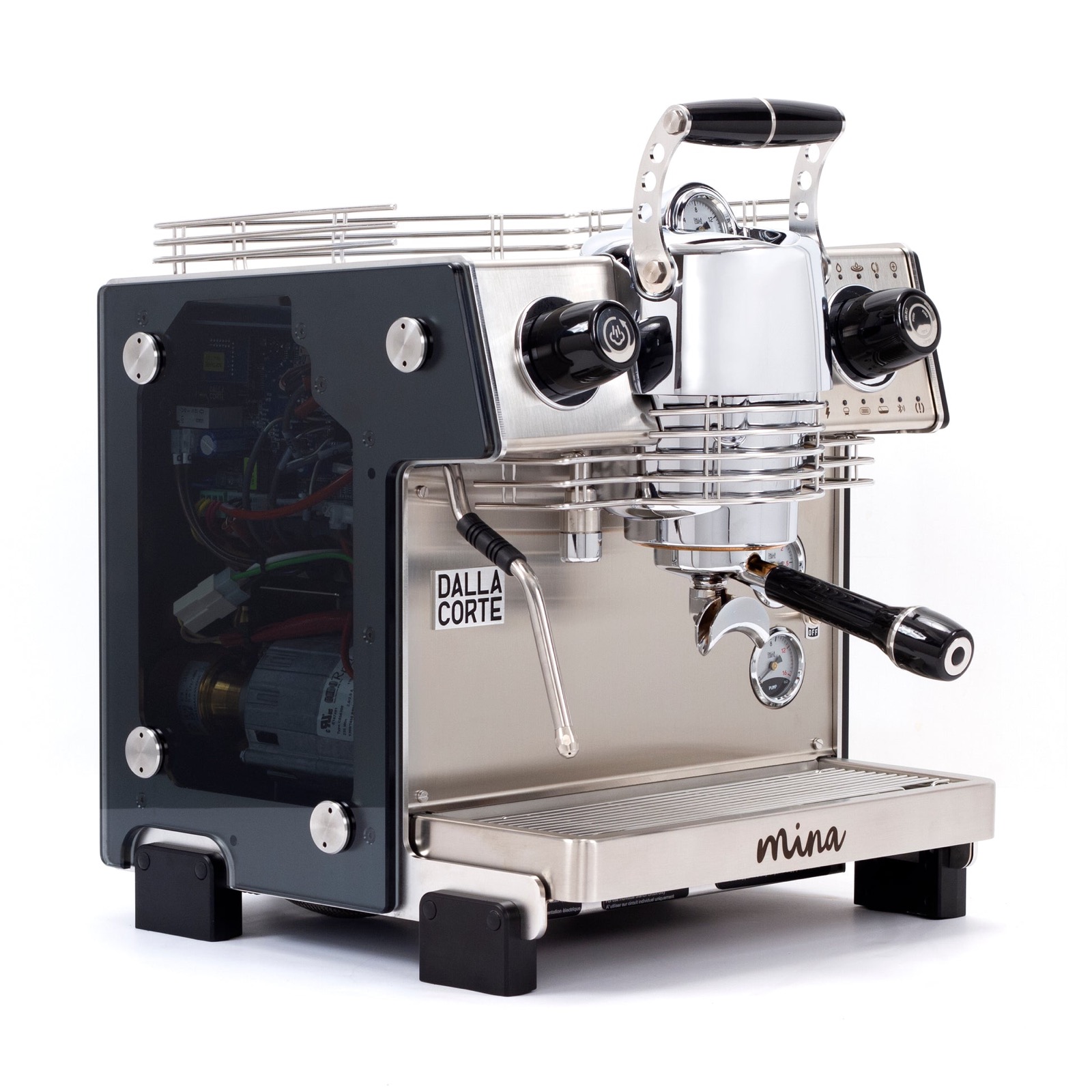
Dalla Corte
Dalla Corte was founded in 2001 near Milan by siblings Paolo and Elsa Dalla Corte with their father Bruno, a veteran of the espresso industry since the 1940s. The company pioneered independent multi-boiler technology, giving each brew group its own PID-controlled boiler so water is never shared between groups — a signature that runs from its compact Mina to its commercial Zero, XT, and Icon machines.
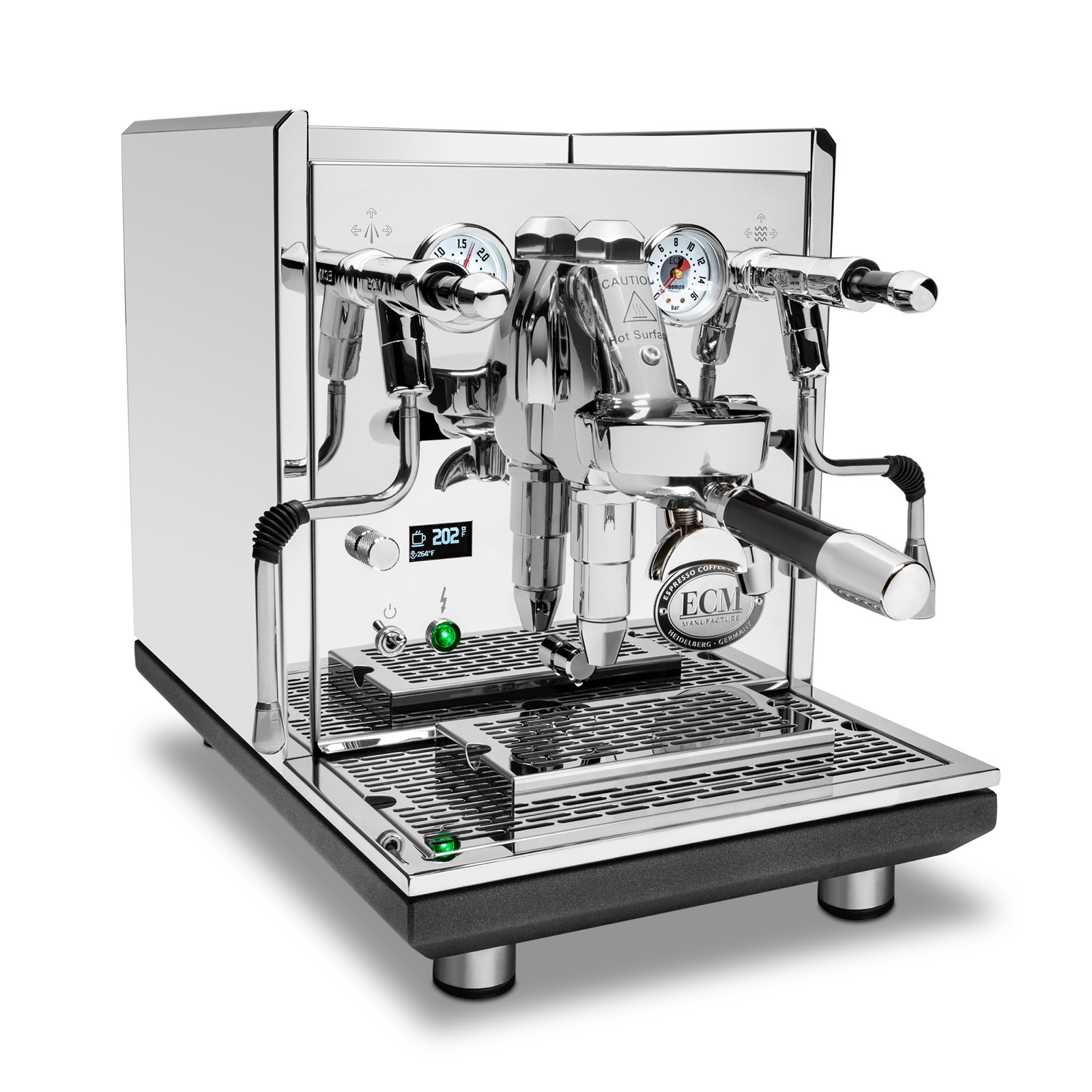
ECM
ECM (Espresso Company Milano) hand-builds prosumer espresso machines near Heidelberg, Germany — a family business now in its second generation and sister company to Profitec. Known for chrome-heavy stainless builds, the classic E61 group, and rock-solid engineering, its lineup runs from compact single boilers to the dual-boiler Synchronika flagship.
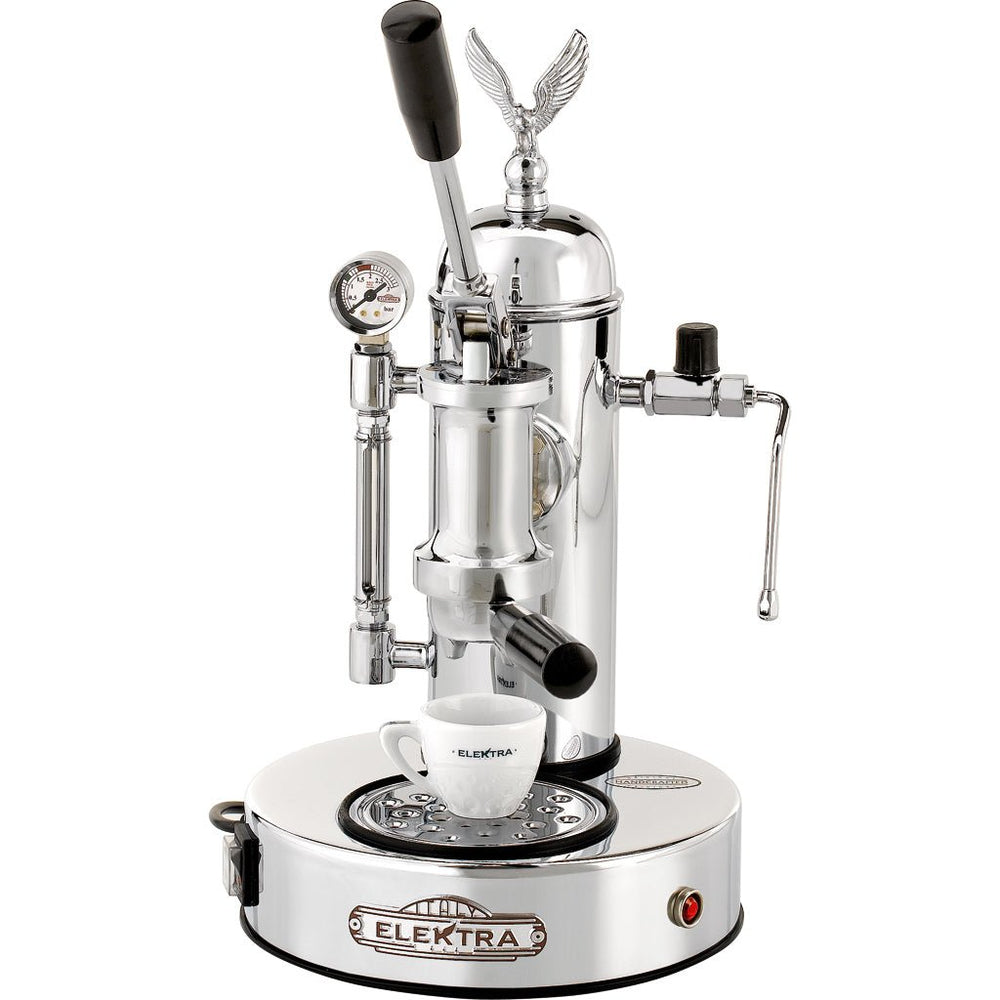
Elektra
Elektra has been building espresso machines in Treviso, Italy since 1947, best known for the ornate chrome-and-brass Micro Casa a Leva spring-lever and the eagle-crowned Belle Epoque. The workshop pairs old-world hand-polished metalwork with modern semiautomatics, so every machine is as much a countertop object as a brewing tool.
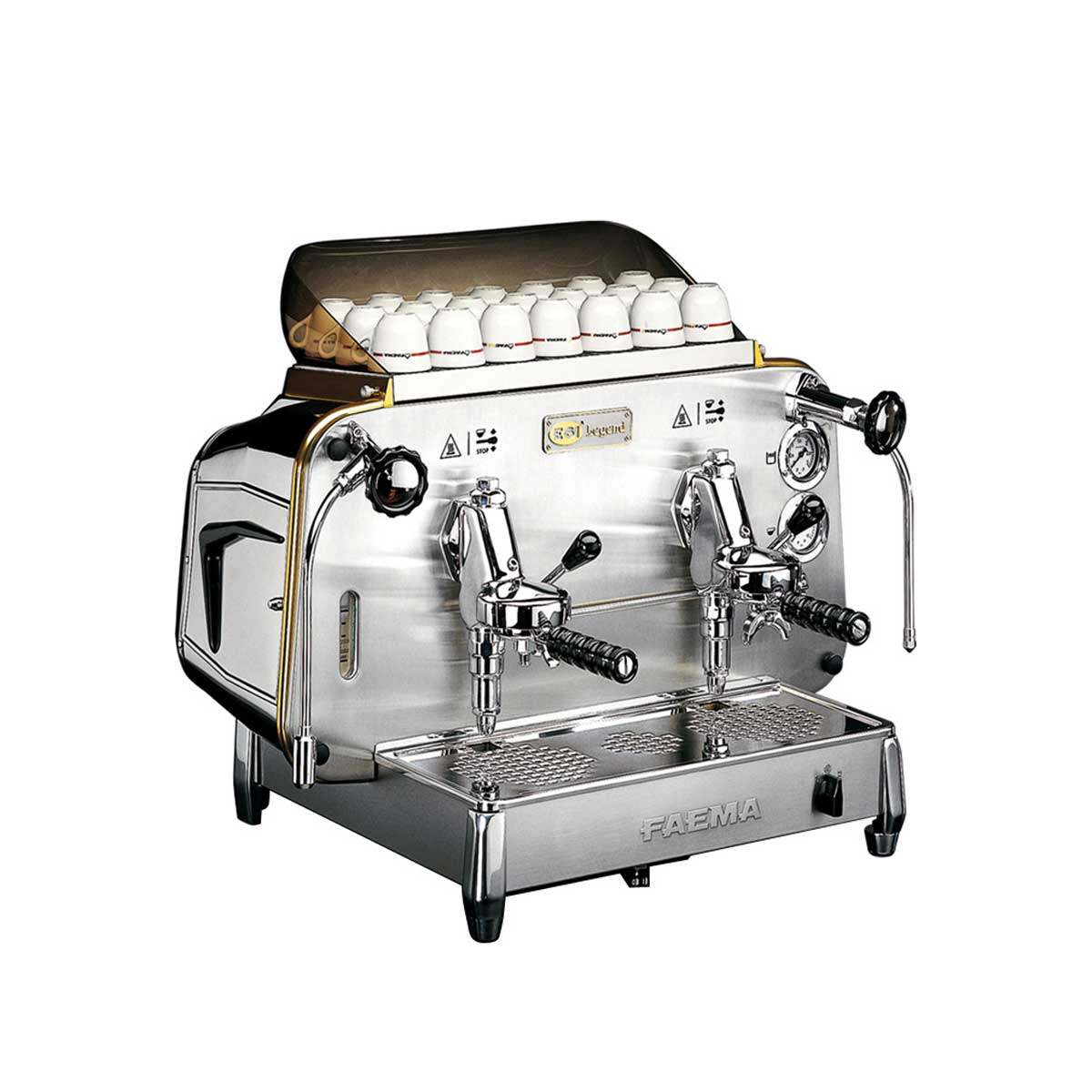
Faema
Founded in Milan in 1945, Faema changed espresso forever with the E61: introduced in 1961, it debuted the E61 group head and a motorized volumetric pump that pushed water through the coffee at a stable 9 bar, replacing the manual lever. Today the brand pairs that commercial heritage with the home-focused Faemina, a compact dual-boiler machine engineered with professional technology.
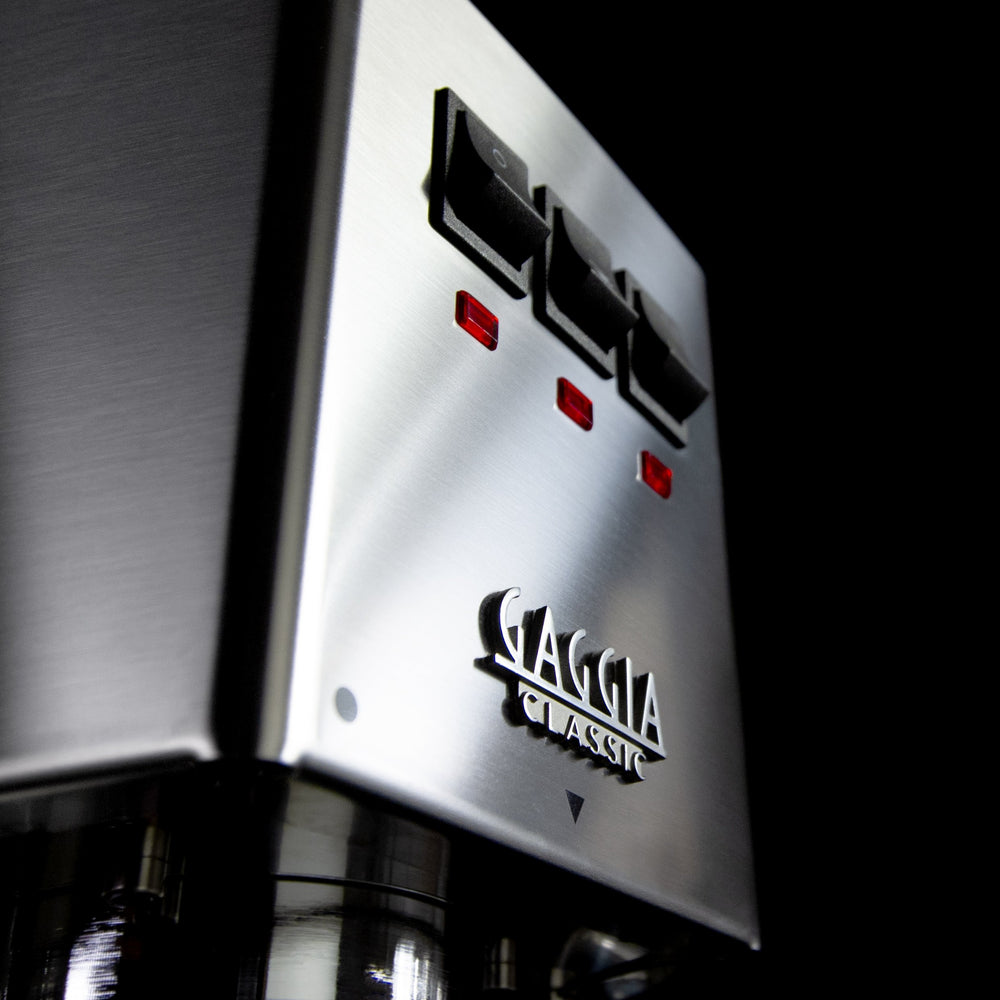
Gaggia
Gaggia is the Milanese house whose founder, Achille Gaggia, patented the piston lever machine in 1938 and commercialized it in 1948 — forcing hot water through the puck at high pressure to create espresso crema for the first time. Today the brand spans the icon Classic Evo Pro alongside a full range of super-automatic machines, carrying that lever-era heritage into everyday kitchens.
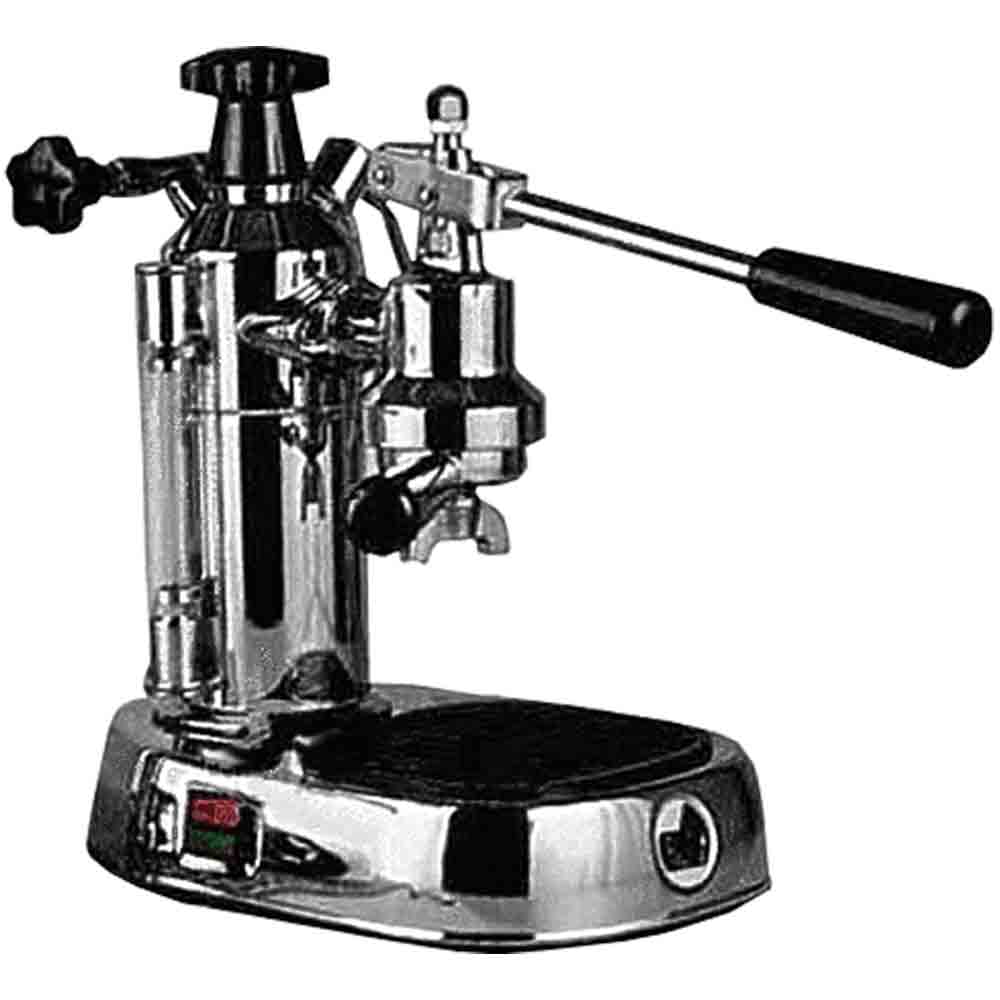
La Pavoni
Founded in Milan in 1905, La Pavoni built the archetype of the hand-pulled espresso machine and still makes it: chrome-and-brass direct-lever machines where you set the pressure yourself, arm on the lever, shot by shot. The Europiccola and Professional have anchored home espresso for six decades, now joined by pump-driven, PID-controlled prosumer machines like the Cellini.
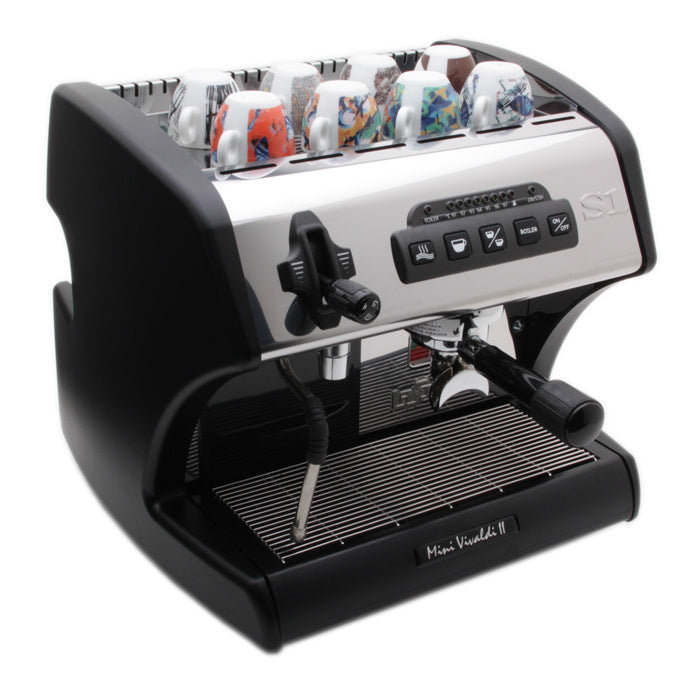
La Spaziale
La Spaziale has built espresso machines in Bologna, Italy since 1969, and remains family-run to this day. Known for its patented steam-circulation heat exchange and a distinctive 53mm portafilter, its lineup runs from the S1 Mini Vivaldi II prosumer machine to the S-series machines found in cafes worldwide.
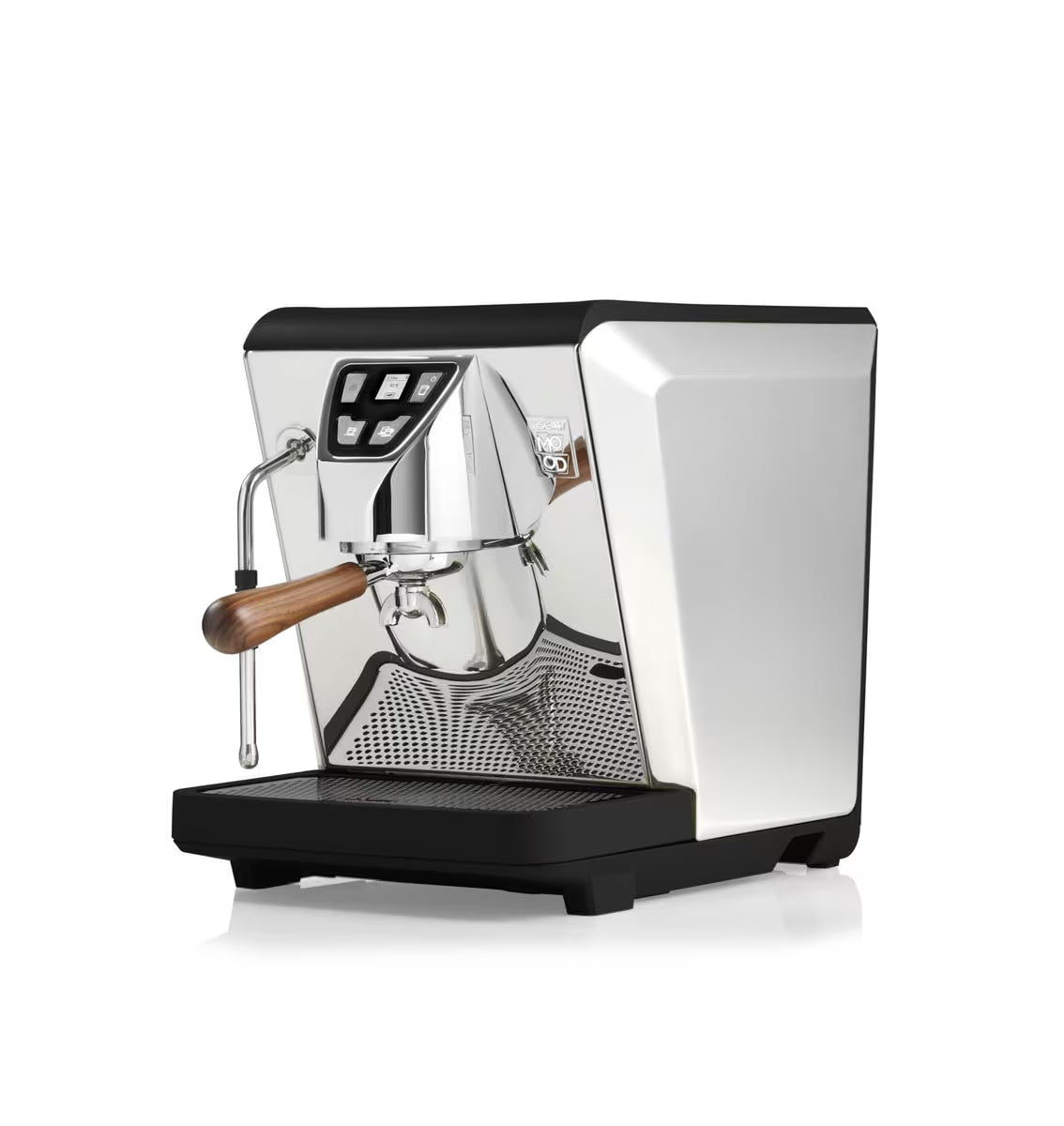
Nuova Simonelli
Nuova Simonelli has built professional espresso machines in Tolentino, Italy since 1936, and serves as the official equipment sponsor of the World Barista Championship. Its lineup runs from single-group prosumer machines with PID temperature control to high-volume commercial flagships with Pulse-Jet extraction and touchscreen control.
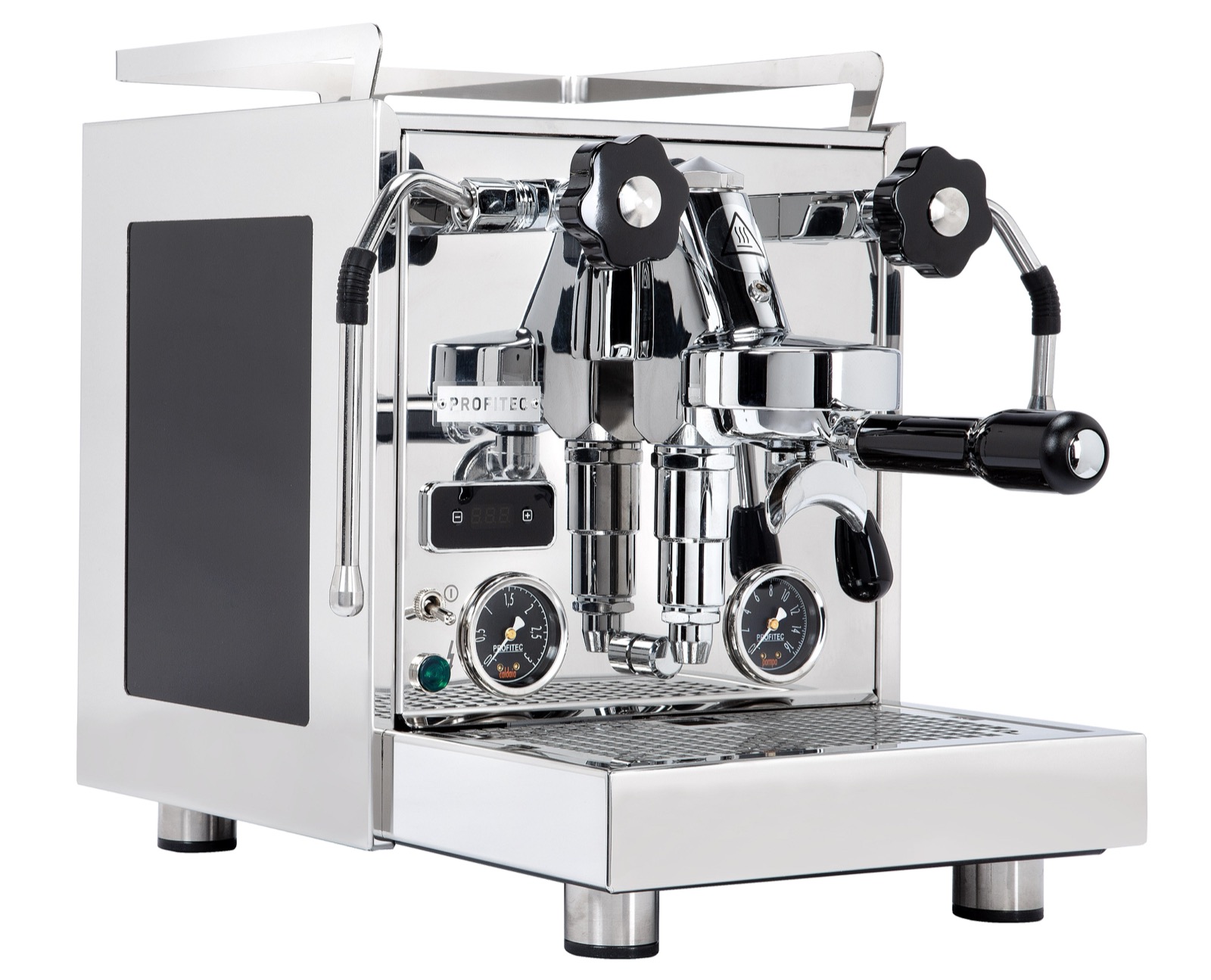
Profitec
A German engineering house based in Bammental, Profitec builds its prosumer espresso machines in Germany with an emphasis on clean stainless-steel form and precise, user-friendly control. Its lineup pairs classic E61 group heads and PID temperature management with dual-boiler and heat-exchange architectures, from compact reservoir machines to plumbable, rotary-pump flagships.
Quick Mill
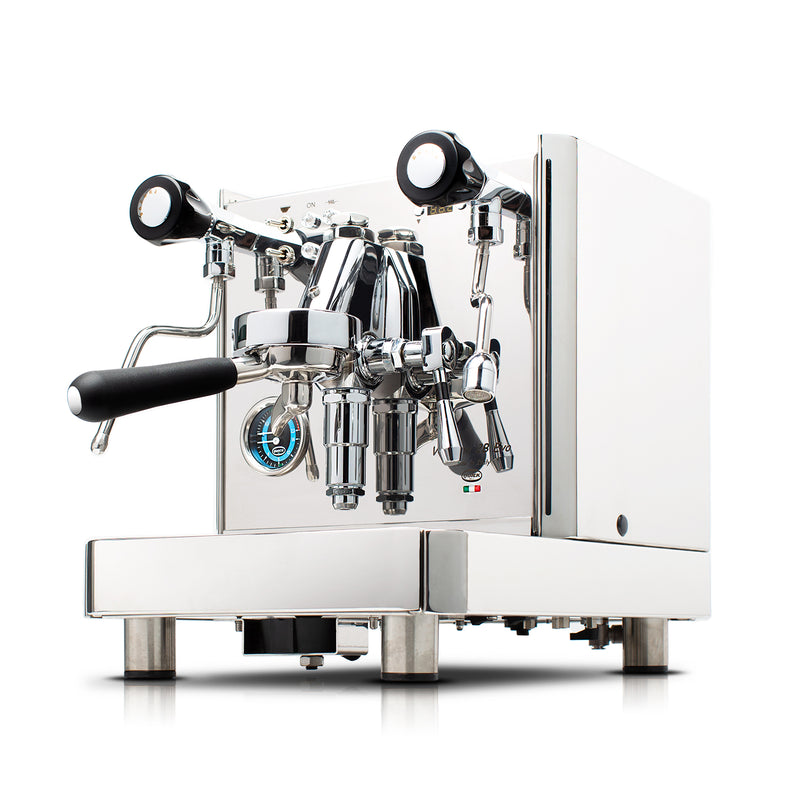
A family-run Italian workshop founded in 1945 and still building espresso machines by hand in Senago, just north of Milan. Quick Mill has spent decades bridging the home and professional worlds with E61 heat exchangers, dual boilers, and PID-controlled brew temperatures. In 2025 it was entered into Italy's registry of Historic Brands.
Rancilio
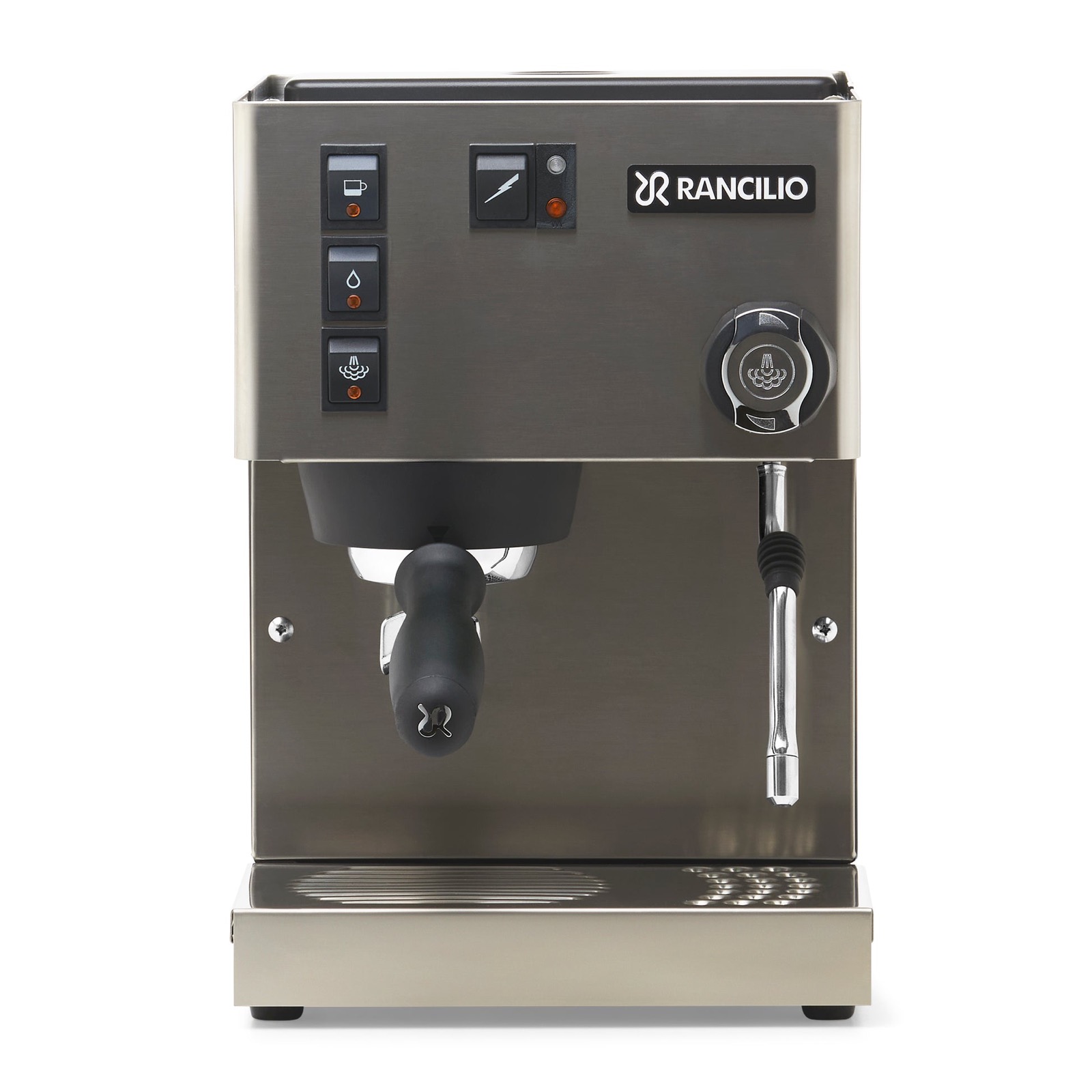
Rancilio has been building espresso machines in Parabiago, near Milan, since Roberto Rancilio founded the company in 1927. Its home icon, the Silvia, has run in near-continuous production since 1998 with a commercial 58mm portafilter, while the Classe line powers cafes worldwide.
ROK
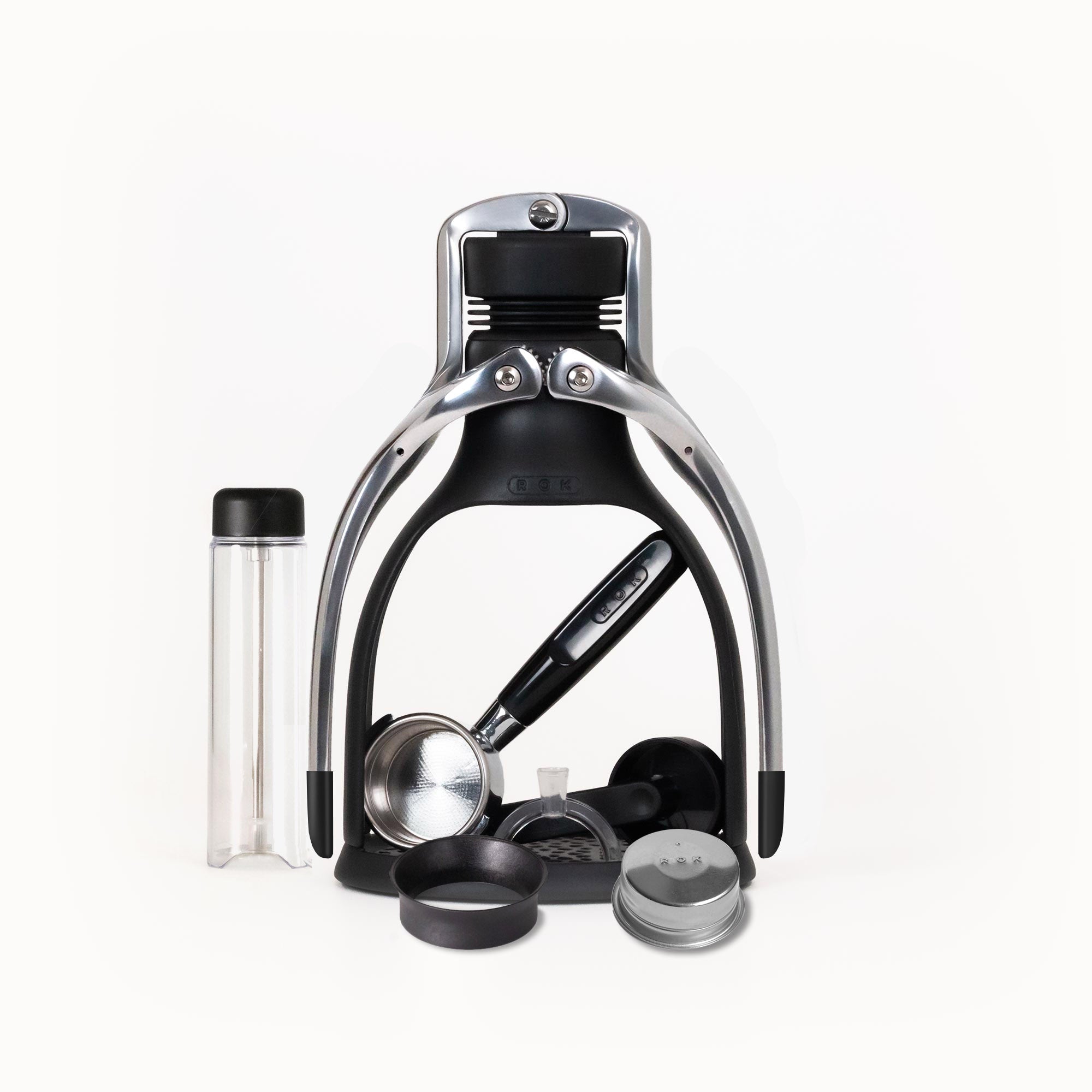
ROK builds hand-powered espresso gear that needs no electricity — you lift the lever arms to draw in hot water, then press down to generate the pressure for a real shot. It's a low-tech, travel-ready way to pull espresso with total manual control, paired with an all-metal hand grinder built to match.
Sanremo
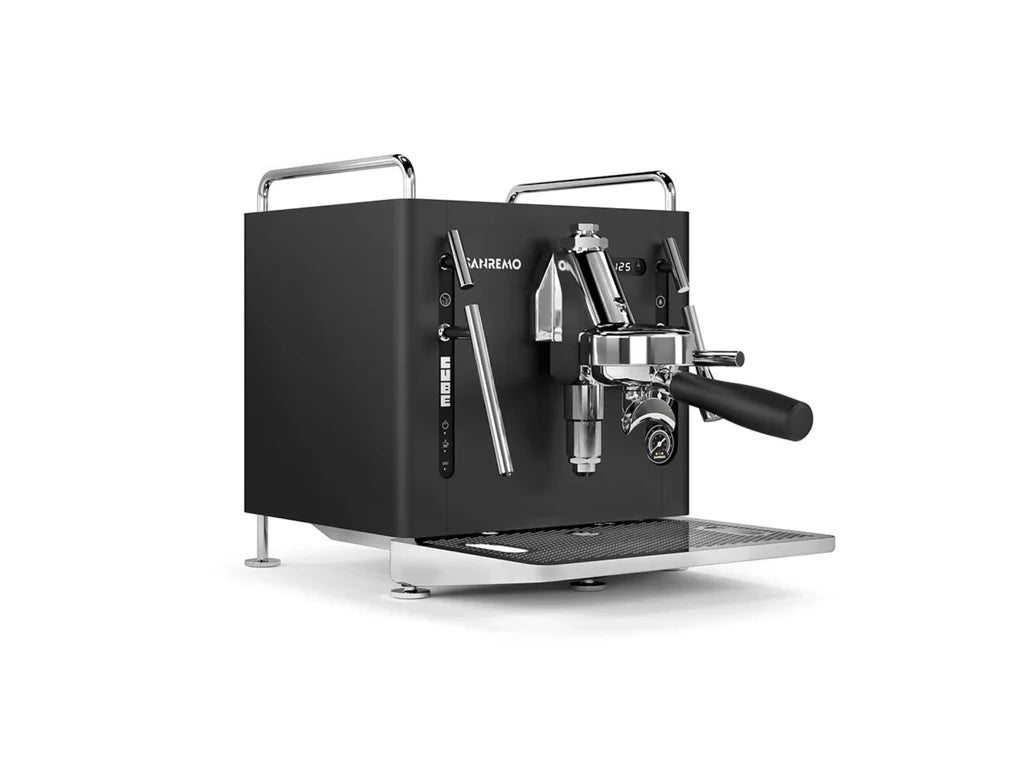
Sanremo is an Italian espresso machine manufacturer founded in 1980 in Treviso, in the Veneto region, where it still designs and builds its machines. The family-run workshop produces a full range spanning compact prosumer models for the home to multi-boiler commercial machines engineered for high-volume specialty cafes, pairing precise temperature and pressure-profiling technology with design-forward aesthetics.
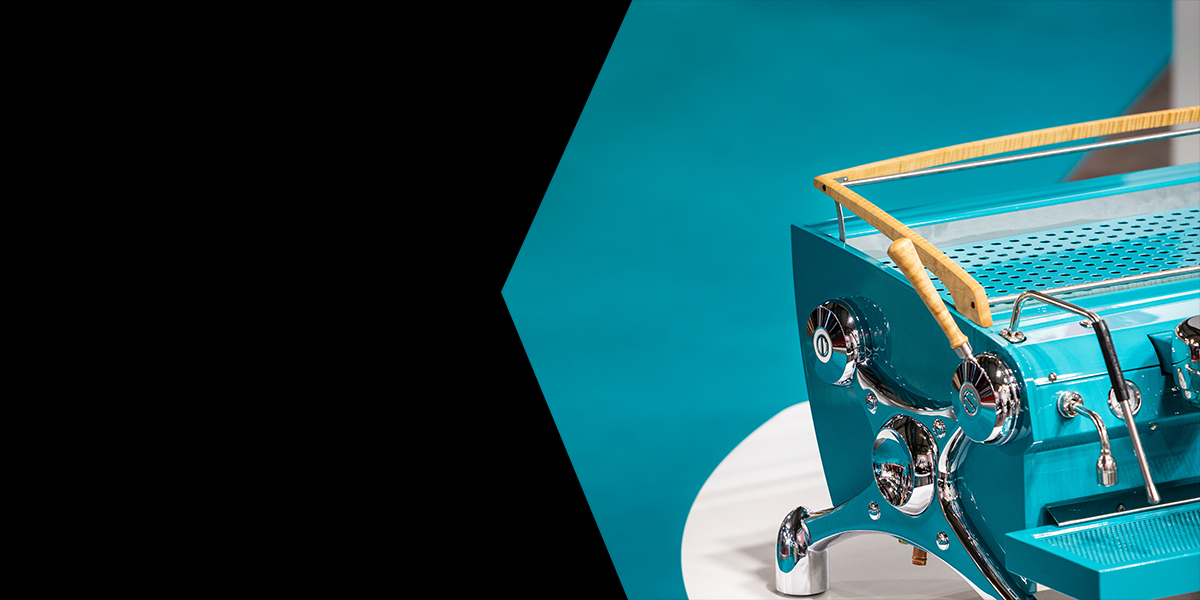
Slayer
Slayer Espresso is built near Seattle, Washington, where each machine is hand-assembled to order. The brand is best known for its patented needle-valve technology, which lets baristas manually control brew flow for a slow, programmable pre-brew and precise flavor profiling. Its machines pair independent per-group brew and steam tanks with PID temperature control for shot-to-shot consistency.
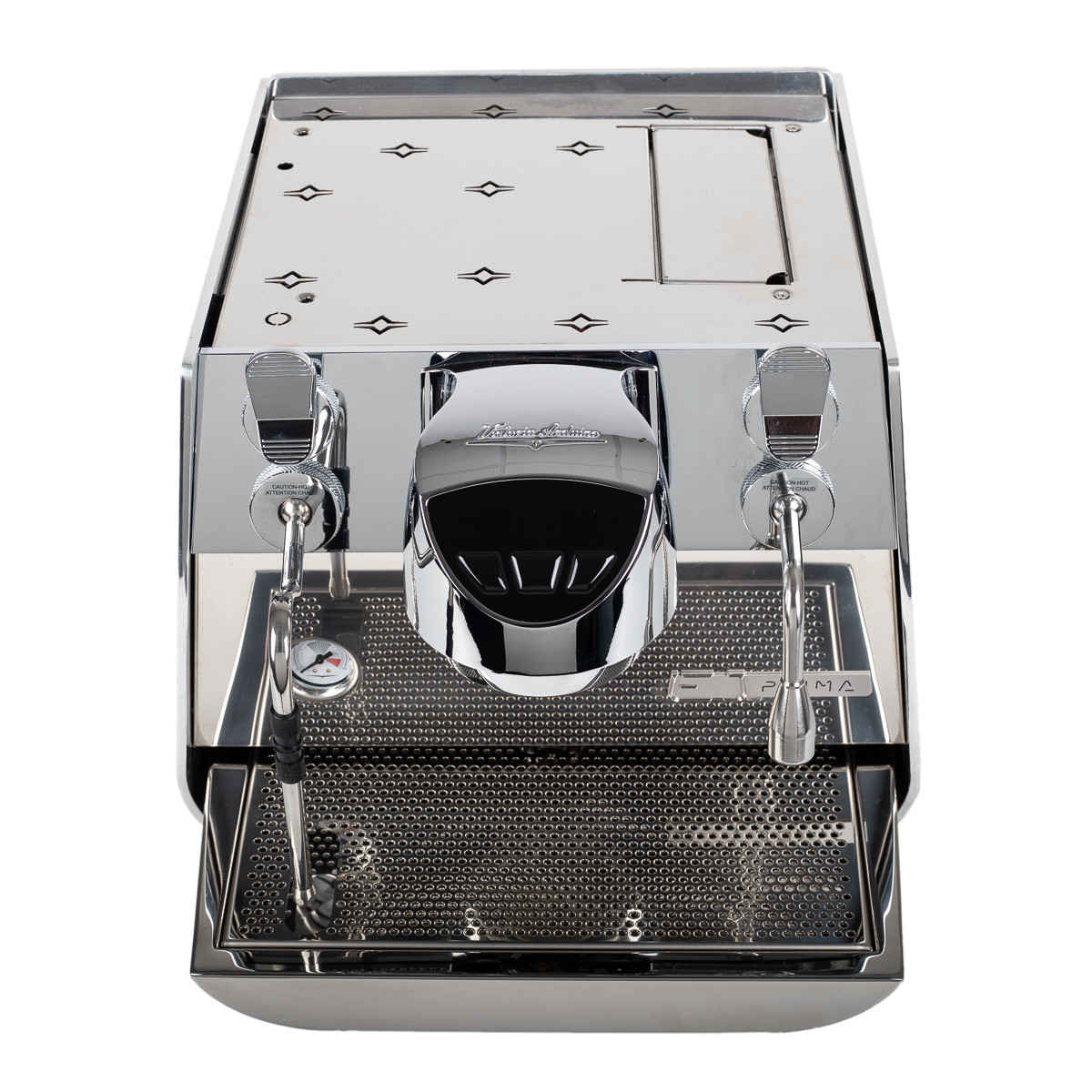
Victoria Arduino
Founded in 1905 in Turin, Victoria Arduino builds Italian espresso machines for competition and specialty cafes, engineered around energy recovery and temperature stability. Its Eagle line reclaims discharged heat to pre-warm incoming water, and its NEO group and T3 systems hold brew temperature shot to shot — now scaled down to a single-group, app-driven prosumer machine.
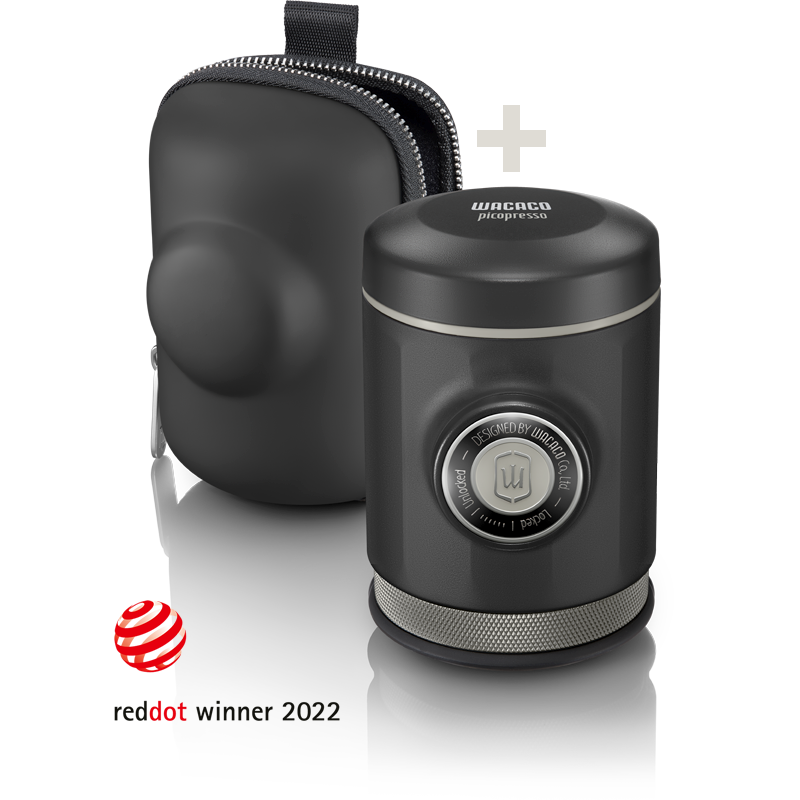
Wacaco
Wacaco builds hand-powered portable espresso makers that pull a real crema-topped shot with no electricity and no batteries — just a manual piston reaching up to 18 bar. Pocket-sized and travel-built, they turn ground coffee and hot water into genuine espresso anywhere, from a campsite to an airport lounge.
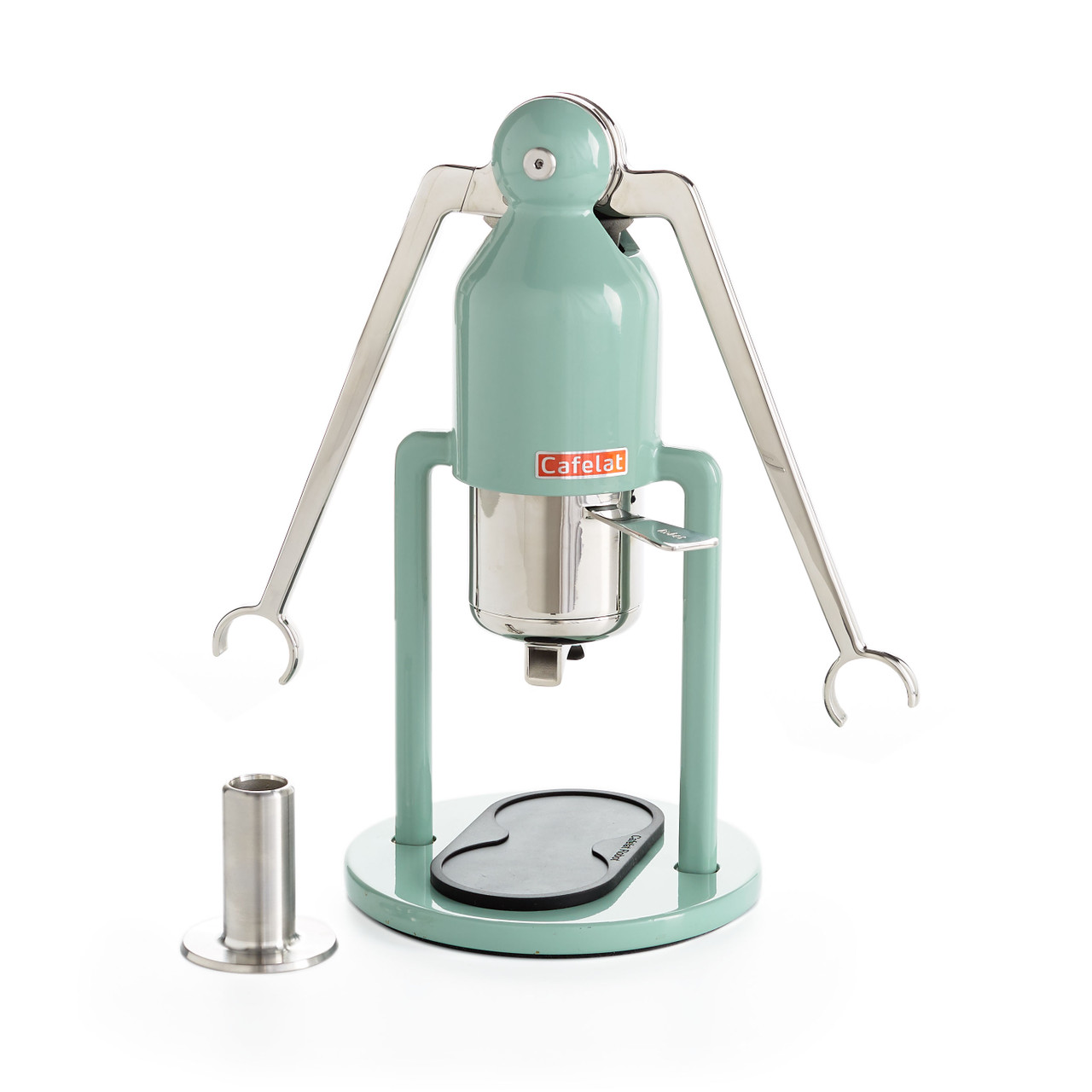
Cafelat Robot
Cafelat hand-builds the Robot, a plastic-free manual lever espresso maker that trades pumps and electronics for two arms you press by hand. You pull each shot yourself against 6-10 bars of pressure — the Barista version adds a gauge so the pressure is read, not guessed.
Izzo
Naples, 1979. Four decades of hand-built Italian machines — the Alex Duetto dual-boiler is a home-barista standard.
Sage
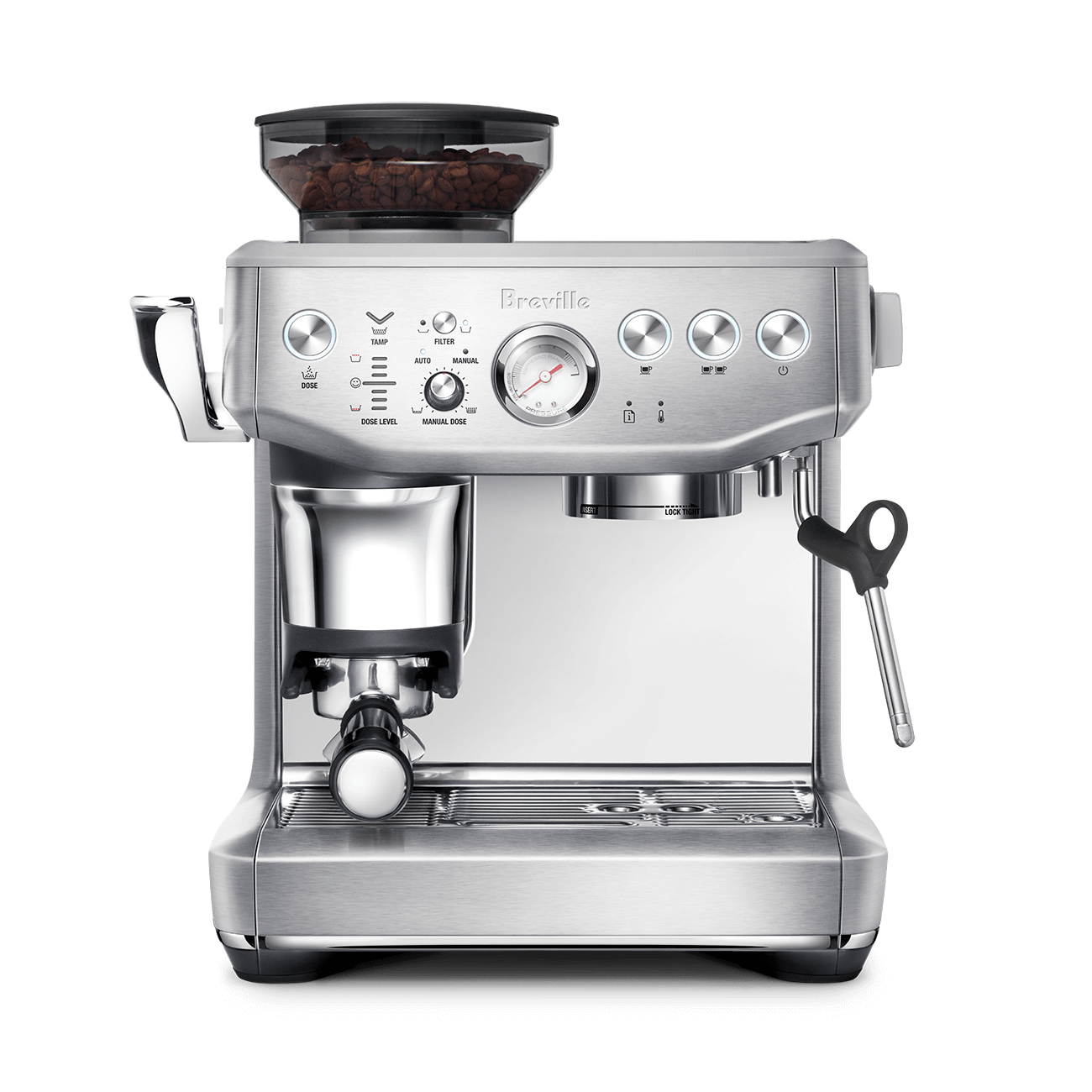
Sage is Breville's brand name in the UK, Europe, and Australia — the exact same machines, from the entry-level Bambino to the flagship Oracle, sold under the Sage badge. The lineup is built around integrated conical burr grinders, digital PID temperature control, and low-pressure pre-infusion, with guided models like the Barista Express Impress taking the guesswork out of dosing and tamping.
Synesso
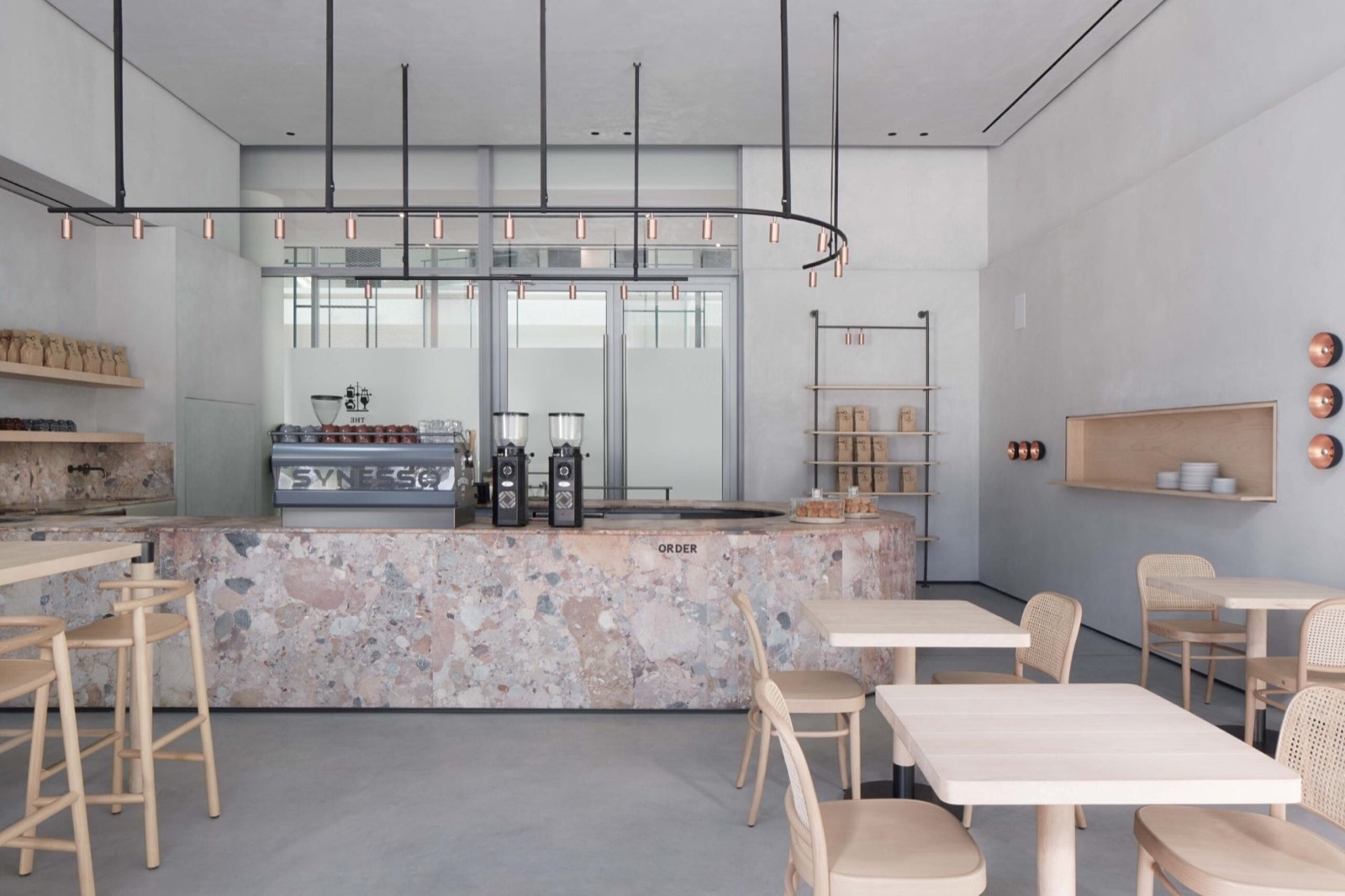
Synesso hand-builds commercial espresso machines in Seattle, Washington, and is renowned among specialty-coffee professionals for exceptional temperature stability and independent, group-by-group control. Its machines pair PID-controlled brew boilers with saved pressure-profiling recipes, giving baristas precise, repeatable extractions.
Vibiemme
Milan, 1976. Built one of the first compact E61 home machines — the Domobar line is still its signature.
9Barista
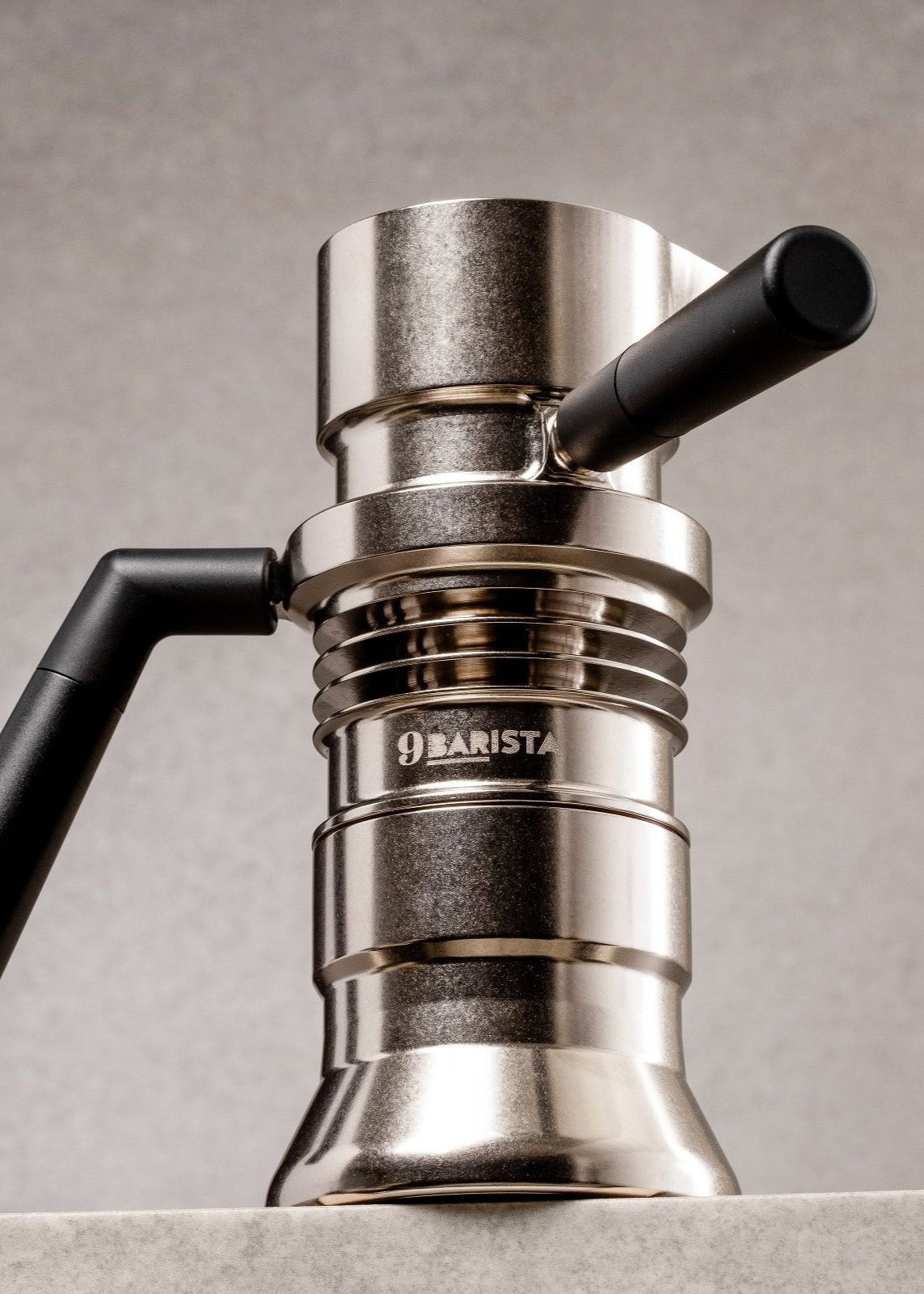
9Barista makes a stovetop espresso machine engineered by a former jet-engine designer, using a patented twin-boiler steam system to pull true 9-bar shots on any hob with zero electronics. It heats from cold in minutes and brews at 93°C and full pressure, delivering real crema where a moka pot never could.
Meraki
An all-in-one espresso system — dual boiler, commercial rotary pump, integrated grinder, and dual built-in scales that weigh the dose in and the shot out. Every cup starts and ends on a number.
Strietman
Hand-built lever machines from Eindhoven — CNC-milled brass, an open boiler, and nothing you don't need. Made to order.
ACS
Italian maker (A Coffee Shop) of the Minima and Vesuvius pressure-profiling machines.
Kees van der Westen
Dutch artisan machines — the Speedster and Spirit are handbuilt objects of desire.
La Cimbali
Italian heritage maker of high-volume cafe machines since 1912.
Londinium
Modern spring-lever machines that revive the classic lever pull for home and cafe.
Olympia Express
Swiss-built machines since 1928 — the Cremina lever is a lifetime heirloom.